
Since February 2020, American consumer prices have risen by 24.3%, according to data from the Bureau of Labor Statistics analyzed by Bankrate. Rent alone has increased by 28.9% during this period. Similar hikes have occurred in healthcare, motor vehicle insurance, and grocery costs. For retirees relying on a fixed Social Security income, these escalating expenses have made it increasingly difficult to manage their finances. Today, a $2,500 monthly budget often just covers basics in many U.S. markets without causing financial stress. Unfortunately, the Social Security Administration’s 2025 Cost-of-Living Adjustment did not fully match the actual increases in housing and other essential costs, such as healthcare.
What $2,500 Actually Buys in Europe
A monthly budget of $2,500 allows for a very comfortable lifestyle in the right European city. This includes a conveniently located apartment, regular restaurant dining, a gym membership, weekend trips, and robust healthcare coverage. The money that barely covers rent in Austin or Denver supports a complete lifestyle in cities like Lisbon, Budapest, or Valencia. Current cost-of-living indices and documented patterns across expat communities confirm that this financial shift is real, not just theoretical.
In 2024, the US dollar averaged 0.92 euros, rising to 0.96 euros by December 31. This steady strength helps dollar-earning individuals and retirees in eurozone countries enjoy greater purchasing power compared to 5 years ago. For a retiree earning $2,500 monthly, this exchange rate improvement results in about €120 additional per month compared to the same income in 2020. Several European countries have recognized this demographic shift and have implemented accessible residency programs designed specifically for American retirees and remote workers.
Five Regions, 10 Opportunities

This guide looks at 10 budget-friendly European cities, selected based on recent 2025 and 2026 data. The decision-making process focused on 4 main criteria: monthly living costs, residency rules for non-EU citizens, local tax policies, and the quality and access to healthcare. Each city offers a verified, real-world opportunity for expats, retirees, and remote workers aiming to establish a sustainable lifestyle abroad.
The 10 cities are located across 5 different regions of Europe: Portugal’s Atlantic coast, southern Spain’s Andalusia, Central Europe’s cultural hubs, the Balkans, and the Mediterranean. This geographic spread provides a variety of climates, tax environments, residency pathways, and lifestyle options, making it easier for everyone to find what suits their preferences and needs. Together, they support a chance at financial security and an exceptional quality of life, which are not mutually exclusive. You need to choose the right European city for your specific needs and financial profile.
Portugal’s Atlantic Pair: Lisbon and Porto
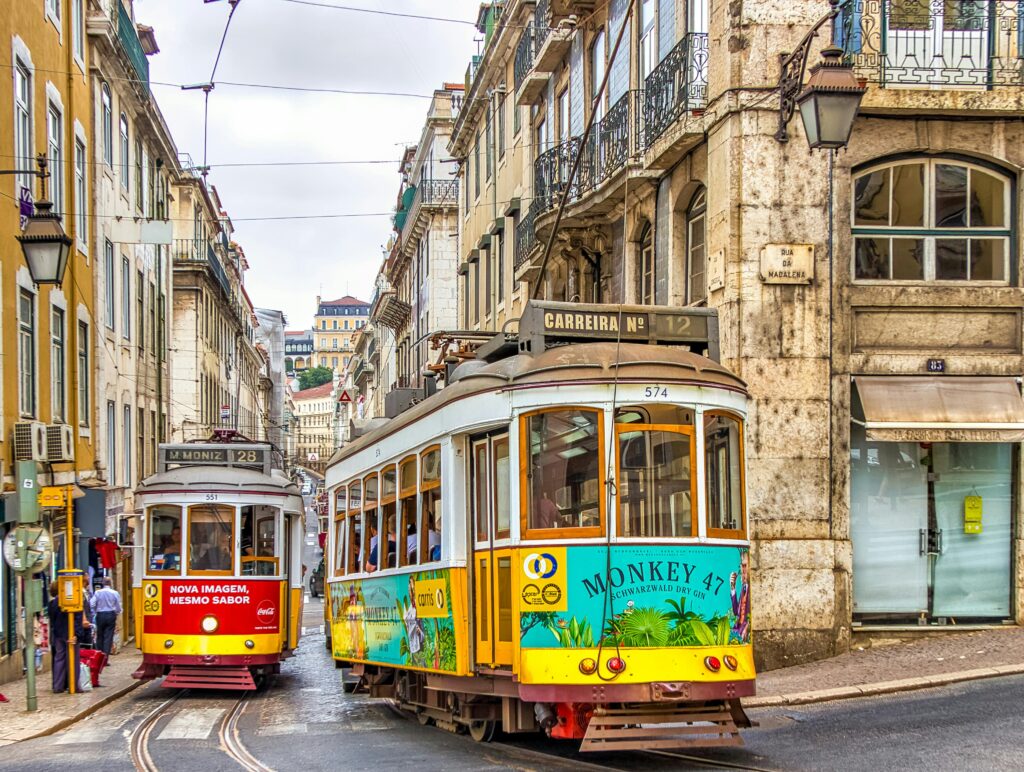
Lisbon ranks among Europe’s top destinations for expats. For a single individual, monthly costs excluding rent average around €740. Renting a one-bedroom apartment outside the main tourist zones typically costs about €1,075 per month. Overall, monthly expenses for a comfortable lifestyle range from €1,800 to €2,200. This can be covered with a monthly budget of approximately $2,500 with minimal adjustments. Lisbon offers legal stability within the EU, an efficient metro system, and neighborhoods conducive to walking and enjoying daily life.
Portugal’s D7 Passive Income Visa requires only €705 in documented monthly income for a single applicant. This is among the lowest income requirements for EU legal residency across Europe. Applicants must provide proof of accommodation and valid health insurance when applying. The application process is handled by Portuguese consulates in the applicant’s home country. After approval, applicants register for a residence permit with AIMA, Portugal’s immigration authority.
Healthcare Access Through the SNS
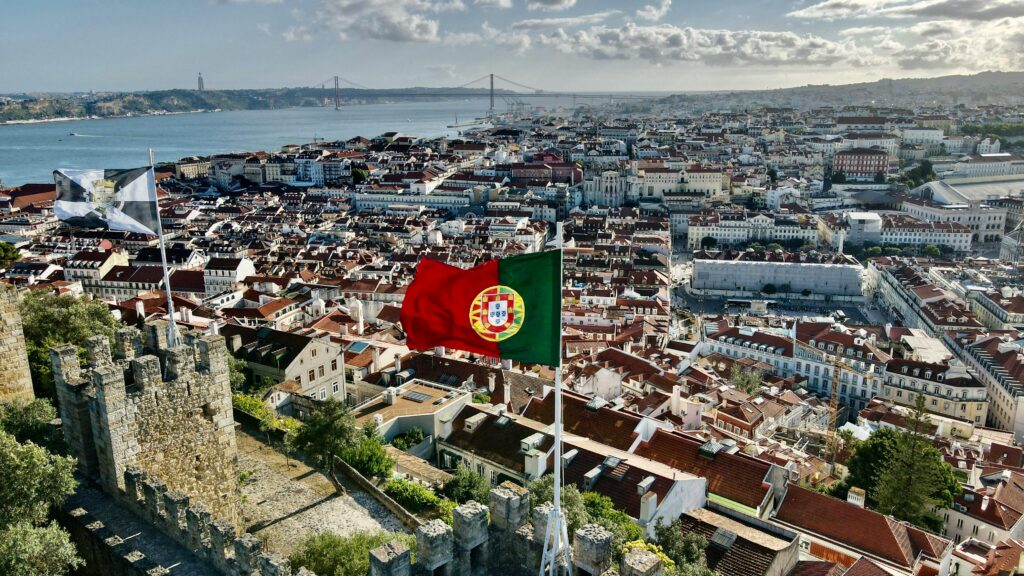
Once residency is confirmed, expats register with the Serviço Nacional de Saúde, Portugal’s national health system. Registration grants access to public hospitals, general practitioners, and subsidized prescriptions. Private healthcare operates alongside the public system and costs significantly less than comparable American coverage. Most expats combine public registration with targeted private care to gain faster access to specialists. This approach manages both cost and waiting times for the most common healthcare needs.
Porto offers the same legal residency options, Schengen access, and Atlantic climate as Lisbon, but at a lower monthly price. One-bedroom apartments outside the city center typically cost between €639 and €750 per month. Local lunch menus are usually €8-€12. The city’s compact size means there is no need for a car. Porto also has a well-developed infrastructure for expats, including coworking spaces and international schools tailored for foreign residents.
Porto’s Transport and Flight Connections
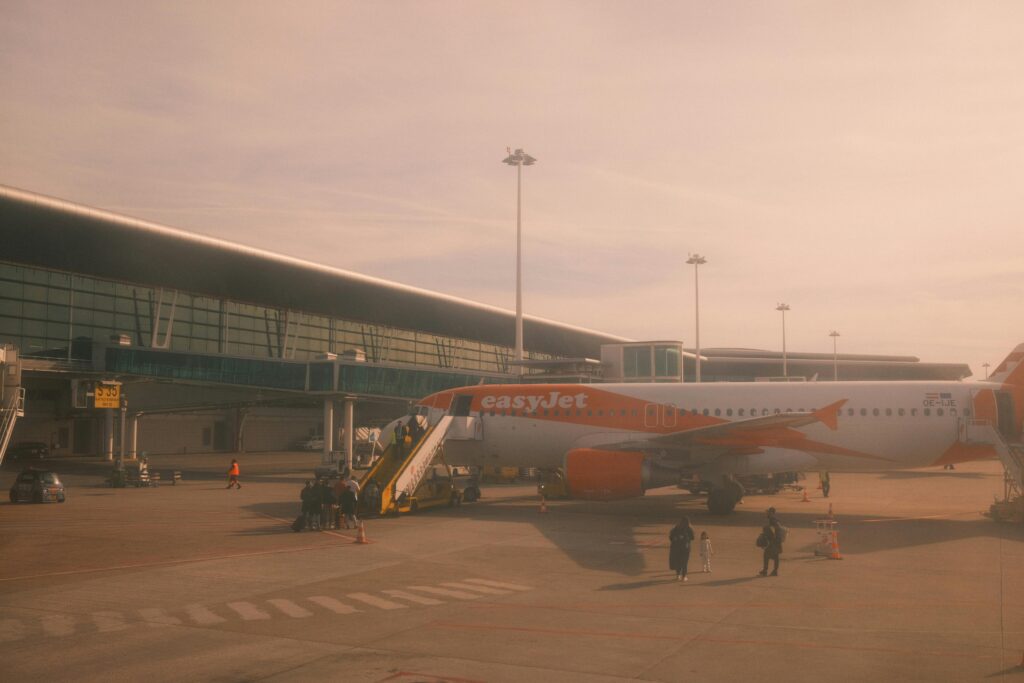
Francisco Sá Carneiro Airport offers direct, budget-friendly flights from Porto to London, Amsterdam, and Paris, with frequent departures for regular international travelers. A high-speed train connects Porto and Lisbon in about 3 hours, and both cities are integrated into Portugal’s extensive intercity rail and bus systems. These transportation options help prevent geographic isolation for expats, enabling them to maintain professional and personal connections across Europe.
Portugal’s D7 Visa allows individuals to become eligible for citizenship after five years of legal residence, granting access to a Portuguese passport and full EU citizenship. Both Lisbon and Porto are within Portugal’s Schengen Area, enabling established residents to travel freely across 27 European countries without border checks. No retirement destination in the Caribbean or Latin America offers such a long-term legal pathway. For first-time European movers, this significant long-term benefit greatly enhances the overall financial appeal.
Sunshine and Seasonal Livability

Lisbon receives about 2,800 hours of sunshine annually, while Porto gets around 2,400 hours. Both cities experience mild Atlantic winters, allowing outdoor activities year-round. The Algarve coast, Alentejo wine region, and Portugal’s northern mountains are all reachable within a few hours by train or car. Residents enjoy the benefits of a geographically diverse country as part of their everyday life environment.
Spain’s Sun Belt: Valencia and Seville

Valencia is Spain’s third-largest city and one of the most affordable cities in Southern Europe, with direct access to the coast. Monthly living expenses for a single individual, including a centrally located apartment, generally range from €1,200 to €1,500. This makes Valencia considerably more affordable compared to Barcelona and Madrid. It retains full access to Spain’s infrastructure, public services, and national health system. The Mediterranean beach sits within cycling distance of the city center.
Spain’s non-working resident visa, known as the Visado de Residencia No Lucrativa, requires applicants to demonstrate financial self-sufficiency for their first year. It is mandatory to have valid private health insurance from an insurer authorized in Spain. After residing in Spain for 12 months, expats can apply to join the public health system via the Convenio Especial, which involves making monthly payments. These payments are higher for residents aged 65 and older. The application process is well-established and commonly completed by foreign retirees.
Valencia has a practical metro and tram system tailored for daily commuting. The city is known as the birthplace of paella and has a food culture centered on local markets, neighborhood restaurants, and regional wines. Dining out is a common, budget-friendly activity rather than a special occasion. Public parks, cycling paths, and beach access are integral to everyday life. Valencia primarily serves as a residential city rather than a tourist destination.
Seville’s Monthly Spending
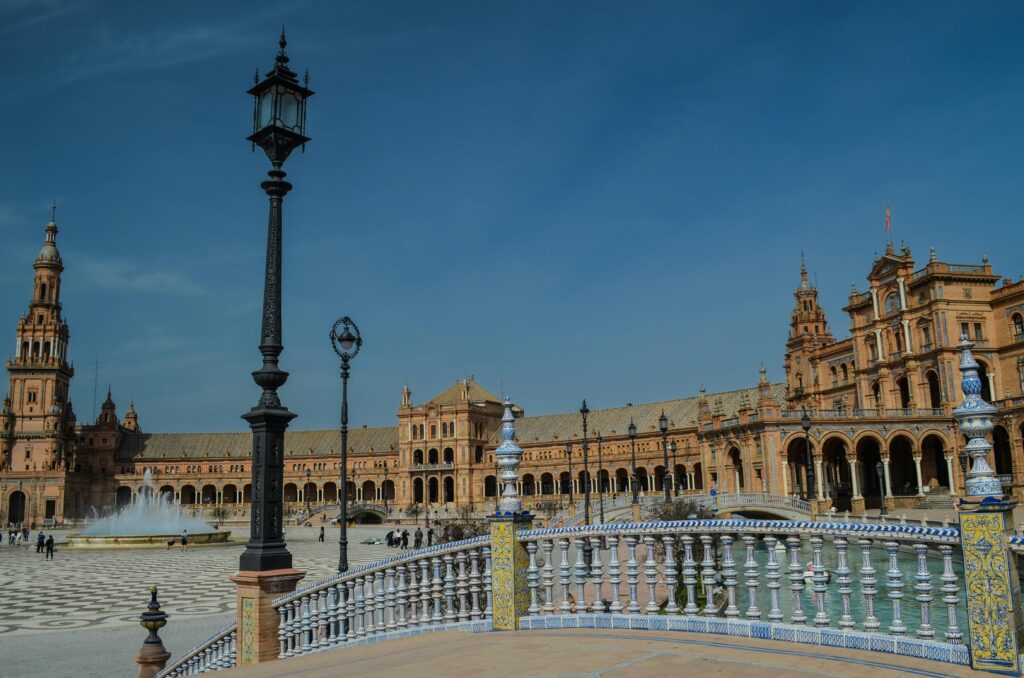
Seville carries the full cultural weight of Andalusia at a price its monthly data directly supports. An individual living in a one-bedroom apartment outside the city center, with regular groceries and local dining, usually spends between €900 and €1,100 per month. Few cities in Western Europe with comparable cultural and historical standing are available at this monthly cost. This makes Seville one of the strongest value cases among affordable European cities in Southern Europe.
In Seville, tapas culture is an integral part of the local food economy rather than a tourist lure. A complete meal with wine at a neighborhood bar typically costs between €10 and €12. This significantly reduces residents’ monthly food and entertainment expenses when they adopt local dining customs. Daily life is characterized by flamenco venues, local markets, and Moorish architecture, which are not tourist attractions but essential elements of everyday life.
Andalusia’s Climate and Day-Trip Geography
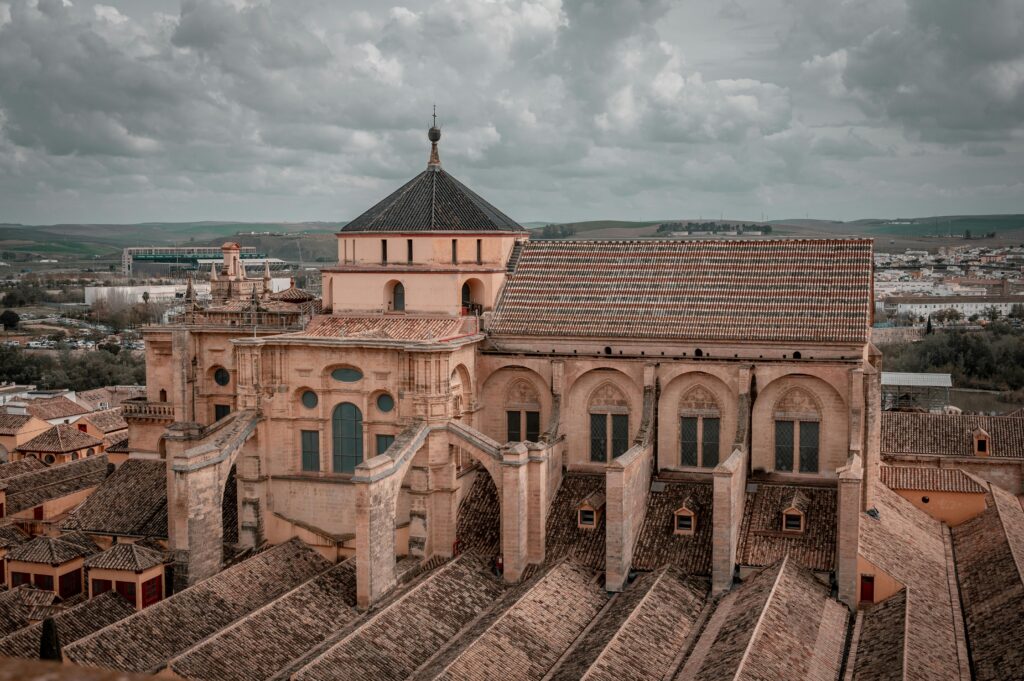
Andalusia experiences some of the highest annual sunshine totals in mainland Europe. Winters are mild and seldom interfere with outdoor activities. Seville’s strategic location offers residents convenient day-trip options to Córdoba and Granada by train. Both cities are recognized for their architectural significance and rank among the continent’s most notable. This proximity enriches cultural experiences without the need to move. As a result, outdoor living is typical for most months of the year.
Both Valencia and Seville are part of Spain’s Schengen Zone, allowing residents to travel freely across 27 European countries. Budget flights from these airports frequently serve major European destinations. The AVE high-speed train links Seville to Madrid in about 2.5 hours. Additionally, Spain’s Mediterranean location makes North Africa easily accessible for short trips. This geographic connectivity significantly extends the practical reach of Spanish residency beyond the country’s borders.
Central Europe’s Hidden Deals: Budapest and Krakow
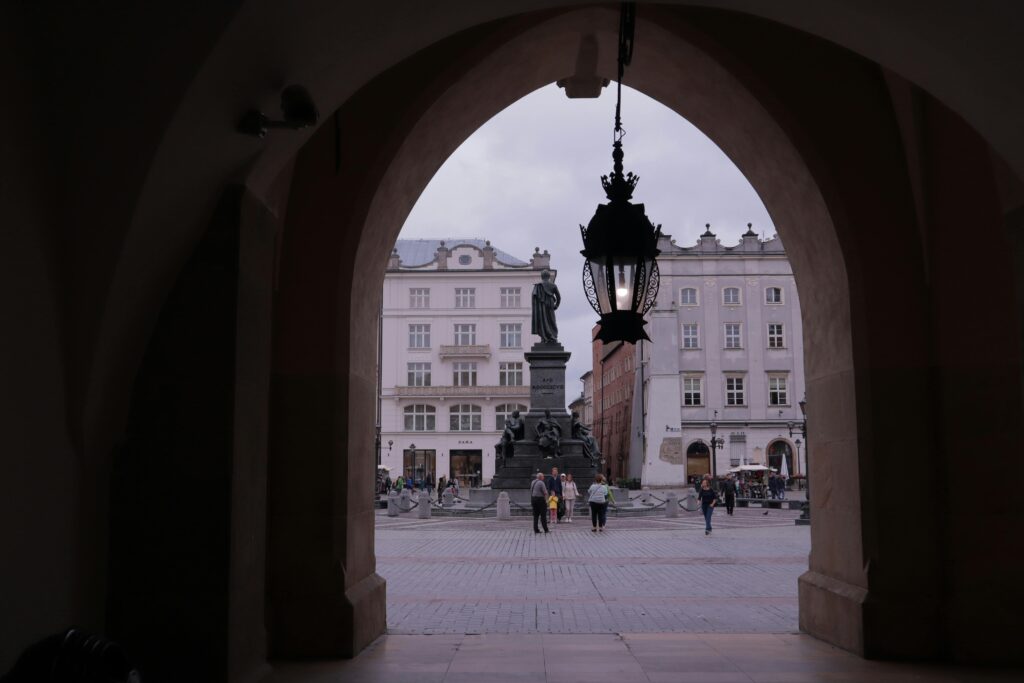
Budapest hosts one of Central Europe’s largest expat communities. One-bedroom apartments downtown cost between €500 and €700 monthly. A single individual usually spends between €850 and €1,000 to cover all expenses, including rent, groceries, dining, transport, and entertainment. Dollar- and euro-earners often find that their purchasing power exceeds local prices. The financial appeal for expats moving to Budapest is straightforward and backed by current data.
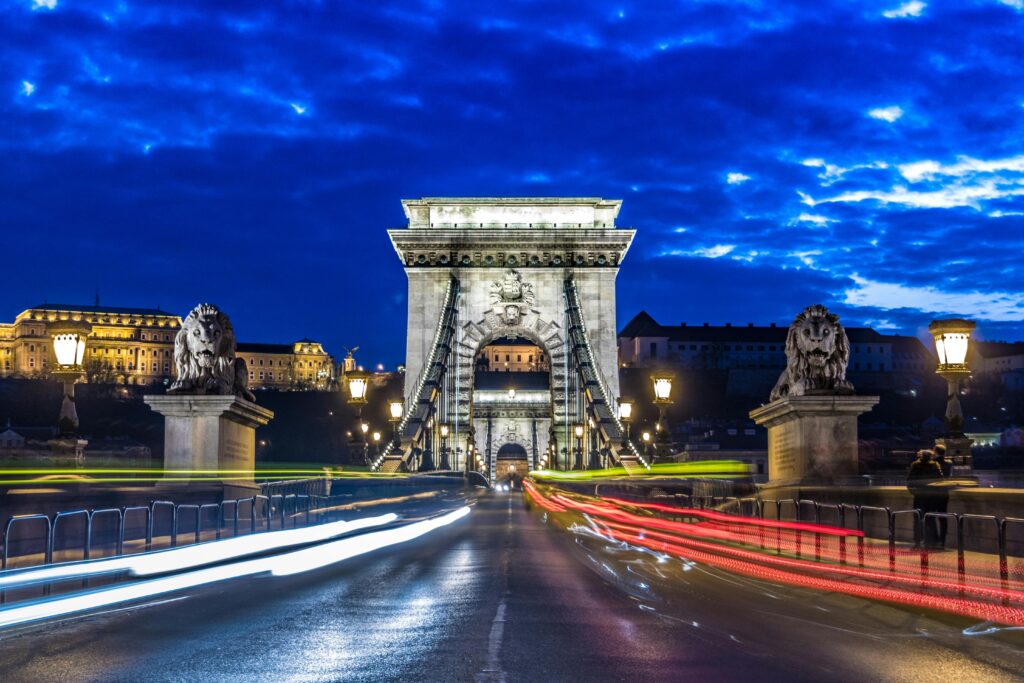
Budapest’s thermal baths, chain-bridge riverfront, and fin-de-siècle café architecture shape a vibrant daily environment that goes beyond cost management. The city’s classical music scene is comparable to Vienna’s in both scope and excellence. A sizable student body supports a steady stream of cultural events, international cuisine, and lively nightlife. Co-working spaces have expanded significantly in response to a rising remote workforce. Fast, dependable internet is accessible throughout most residential areas of the city.
Budapest’s Time Zone and Remote Work
Budapest’s Central European Time Zone enables effective collaboration with clients in Europe and on the US East Coast simultaneously. This makes it an ideal residence for remote workers who serve clients in different time zones. Budapest Ferenc Liszt International Airport offers regular flights to London, Amsterdam, Paris, and Rome. Most major European destinations are accessible year-round through budget airlines. For expats with internationally mobile careers, geographic isolation is not a concern in Budapest.
Krakow, being outside the eurozone, means that income earned in dollars or euros stretches further than in other EU countries with comparable prices. A one-bedroom apartment in the city center typically costs about €799 per month, while rents outside the city are usually lower. Total monthly expenses for an individual generally range from €800 to €900. Additionally, Poland’s private healthcare sector offers specialist consultations at significantly lower costs than in Western Europe.
Kraków’s Medieval Old Town
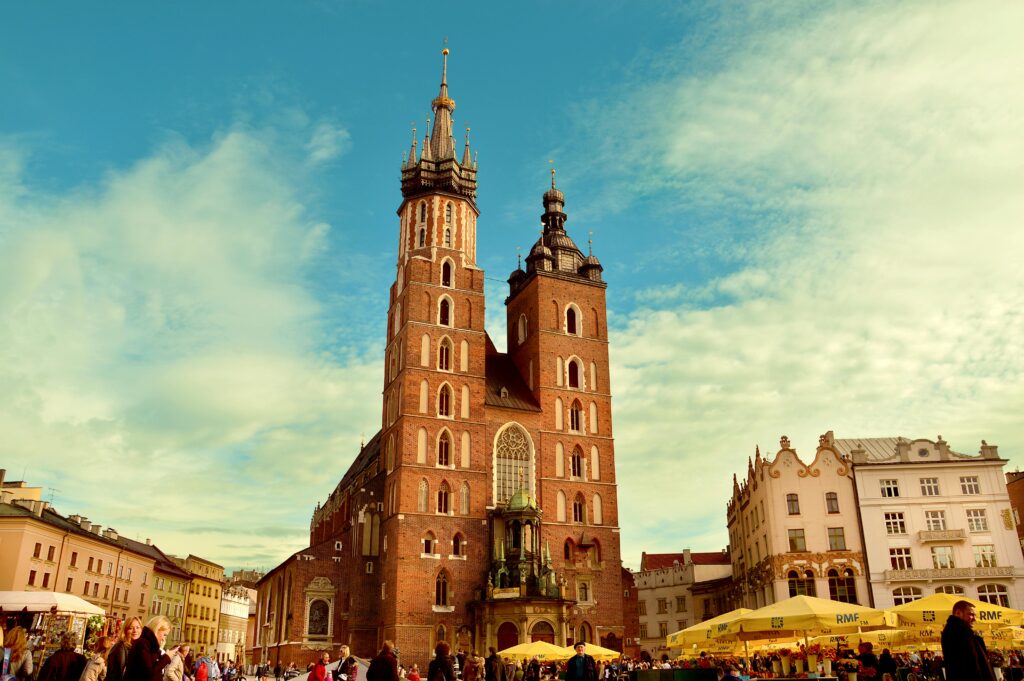
Kraków’s UNESCO-recognized medieval Old Town is one of Europe’s most heritage-rich urban areas. The city’s Rynek Główny ranks among the largest medieval market squares on the continent. A vibrant student community supports a continuous stream of music, theatre, and cultural events throughout the year. These experiences tend to be more expensive in Prague or Vienna. Kraków offers a similar level of cultural richness at a lower overall cost across nearly all common expense categories for expat residents.
Neither Budapest nor Krakow requires proficiency in the local language for everyday life. In both cities, English is broadly used in service, hospitality, and business sectors. Poland’s private healthcare system offers affordable specialist treatments at prices much lower than those in Western Europe. Similarly, Hungary’s private hospitals provide comparable quality at similar costs. Both cities have established international school networks and English-speaking legal and financial services, greatly easing the challenges of relocating to Europe for first-timers.
Mountain Access and Financial Headroom
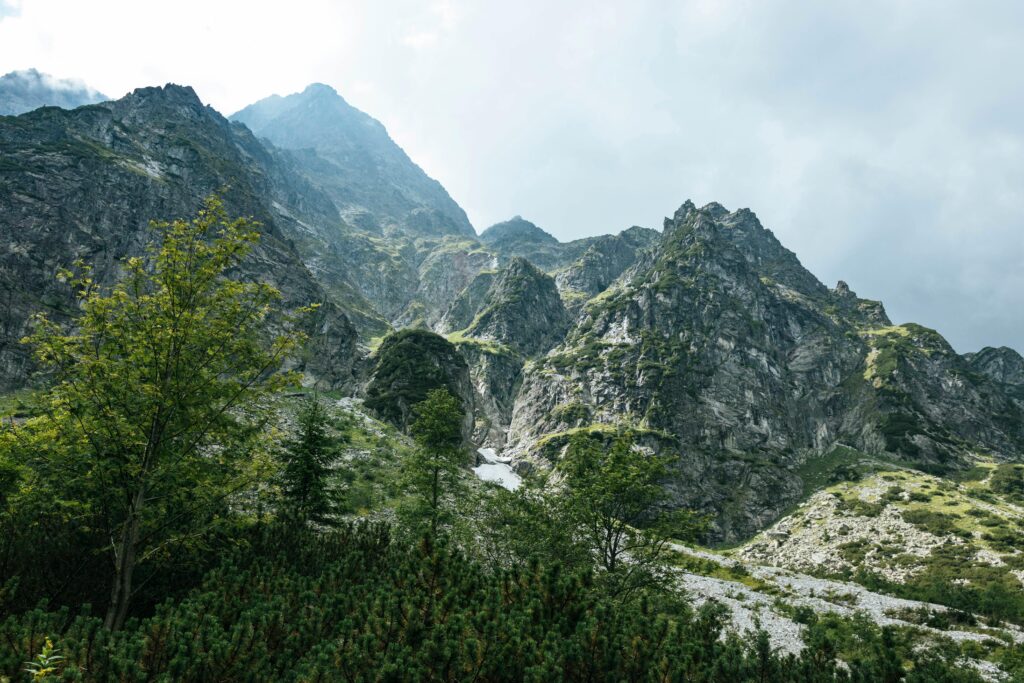
Both cities are close to mountain ranges that serve as natural extensions for weekend getaways from urban life. Kraków is near the Tatra Mountains, enabling skiing and hiking just a short drive away. Budapest provides easy access to the stunning Carpathian Mountains in the north. These outdoor amenities offer a delightful, seasonal bonus that is often missing from more budget-conscious cities in Southern Europe. With a monthly budget of $2,500, both cities maintain sufficient financial flexibility for regular travel and related activities savings.
Balkan Value Without Compromise: Sofia and Bucharest
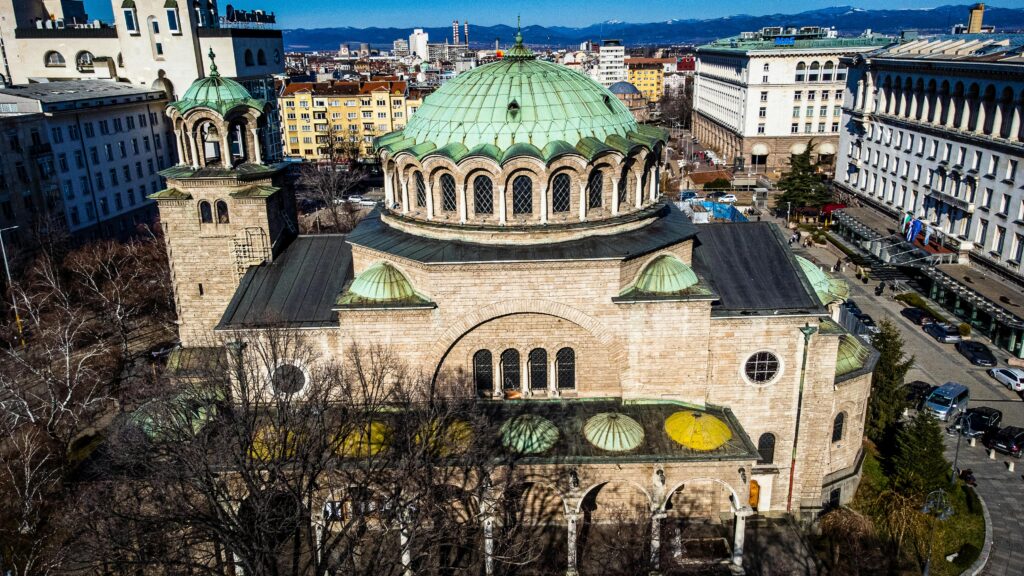
Bulgaria became an EU member in 2007, and Sofia benefits from Schengen Zone access, EU legal protections, and a comprehensive expat infrastructure. The city’s cost of living index is 40.8, compared to Huntsville, Alabama, the most affordable large US metro area, at 58. Sofia is significantly more budget-friendly than the cheapest American city. Luxury one-bedroom apartments in prime neighborhoods like Lozenets and Doctor’s Garden rent for €700 to €900 per month.
In Sofia, restaurant meals typically cost around €9-€10 per person. A gym membership costs about €34 per month. Taxis are affordable enough for daily use without significantly impacting your budget. Bulgaria has a flat 10% tax on worldwide income for tax residents, including capital gains, which is among the lowest in the EU. Private healthcare providers such as Tokuda Hospital and City Clinic serve both local residents and medical tourists from Western Europe.
Sofia’s Outdoor Reach
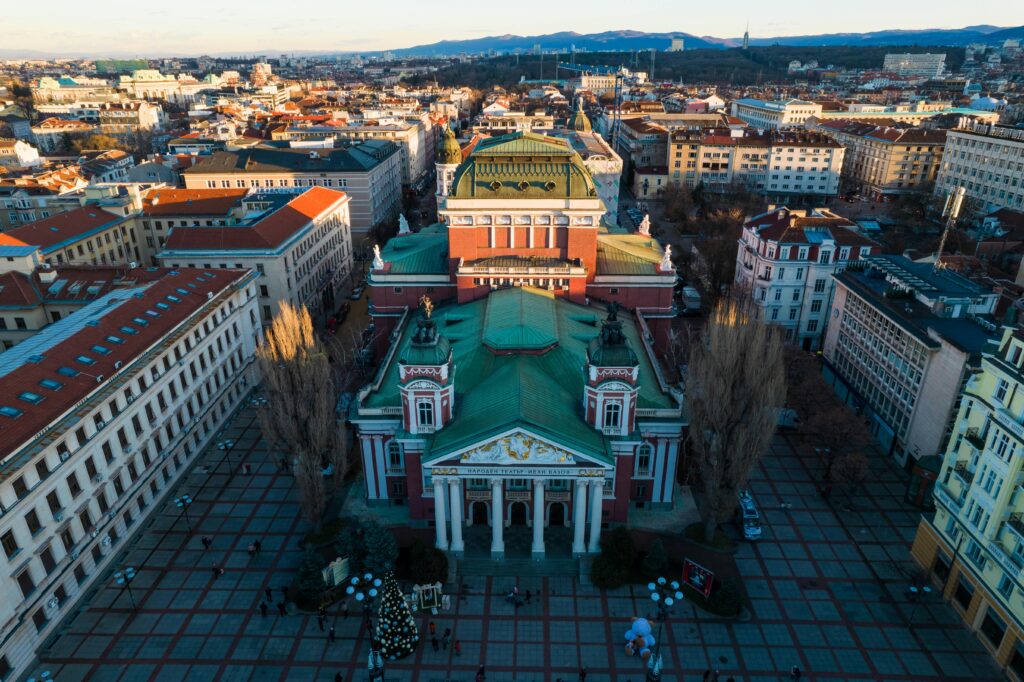
Sofia receives around 2,000 hours of sunshine annually. Vitosha National Park borders the city directly and can be reached without a car. The Bansko ski resort is accessible by road for regular weekend visits. These outdoor attractions support a four-season lifestyle that few other Balkan capitals with similar budgets can match. Spring and summer are mild and enjoyable, while winters are cold but manageable. The combination of EU access and close proximity to mountains ensures a vibrant year-round outdoor experience.
Bucharest’s Infrastructure and One Clear Drawback
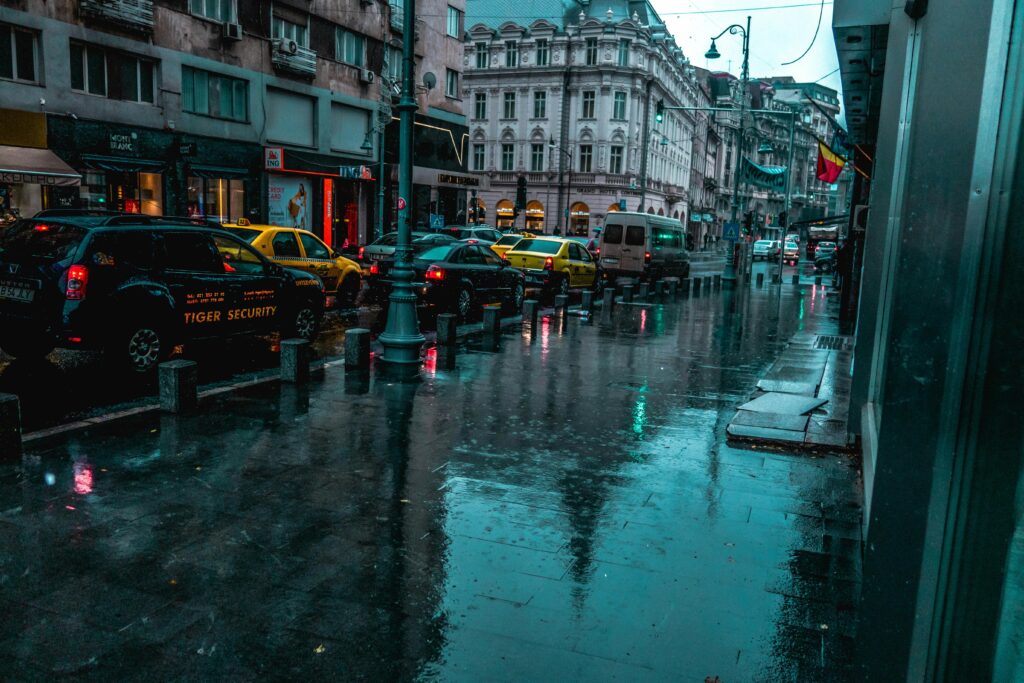
Bucharest has a well-known problem: traffic on its older road network is quite problematic. Residents living near the metro system avoid much of this congestion. They experience a city with a cost of living index of 42.2, and apartments priced under €800 are available in most neighborhoods. Romania’s Human Development Index has risen significantly over the past decade, now standing at 0.845. This improvement highlights ongoing advancements in the country’s infrastructure investment.
Bucharest’s Private Healthcare Sector

Romania’s private healthcare sector has developed enough to draw international medical tourists. Leading providers such as Regina Maria and MedLife offer accessible and affordable care across many specialties. While public healthcare is available, its quality varies by facility. Private healthcare in Bucharest is much more affordable than similar services in Western Europe. Most expats with a $2,500 monthly budget regularly use private healthcare services. The quality of care is consistent and well-regarded throughout the region.
Romania’s Internet Infrastructure
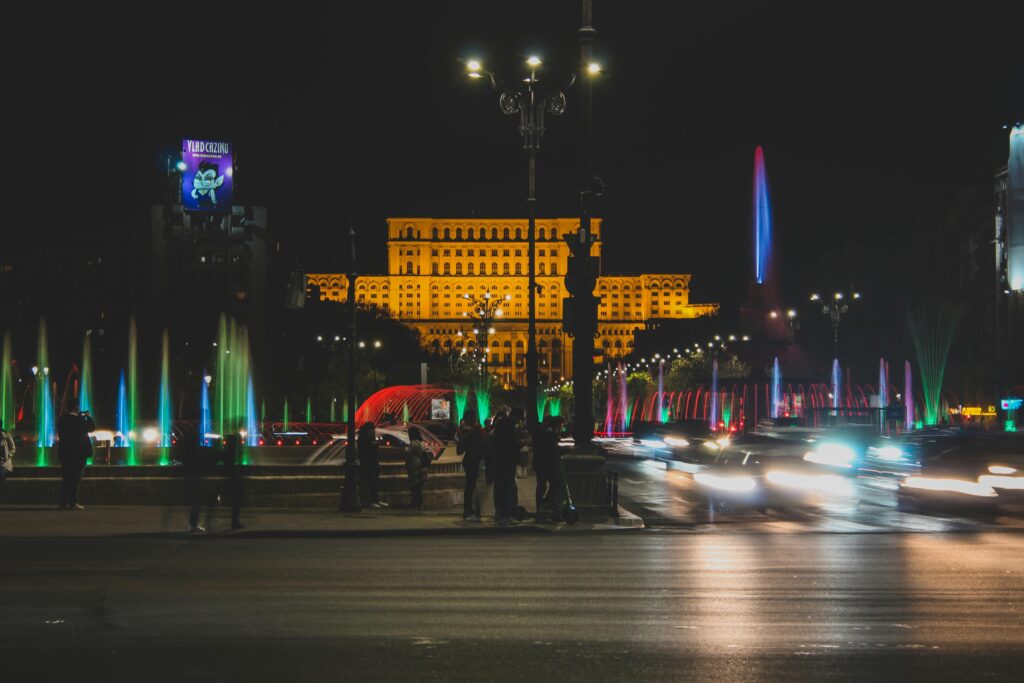
Romania regularly ranks among Europe’s top countries for internet speed and reliability. For remote workers and digital professionals, this offers a significant productivity benefit rather than just a minor advantage. The coworking infrastructure in Bucharest has expanded as the remote workforce has increased. Romania’s high-speed broadband surpasses many Western European cities, where internet speeds can differ greatly by area. This robust infrastructure distinguishes Bucharest from similar low-cost locations, where connectivity issues can impact work or daily life.
Tax Structure for Passive Income Earners

Both Sofia and Bucharest offer favorable tax treatment for passive income earners. Bulgaria applies a flat 10% rate to all capital gains and income. Romania goes further on dividends: capital gains are taxed at 10%, while dividends are taxed at just 8%. Both cities operate within the EU’s legal and regulatory framework. For expats seeking to combine EU legal security with low passive income taxation, this Balkan corridor offers the strongest documented value within the EU.
The Mediterranean Wild Cards: Nicosia and Podgorica

Cyprus boasts the highest Human Development Index among the countries reviewed in this guide, with a score of 0.913. Nicosia, its capital, offers reliable infrastructure, stable public services, and extensive access to hospitals via the national healthcare system, complemented by numerous private hospitals and clinics. However, Nicosia is also the most expensive city on this list, with a single person’s average monthly expenses, excluding rent, totaling about $1,302. Notably, its tax system merits a dedicated review.
Under Cyprus’s Non-Domicile status, capital gains from shares and bonds are completely tax-free, with dividends fully exempt and interest income carrying no tax. To qualify, one must reside in Cyprus for at least 183 days annually, though a 60-day rule exists under certain extended conditions. For passive income earners, no other EU country offers such a high level of tax exemption on investment returns. Cyprus continues to uphold this framework as a key part of its strategy to attract foreign residents.
Nicosia’s Climate Advantage
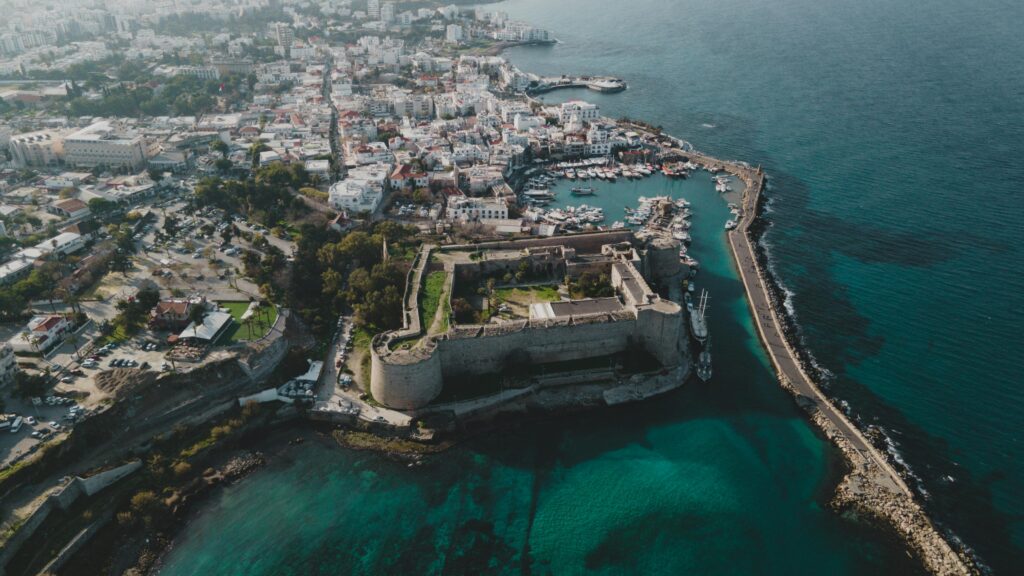
Cyprus enjoys over 3,300 hours of sunshine annually, with average January daytime temperatures around 15°C. The coldest months still support outdoor activities comfortably. Summers are lengthy and hot, often requiring air conditioning. Nicosia, located inland, tends to be warmer than the coastal towns during peak summer. The consistent warmth lasts longer than in any other EU capital covered here. For those who value outdoor living year-round within the EU, the climate is a true advantage.
Montenegro is leading among EU candidate countries, with Podgorica mirroring this progress. Although not an EU member, Montenegro uses the Euro. Its Human Development Index is 0.862, the second highest in this comparison. Modern apartments in Podgorica rent for less than €700 monthly, leaving over half of a $2,500 budget for utilities, food, travel, private healthcare, and leisure.
Read More: Top National Parks to Visit by State
Podgorica’s Climate and Adriatic Access
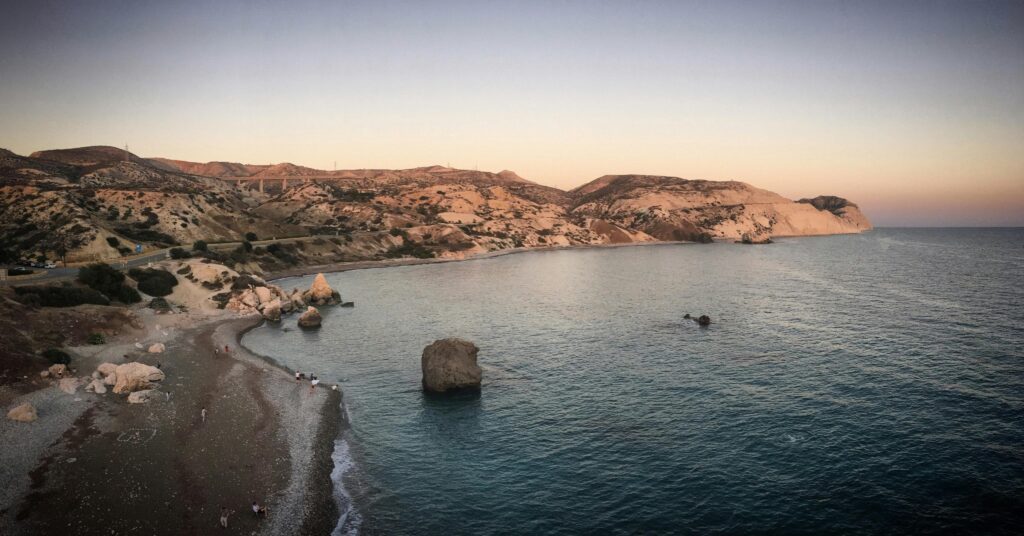
Podgorica has a predominantly Mediterranean climate. In January, the high temperatures usually stay around 10°C, and snowfall in the city center is quite uncommon. The city enjoys nearly 2,500 hours of sunshine annually, making it ideal for outdoor activities. The picturesque Adriatic coast is just a short drive away, allowing residents to enjoy a beach trip that feels more like a regular outing than a costly holiday. Summers can be very hot, with temperatures climbing up to 40°C in July. For locals, a trip to the coast is a simple and pleasant way to escape during the summer months.
Montenegro applies a 15% capital gains tax. On a $30,000 annual income, this amounts to approximately $375 per month in tax obligations. This is higher than Nicosia’s zero-tax structure. However, it remains lower than most Western European tax environments. Montenegro uses the euro, which removes currency risk despite its non-EU status. For expats prioritizing lower monthly costs over strict tax minimization, Podgorica offers a more financially relaxed daily environment. The city matches Nicosia in livability at a lower monthly cost.
Choosing Between the Two
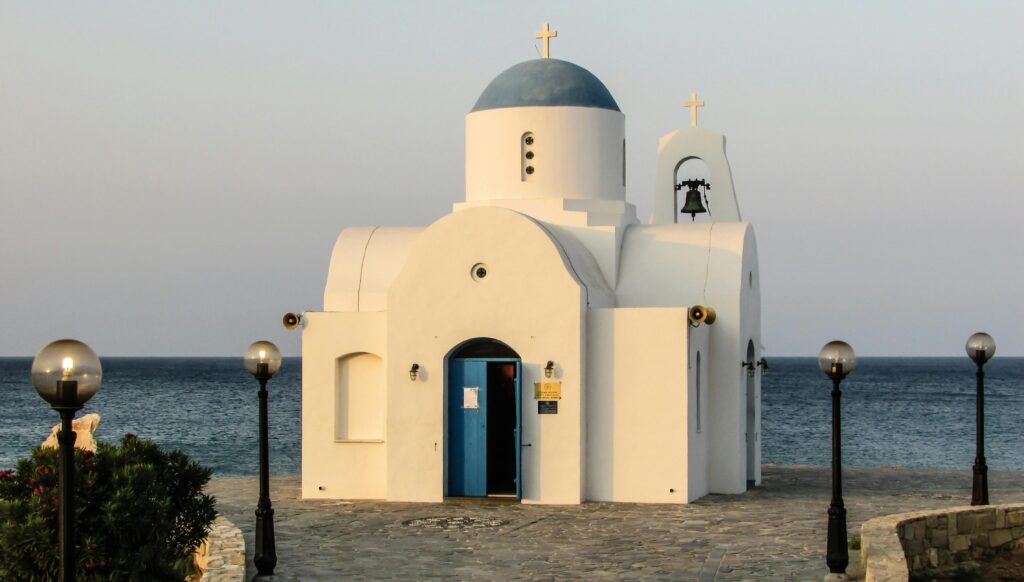
Nicosia and Podgorica serve distinctly different financial profiles. Nicosia costs more monthly but delivers legally structured, indefinite zero taxation on investment income within a full EU framework. Podgorica costs less daily and offers a smaller, more manageable city scale for residents who prefer lower urban density. The decision reduces to one core factor: whether Nicosia’s tax advantage justifies the higher monthly cost. For passive income earners above $25,000 annually, the mathematics consistently favor Cyprus.
Read More: Orlando Among Top 10 Least Affordable Cities for Rent in the U.S.
Trending Products

Red Light Therapy for Body, 660nm 8...

M PAIN MANAGEMENT TECHNOLOGIES Red ...

Red Light Therapy for Body, Infrare...

Red Light Therapy Infrared Light Th...

Handheld Red Light Therapy with Sta...

Red Light Therapy Lamp 10-in-1 with...

Red Light Therapy for Face and Body...

Red Light Therapy Belt for Body, In...

Red Light Therapy for Shoulder Pain...
