Deciding to stop dyeing your hair and letting your grey hair grow out can look simple from the outside. For many people, though, it is anything but small. Psychologists often see this choice as part of a deeper emotional shift. It connects to how someone views aging and freedom from outside expectations. In a world that constantly celebrates youth, natural silver strands are often framed as something to fix. People are told they look tired, older, or less polished once their natural hair color shows. Yet more individuals are choosing to step away from that idea and allow their natural tone to exist as it is. This decision is rarely just about appearance. It can reflect confidence, emotional maturity, and a growing sense of inner calm.
Grey Hair and the Psychology of Self-Acceptance
Psychologists often describe self-acceptance as something that develops slowly. It does not arrive all at once. Instead, it builds as people move away from needing approval and toward trusting themselves more. Letting natural hair color show often fits into this stage of life. Many people report feeling tired of hiding parts of themselves. They no longer want to explain or justify who they are becoming. In that sense, allowing silver strands to grow can feel like relief. Some psychologists link this to identity integration. This happens when a person stops separating who they are from how they appear. Their outer self begins to match their inner values more closely. This does not mean people who dye their hair lack self-esteem. Psychology avoids those kinds of judgments.
Instead, going grey naturally may reflect timing. It shows a moment when someone feels ready to accept change without fighting it. Interestingly, many people say they feel calmer after making the decision. There is less maintenance, less worry, and fewer mirror checks. Over time, this can reduce mental tension and self-criticism.
Societal Standards and the Pressure to Look Young
Beauty standards shape behavior long before people notice it. Advertising, workplace norms, and social media all send similar messages. Youth equals value, and aging equals decline.
Grey hair has often been labeled unprofessional or unattractive, especially for women. Psychologists call this age-based appearance pressure. It creates a belief that visible aging must be hidden to remain accepted. For this reason, choosing to stop coloring hair can feel like pushing back. It is a personal refusal to follow a rule that no longer makes sense. Reactions from others can be revealing. Some people offer praise and call it brave. Others express concern or surprise. These responses often reflect discomfort with aging rather than the hair itself. Over time, visibility changes perception. When more people embrace their natural hair tone, the idea of beauty slowly expands.
Emotional Maturity and the Act of Letting Go
Emotional maturity involves accepting things that cannot be controlled. Aging is one of them. Hair changing color is a visible reminder of time passing. From a psychological view, midlife and later adulthood often shift focus. People begin to care less about achievement and more about meaning. Appearance starts to matter differently. Letting go of hair dye can bring up mixed emotions. There may be grief for youth or old versions of the self. Psychology considers this normal and healthy. Ignoring those feelings tends to create more distress later.
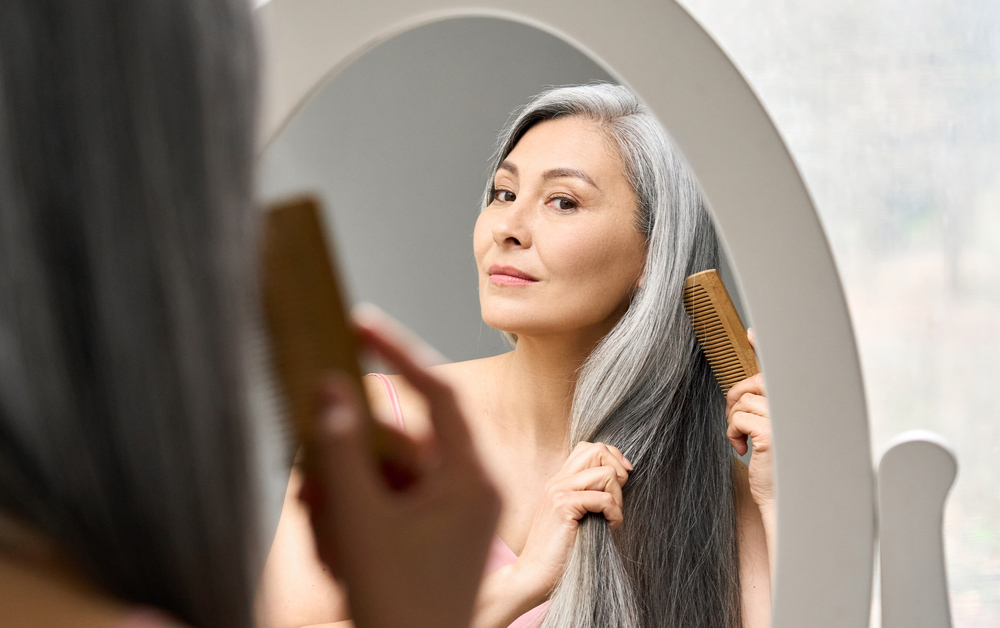
Many people describe the process as freeing. The routine of appointments, expenses, and upkeep fades away. That space allows attention to move elsewhere, toward relationships or personal interests. Rather than giving up, the choice often reflects growth. It shows comfort with reality and trust in one’s worth beyond looks.
Why Hair Turns Grey, The Biology Behind It
Understanding the science behind greying helps remove shame. Hair gets its color from melanin, a pigment made by cells called melanocytes. These cells live in hair follicles. As people age, melanocytes slow down or stop producing pigment. When that happens, hair grows without color. Genetics plays the biggest role here. If parents went grey early, chances are higher that their children will too. Stress is often blamed, but it does not directly cause grey hair. It may speed the process slightly through oxidative stress. Smoking has also been linked to earlier greying. Plucking a grey hair does not cause more to grow, as each follicle works on its own. Once pigment production stops in a follicle, the change is permanent. This process is not a failure but a normal biological marker of time and cellular change.
Aging, Identity, and Mental Well-Being
Aging reshapes identity whether people want it to or not. Visible changes like silver strands make that process harder to ignore. Psychology shows that people who adapt well to aging often reframe it. Instead of seeing loss, they see transition. This mindset supports emotional stability.
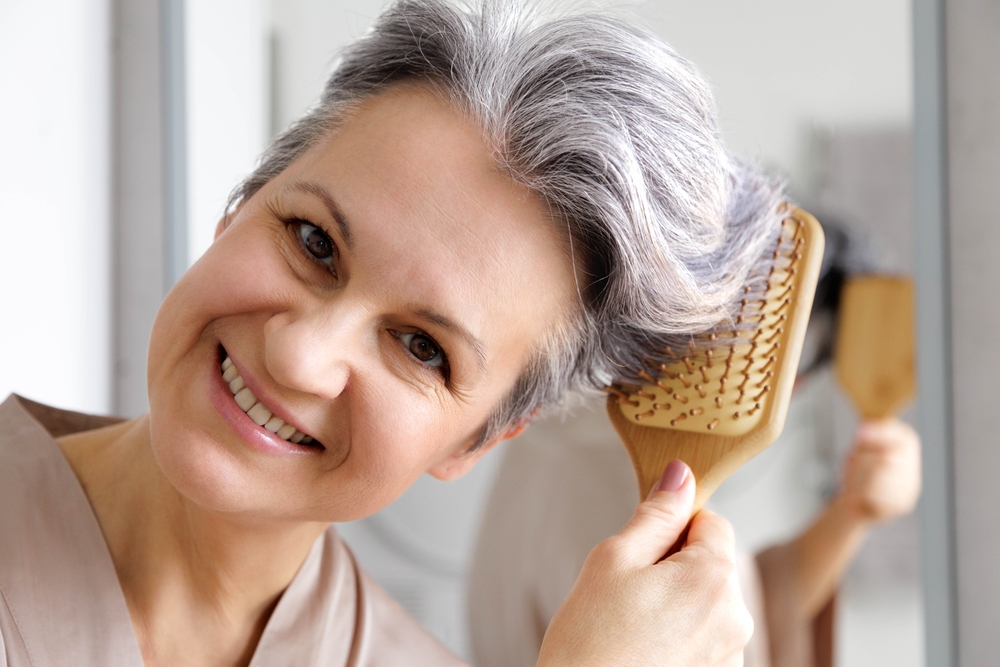
Research links positive aging attitudes to lower anxiety and depression. People who accept aging also tend to handle life stress better. On the other hand, constant attempts to hide aging can reinforce fear. The mind stays focused on avoidance rather than acceptance. Over time, this can create dissatisfaction. Letting natural hair show may support mental balance. It allows the outside to match the inside more honestly.
Healthy Aging Is More Than Appearance
Healthy aging involves behavior, mindset, and connection. Hair color plays a role in self-image for many, but it is not the foundation. Regular movement supports brain health and mood. Even short daily walks make a difference. Nutrition also matters. Diets rich in antioxidants support cellular health, including hair follicles. Sleep becomes more important with age. Poor sleep affects emotional regulation and memory, so having a consistent routine helps. Social connection protects mental health. Loneliness has been linked to cognitive decline and emotional distress. Staying connected with other people supports purpose and identity.
Finally, self-compassion ties everything together. Treating yourself kindly during change builds resilience. Whether someone dyes their hair or not, compassion matters most.
The Role of Control in the Decision to Go Grey
One reason this choice feels so meaningful is control. Aging brings many changes that people cannot stop. Our bodies shift, energy levels change, and time moves forward regardless of effort. Psychologists note that humans cope better with change when they retain some agency. Choosing not to dye hair restores that sense of control. The aging still happens, but the response becomes intentional rather than reactive. For some, dyeing hair begins to feel like chasing something already gone. Letting go can reduce that feeling of constant correction. It replaces it with acceptance.
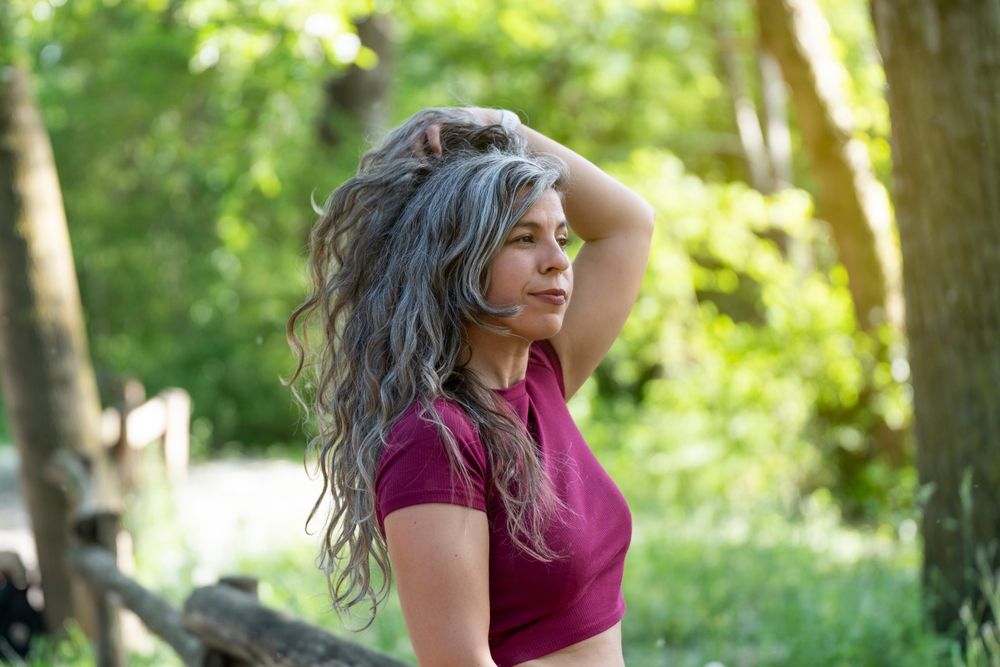
This sense of control often improves emotional regulation. People feel less irritated by their reflection and less focused on comparison. Over time, this can lower stress and improve mood. It becomes less about what others see and more about what feels honest.
Gender, Expectations, and Unequal Pressure
Psychology also looks at how gender shapes this experience. Men with grey hair are often described as distinguished or mature. Women are rarely given the same language. This imbalance affects decision-making. Many women feel pressure to maintain a youthful appearance longer, especially in professional settings. Grey hair may be seen as risky rather than natural.
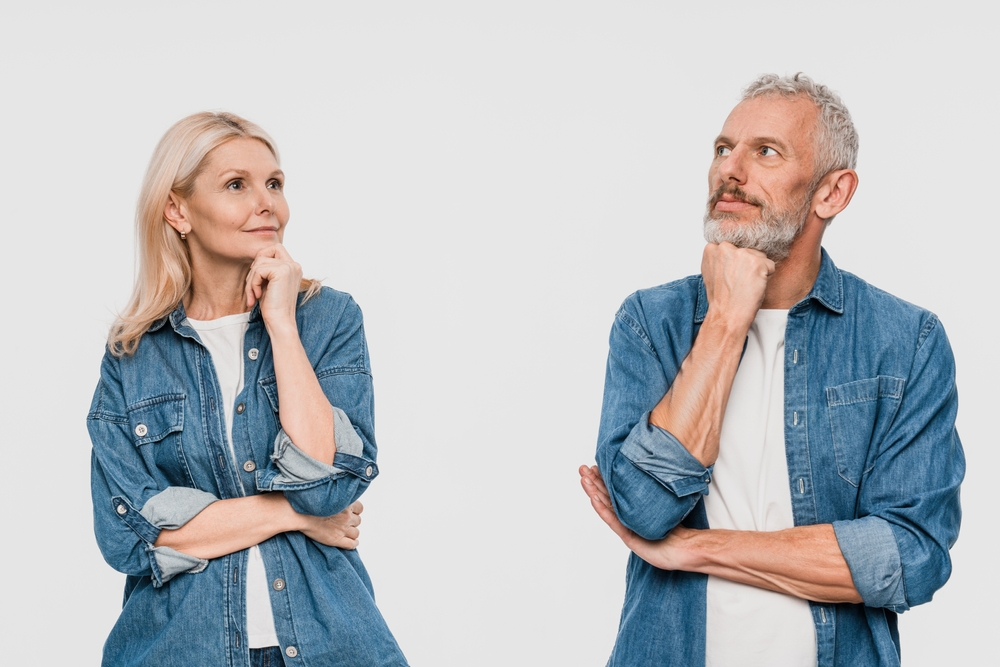
Because of this, choosing to go grey can feel more emotionally loaded for women. It challenges deeply rooted expectations tied to worth and visibility. Psychologists suggest this added pressure can increase anxiety around aging. Letting hair go natural may then act as a reclaiming of identity. It says aging does not erase competence or value. Over time, more representation helps soften these expectations. Visibility matters. When people see others thriving with natural hair, fear tends to fade.
The Transition Phase and Emotional Discomfort
The transition period is often the hardest part for many. Psychologically, this is where discomfort peaks. During this phase, hair may appear uneven or unfamiliar. People may receive comments they did not expect, and this can trigger self-doubt. Psychologists explain this as identity disruption. The old image no longer fits, but the new one has not settled yet. This gap can feel unsettling. Many people feel tempted to go back to dyeing during this time. That urge does not mean the decision was wrong; it just reflects the brain’s preference for familiarity. Those who continue often report a shift after several months where the discomfort fades, and confidence begins to grow.
Grey Hair and Authentic Self-Presentation
Authenticity is a recurring theme in psychology. It refers to aligning behavior with values and identity. Letting natural hair color show can support this alignment. It reduces the gap between how someone looks and how they feel inside. This alignment often improves self-esteem. People feel less like they are performing and more like they are simply existing.
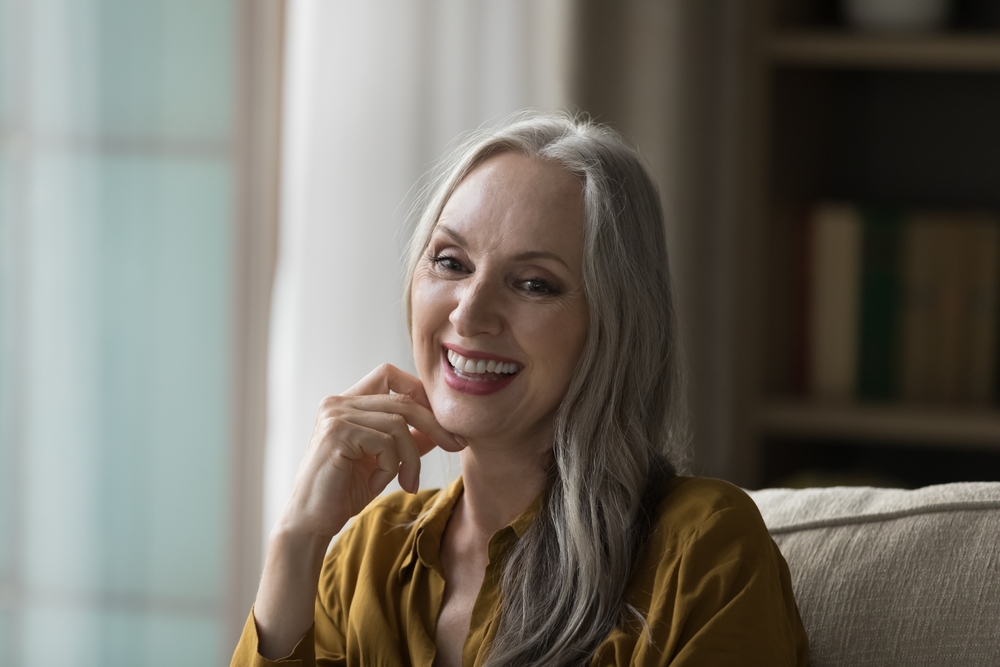
Authenticity also strengthens social connections. Others often respond positively to genuine self-presentation. It signals trust and emotional openness, and over time, this can improve relationships and reduce social anxiety.
Aging as a Psychological Transition
Modern psychology challenges the idea that aging equals decline. Instead, it frames aging as a transition with gains and losses. Cognitive flexibility, emotional regulation, and empathy often improve with age. Many people report feeling more stable emotionally than they did when younger. Grey hair becomes a visible symbol of this transition. It marks lived experience rather than loss. When people reframe aging this way, their mental health improves. They feel less threatened by change and more grounded in identity. This reframing does not ignore physical changes; it simply places them in a broader, more balanced context.
Supporting Healthy Aging From the Inside Out
Healthy aging depends more on daily habits than on appearance choices. Psychology consistently points to consistency over perfection. Regular physical activity supports both mood and cognition by reducing inflammation and protecting brain health. Even gentle movement, done often, can make a meaningful difference over time. Nutrition also plays an important role. What people eat affects energy levels, emotional balance, and cellular repair. Diets centered on whole foods tend to support long-term health and stability. Mental stimulation matters as well. Learning new skills, reading, or engaging in creative work helps keep the brain active and adaptable.

Sleep is another key piece. Quality rest supports emotional regulation, while poor sleep can increase irritability and anxiety. Simple routines often help regulate circadian rhythms and improve overall well-being. Social connection remains just as essential. Meaningful relationships protect against loneliness and depression and provide a sense of belonging. Above all, mindset shapes how aging is experienced. Viewing aging as growth rather than loss supports resilience and emotional balance across every stage of life.
Self-Compassion as the Foundation
Psychologists often return to self-compassion. It involves treating oneself with the same kindness offered to others. During visible aging, self-compassion becomes especially important. Critical self-talk tends to increase during transitions. Letting grey hair grow can serve as a daily reminder to practice kindness. It invites acceptance rather than judgment. Whether someone dyes their hair or not, compassion supports mental health. The choice matters less than the intention behind it. Aging happens to everyone. How people respond makes the difference.
Closing Thoughts
Letting grey hair grow naturally is not just a cosmetic decision. Psychology suggests it often reflects deeper shifts in identity and emotional maturity. It can signal freedom from social pressure, increased self-acceptance, and a healthier relationship with aging. It may also challenge outdated beauty standards and expand ideas of worth. This choice is not better or worse than dyeing hair. It is simply one expression of autonomy. In the end, healthy aging depends on mindset, connection, and self-compassion. Hair color becomes one small part of a much larger story. And for many, allowing natural silver strands to exist as they are feels like finally telling the truth to themselves.
Read More: New Study Reveals Unexpected Connection Between Hair Graying and Cancer Risk
Trending Products

Red Light Therapy for Body, 660nm 8...

M PAIN MANAGEMENT TECHNOLOGIES Red ...

Red Light Therapy for Body, Infrare...

Red Light Therapy Infrared Light Th...

Handheld Red Light Therapy with Sta...

Red Light Therapy Lamp 10-in-1 with...

Red Light Therapy for Face and Body...

Red Light Therapy Belt for Body, In...

Red Light Therapy for Shoulder Pain...
