Let’s be honest: having breasts can come with a few logistical challenges. Between finding the perfect bra and dealing with gravity, there is one annoying guest that tends to come along uninvited as soon as the weather gets warmer: the dreaded underboob rash. If you’ve ever looked in the mirror and seen a patch of red, angry skin staring back at you from the underside of your breast, don’t panic. You aren’t alone. A rash underneath your breasts is an incredibly common issue that many women and even some men will deal with at some point in their lives. Consider this your guide into the world of sub-mammary skin health. We’ll look at the common causes of rash under the breast, how to banish the itch for good, and most importantly, how to prevent it from coming back.
What Exactly is an Underboob Rash?
In medical terms, the most common type of underboob rash is called intertrigo. While it may sound like a fun Italian appetizer, it is just the name of an inflammatory skin condition caused by skin-to-skin friction. Skin rubbing against skin creates heat. Add a little sweat and a lack of air circulation due to bras and the natural fold of the breast, you create a little tropical microclimate right there on your skin. This environment is the perfect petri dish for irritation, bacteria, and fungi to thrive.
Symptoms of underboob rash can vary, but usually you will notice the following:
- Redness or pinkness in the skin fold.
- An itchy or burning sensation.
- Small bumps or a raw, shiny appearance.
- A musty odor if a yeast infection has developed.
- Cracked or “weeping” skin in severe cases.
The Usual Suspects: Common Causes of Rash Under Breasts

Understanding the causes of rash under the breasts is the first step toward getting relief. These are the most frequent culprits:
1. Heat, Moisture, and Friction (The “Big Three”)
The most common cause is simply the environment. During the summer months or after a workout, sweat gets trapped between the breast and the chest wall. If the skin stays damp for too long, the protective barrier of the skin begins to break down, leading to chafing and inflammation.
2. Candidiasis (Yeast Infection)
Everyone has a small amount of Candida (yeast) living on their skin. Usually, it’s harmless. However, yeast loves dark, moist, and warm places. If your skin stays damp, the yeast can overgrow, leading to a bright red, itchy, and sometimes “shiny” rash that may have small red spots around the edges.
3. Bacterial Infections
If the skin becomes broken due to scratching or severe chafing, bacteria like Staphylococcus or Streptococcus can come into play. This can lead to more painful infections, sometimes causing sores that ooze or crust over.
4. Eczema (Atopic Dermatitis)
If you have sensitive skin or a history of eczema, the area under your breasts can be a prime spot for a flare-up. This type of rash is usually very dry, scaly, and intensely itchy.
Sometimes the rash isn’t about sweat at all; it’s about what you’re putting on your skin. A new laundry detergent, a scented body wash, or even the nickel in your bra’s underwire can trigger an allergic reaction.
How to Get Rid of an Underboob Rash

If you’ve already got a case of itchy reds, don’t worry. Most cases of rash under the breasts can be managed at home with a little TLC. Use the following steps to help soothe and get rid of your underboob rash as quickly as possible.
Keep It Dry (The Golden Rule)
The number one enemy of a rash is moisture. After you shower, make sure you dry the area completely. Instead of rubbing with a towel, which can cause more irritation, try patting the skin dry or even using a hair dryer on the cool setting. This will ensure that all moisture is gone before you get dressed.
Use Over-the-Counter Help
There are a variety of over-the-counter products that can also help you to speed along the healing process:
- Barrier Creams: Zinc oxide (the main ingredient in diaper rash cream) is a miracle worker. It creates a physical barrier that protects the skin from moisture and friction.
- Antifungal Creams: If you suspect a yeast infection, aka the rash is itchy and bright red, an antifungal cream containing clotrimazole or micronazole can help clear it up.
- Hydrocortisone: For general inflammation or allergic reactions, a tiny bit of 1% hydrocortisone cream can calm the redness and itching. However, you should not use this product for more than a few days without first consulting a doctor.
Give It Some Air
As soon as you get home and as much as you can, take off your bra and wear a loose-fitting cotton t-shirt. Giving your skin a chance to breathe is one of the fastest ways to speed up the healing process.
Prevention: How to Stop the Rash Before it Starts

They say an ounce of prevention is worth a pound of cure, and when it comes to an underboob rash, that couldn’t be truer. Here is how to keep your skin under there happy and healthy:
1. Choose the Right Bra
Your bra choice matters more than you think. Look for bras made of moisture-wicking materials or high-quality cotton. Avoid synthetic fabrics like polyester or heavy lace that trap heat and sweat. You must also ensure proper fit. A bra that is too tight can cause friction, while one that is too loose doesn’t provide enough lift to prevent skin-to-skin contact. Get professionally fitted to ensure you’re wearing the right size.
2. Post-Workout Hygiene
Never sit around in your sweaty sports bra after a gym session. The longer that damp fabric sits against your skin, the higher your risk of developing a rash. Shower immediately and dry thoroughly.
3. Use Preventive Powders
If you know you’re going to be out in the heat, apply a talc-free body powder or a specialized “anti-chafe” stick under your breasts. This helps absorb moisture throughout the day and reduces friction. Cornstarch is a common DIY remedy, though some experts warn it can actually “feed” a yeast infection. A medicated or specialized body powder is often a safer bet.
4. Liners and Barriers
If you have larger breasts and find that moisture is a constant battle, consider using “bra liners.” These are thin, cotton strips that tuck under the bottom of your bra to soak up sweat and prevent skin-on-skin contact.
When Should You See a Doctor?

While most rashes are just a minor nuisance, some situations require professional medical advice. You should book an appointment if:
- The rash is spreading or getting worse despite home treatment
- The area is extremely painful, swollen, or feels hot to the touch.
- You notice pus or a foul-smelling discharge.
- You develop a fever.
- The skin looks like an orange peel, aka pitted and thickened, which can sometimes be a sign of inflammatory breast cancer.
A dermatologist or primary care physician can swab the area to determine exactly what is causing the irritation and prescribe stronger antifungal or antibacterial medications if needed.
Read More: Rare But Deadly Skin Cancers That People Often Overlook
Home Remedies: Fact vs. Fiction
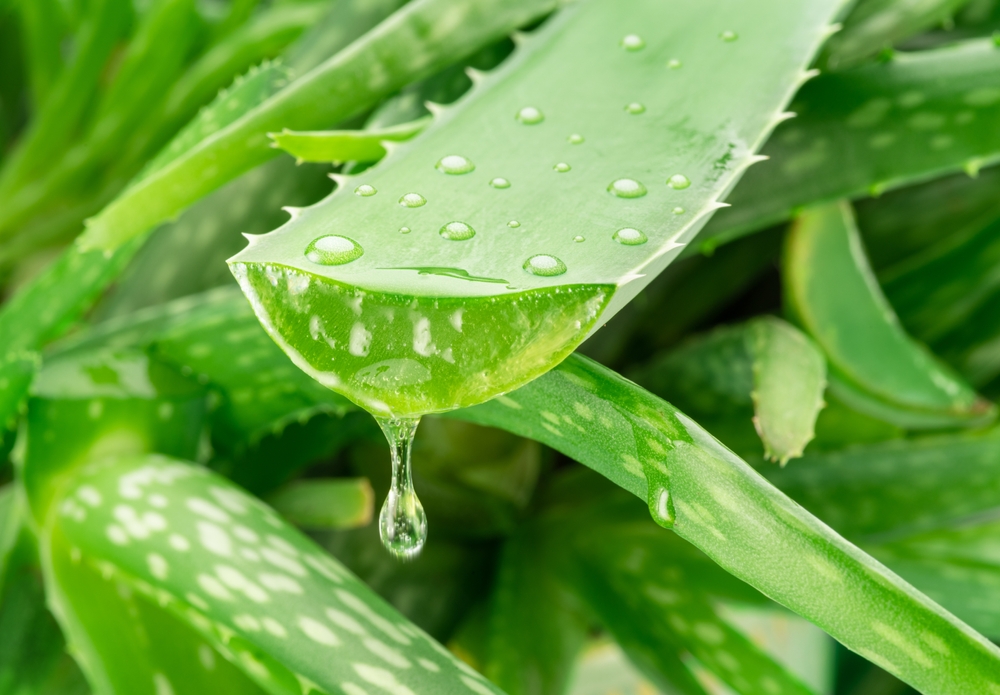
Image credit: Shutterstock
Do a quick internet search, and you will find countless blogs, videos, and articles claiming a “secret cure” for an underboob rash. Let’s look at the facts of some of these touted home remedies:
- Coconut Oil: Yes, it has mild antifungal properties, but because it’s an oil, it can sometimes trap heat. Use this sparingly.
- Apple Cider Vinegar: Some suggest a diluted ACV rinse to kill bacteria. While it can work, it is very acidic and will sting like crazy on broken skin. Proceed with caution.
- Aloe Vera: Great for cooling down a heat rash and reducing redness. It’s a safe, soothing option for mild irritation.
- Cold Compress: If the area is burning, a cold, dry compress (a bag of frozen peas wrapped in a clean towel, for example) can provide quick relief.
The Lifestyle Factor: Diet and Habits

Image credit: Shutterstock
Believe it or not, your lifestyle can play a role in how often you experience a rash underneath your breasts. High-sugar diets can sometimes contribute to more frequent yeast infections. If you find yourself battling chronic underboob yeast, cutting back on sweets and high-sugar products might help. Furthermore, weight management can help. While people of all sizes get rashes, carrying extra weight can create deeper skin folds where moisture gets trapped more easily. Finally, you should always be washing your bras after one or two wears. Bacteria and dead skin cells build up on the fabric, which can irritate your skin the next time you put it on.
Love Your Skin
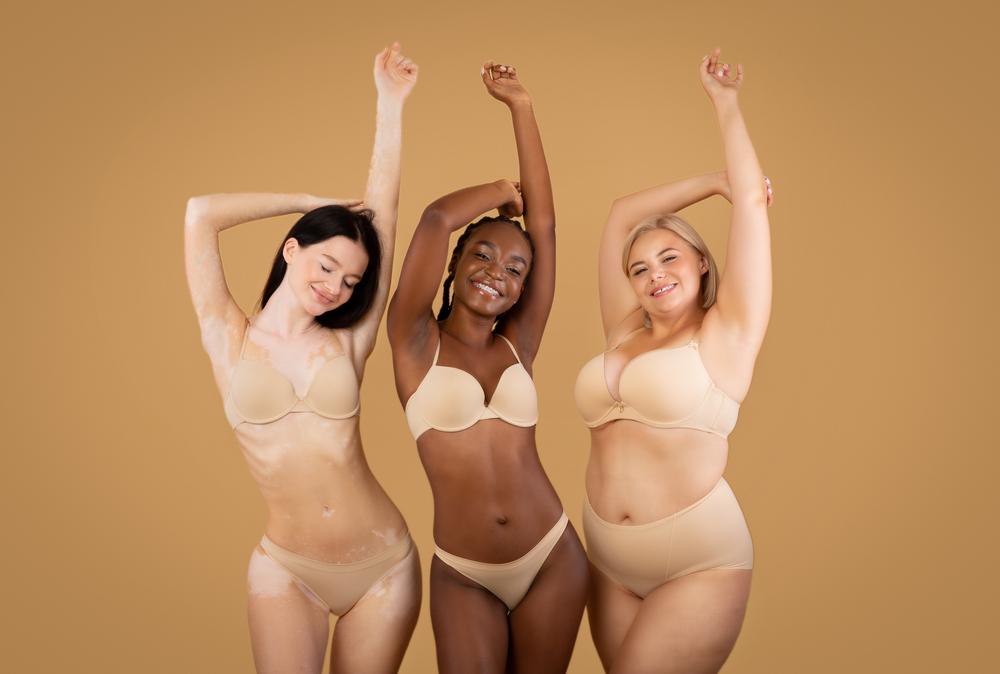
An underboob rash is not a reflection of your hygiene or your health; it’s simply a byproduct of biology and physics. Our bodies are warm, our skin is sensitive, and sometimes the two just don’t get along well in the heat. By understanding the causes of rash under the breasts, you can take proactive steps to stay comfortable. Focus on keeping the area clean, dry, and friction-free. Invest in good-quality bras, don’t be afraid of a little barrier cream, and always listen to what your skin is telling you. You deserve to feel comfortable in your own skin, literally! So, keep it dry, keep it cool, and say goodbye to itch for good.
Read More: Little Known Vitamin Deficiencies That Show Up On Your Skin
Trending Products

Red Light Therapy for Body, 660nm 8...

M PAIN MANAGEMENT TECHNOLOGIES Red ...

Red Light Therapy for Body, Infrare...

Red Light Therapy Infrared Light Th...

Handheld Red Light Therapy with Sta...

Red Light Therapy Lamp 10-in-1 with...

Red Light Therapy for Face and Body...

Red Light Therapy Belt for Body, In...

Red Light Therapy for Shoulder Pain...
