
Autoimmune diseases in men can start with ordinary problems. A rash can look like irritation. Back pain can look like a gym strain. Digestive trouble can look like food or stress. Yet immune-driven inflammation can keep returning. MedlinePlus explains the core issue. It says, “your immune system attacks the healthy cells of your organs and tissues by mistake.” This guide supports awareness, not self-diagnosis. Each chapter explains a condition men often overlook. Early care can protect joints and nerves. It can also protect the gut. Men can help by tracking timing and flare length. Bring photos of rashes. Write down bowel changes and any blood. Note morning stiffness and night waking. Ask which tests confirm or exclude a diagnosis. If you leave with no plan, ask for follow-up timing. Clarity saves time. Use this article to prepare for a medical visit. If symptoms persist beyond 2 weeks, ask for an assessment.
Why Symptoms Get Missed in Men
Autoimmune symptoms often hide because they are broad. Fatigue can look like poor sleep. Aches can look like overtraining. Rashes can look like an allergy or heat. Men may also delay care when they can still work. Pain tablets can dull symptoms and mask the cause. Another trap is the flare cycle. Symptoms ease, then return later. The CDC sums up that cycle well. It says, “Symptoms come and go in waves.” That wave-like course can mislead you into waiting. Waiting can let inflammation spread to new tissues. Autoimmune diseases in men can also look disconnected. A man may treat a rash, then months later treat joint pain. He may then develop bowel changes or eye irritation. Each visit can seem separate. Yet one immune process can link them. Family history can increase risk, but many men never ask about it.
Track when symptoms start and how long they last. Use dates, not vague time frames. Bring photos of rashes during flares. Describe pain in concrete terms, including morning stiffness. Watch for swelling, fever, unexplained weight loss, or blood in stool. Ask what diagnosis is being ruled out and why. If dismissed, ask when to return and what changes to the plan. Keep a log on your phone. Record sleep and training load. Note any new medicine. Note whether symptoms improve with rest or activity. Inflammatory pain often improves once you move. Mechanical pain often worsens with movement. Do not remove gluten or start steroids before testing. Those changes can hide lab signals. Ask for a clear set of next steps. That may include blood tests and referral. If symptoms persist, ask for a review of all body systems. That broader view can reveal a shared cause. Treat symptoms as data, not noise.
Psoriasis
Psoriasis can look like a surface problem. Yet the driver is inactive in the skin. NIAMS describes the process in plain words. It says, “the immune system becomes overactive, causing skin cells to multiply too quickly.” That rapid turnover creates thick plaques with scale. Plaques often appear on the scalp or elbows. Knees are common too. They can crack and bleed, especially in dry weather. Men also get psoriasis in the beard area. It can be mistaken for dandruff or shaving irritation. Psoriasis can also change nails. Nails may pit or lift. Thickening can follow. That can look like fungus, so mention it early. Men should also know about involvement in intimate skin. Schielein and colleagues ran a German survey study. They reported, “Genital psoriasis was more prevalent in men than in women (65.0% vs. 52.5%).” Genital plaques can sting with sweat and friction.
Some men also get smooth red patches in skin folds. That form is called inverse psoriasis. Loose underwear and fabrics can reduce rubbing. Itch can disrupt sleep and concentration. Keep nails short to reduce skin injury. Use fragrance-free moisturizers after showers. Ask about medicated creams for sensitive areas, because strong steroids can thin skin. If pain affects sex, say so directly. That detail helps your clinician tailor treatment and dosing. Take photos if plaques fade before your visit. Psoriasis can also affect joints over time. The National Psoriasis Foundation describes the risk. It notes, “Roughly 1 in 3 people living with psoriasis also have psoriatic arthritis.” Report swelling or heel pain. Also report stiff fingers. Treatment can include topical therapy and light therapy. Some men also need immune-targeted medicine. Early care can reduce flares and protect joints.
Ankylosing Spondylitis
Ankylosing spondylitis can begin as stubborn low back pain. Many men blame posture or lifting. Inflammatory pain behaves differently from strain. It often worsens after rest. It often improves once you move. Morning stiffness can last and return daily. NIAMS defines the condition clearly. It says, “causes inflammation in the joints and ligaments of the spine.” On many days, pain improves after a hot shower. Stretching can loosen stiffness. These clues point toward inflammation. Pain from strain usually improves with rest. If you sit for work, long meetings can worsen stiffness. Stand up and walk often. Record what changes in symptoms and for how long. NIAMS notes it may also affect hips and other joints. If your chest feels tight when breathing deeply, mention it. Inflammation near the ribs can limit expansion. Some men also get fatigue during flares.
It can be severe even without a fever. Early referral to rheumatology can shorten delays. Pain can also spread to the hips or ribs. Some men first notice reduced flexibility in training. Others notice night waking from back or buttock pain. Over time, inflammation can change the spine structure. NIAMS warns that vertebrae may fuse in severe disease. Fusion can limit turning and bending. It can also affect driving comfort. Men may also develop tendon pain at heels or knees. Those areas are common attachment points for inflammation. Eye inflammation can also occur. Seek urgent care for sudden eye pain or light sensitivity. Diagnosis uses symptom history and imaging. Exam findings guide interpretation. Blood tests can support the picture, but they are not decisive alone. Treatment often includes guided exercise and anti-inflammatory medicines. Some men also need immune-targeted therapy. Back pain beyond 3 months deserves assessment today. Do not accept ongoing pain as normal aging.
Type 1 Diabetes
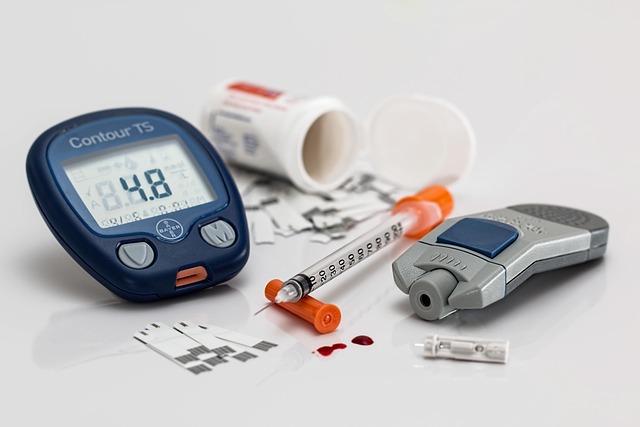
Type 1 diabetes can start at any age. Men may dismiss early signs, especially if they train. Thirst and frequent urination are common early clues. Blurred vision and rapid weight loss can follow. It adds a line: “Don’t guess!” Get a blood sugar test when symptoms cluster today. Type 1 diabetes develops when immune cells destroy insulin-making cells. Without insulin, glucose builds up in the blood. Untreated type 1 diabetes can become dangerous. Vomiting and fast breathing can signal ketosis. Deep fatigue can follow. Seek urgent care if those signs appear. After diagnosis, daily insulin becomes essential. The CDC states, “You’ll need to take insulin every day by injecting it or using an insulin pump.” Some men are first told they have type 2 diabetes. If weight loss is fast, ask whether type 1 is possible. Ask whether ketones should be checked during illness.
High ketones can develop even with moderate glucose. Learn the signs of low blood sugar early. Sweating and shaking can appear suddenly. Confusion can follow. Plan glucose checks around long drives and heavy training. Discuss alcohol safety, because it can lower glucose levels later. Ask for training on injections and dose timing. Also, ask about insulin storage. Good education reduces fear and prevents mistakes. If you use a continuous glucose monitor, review alarms and trends with your team regularly. Men should also ask about sexual health. Mayo Clinic Health System explains, “Elevated blood sugar levels cause nerve and blood vessel damage.” That damage can contribute to erectile dysfunction. Open discussion allows screening and treatment. Exercise planning also matters. Training changes glucose use and insulin needs. Ask your care team how to adjust safely. Strong routines help men stay in range.
Inflammatory Bowel Disease
Inflammatory bowel disease includes Crohn’s disease and ulcerative colitis. Men often normalize symptoms when flares settle for a while. Diarrhea, abdominal pain, fatigue, and weight loss can seem like diet trouble. The CDC describes the course clearly. It says, “Symptoms come and go in waves.” Blood in stool and urgent bathroom trips need evaluation. Keep a stool log for 7 days before your visit. Include timing and urgency. Note blood. Note the weight change with dates. Dehydration can build during flares, so track fluids too. Low iron can also develop, so ask about anemia testing. Diagnosis may involve stool studies and blood tests. Colonoscopy helps confirm inflammation and its extent. Some men also need imaging to check the small bowel. Treatment can include anti-inflammatory medicines and immune-targeted therapy. Ask how to manage flares at home and when to seek urgent care. Planned care helps men keep training steady long-term.
Crohn’s can affect any part of the digestive tract. Ulcerative colitis mainly targets the colon and rectum. During flares, men can also develop joint pain or mouth ulcers. Those signs can point to wider inflammation. Long-term colonic inflammation raises colorectal cancer risk. A Swedish cohort study in Gastroenterology was run by Sverre Söderlund and colleagues. They reported, “Males with IBD had a 60% higher risk of CRC.” This does not mean cancer is certain. It means surveillance should be planned. The American Gastroenterological Association gives best-practice advice. It states, “Initial colonoscopy screening for dysplasia should be performed at 8-10 years after disease diagnosis”. Ask how your disease extent changes that timing. Also, ask how often follow-up should occur after a normal exam. Treatment aims for remission and reduced inflammation. Report symptoms early, even between flares. Skipping visits can let the disease worsen in silence.
Celiac Disease
Celiac disease can hide in men because symptoms vary. Some men get diarrhea and cramping. Others mainly get anemia or fatigue. Poor recovery can follow. NIDDK defines the condition plainly. It states, “Celiac disease is a chronic digestive and immune disorder that damages the small intestine.” It also notes that gluten triggers the disease. When the intestine is injured, nutrients are absorbed poorly. Men may notice low iron or repeated mouth ulcers. Some men also develop low bone density over time. That can raise fracture risk during sport. Underdiagnosis in young adult men is documented. Rohit Dixit and colleagues at Columbia University analyzed diagnosis patterns. They concluded, “There should be more emphasis on the diagnosis of celiac disease among young adult males.” The first step is correct testing. Do not remove gluten before evaluation, unless a clinician instructs it.
Removing gluten can lower antibodies and blur results. Diagnosis often begins with blood tests. Doctors may confirm with a small bowel biopsy when needed. After diagnosis, strict gluten avoidance supports healing. Gluten can hide in packaged foods and some supplements. Men may also have symptoms outside the gut. Some get an itchy blistering rash on the elbows or knees. Others notice tingling in their hands and feet. Some also report brain fog during flares. These signs can still fit celiac disease. If you suspect celiac disease, stay on gluten until testing is done. Ask the clinician which blood tests they plan to order. After diagnosis, ask about label reading and cross-contact at home. Shared toasters and cutting boards can contaminate food. Plan meals for travel and work lunches to reduce risk. This cuts exposure risk. A dietitian can help you avoid exposure. Ask whether relatives should be screened, because risk can run in families.
Read More: These Unexpected Rheumatoid Arthritis Symptoms Could Be Easy to Miss
Conclusion: A Clear Plan for Testing and Follow-Up

Men can reduce missed autoimmune diagnoses with preparation. Start with a timeline that uses dates. Record flare length and what changes the symptoms. Bring photos of rashes, including scalp and groin. For bowel symptoms, record frequency and any blood. For back pain, record morning stiffness and night waking. Ask which diagnosis is being considered and why. Ask which tests confirm it. If type 1 diabetes is possible, ask about antibody testing. The CDC notes, “Your blood may also be tested for autoantibodies.” That testing can support early detection. Treatment works best when it starts early. Psoriasis care can calm skin and protect joints. Ankylosing spondylitis care can protect mobility. IBD care can support remission and planned surveillance. Celiac disease care depends on strict gluten avoidance. Type 1 diabetes care depends on insulin and monitoring. Ask for copies of key results, including imaging reports.
Store them in one folder for future visits. If you start a new medicine, ask how long it should take to help. Ask which side effects need a call. Agree on a clear goal, such as fewer flares or better sleep. If you do not improve, request a specialist review. Follow the plan for the trial period. Then review results and adjust with your clinician. If cost is a barrier, ask about cheaper options and local support programs, too. Men often underreport symptoms because they want to stay functional. That choice can backfire when inflammation damages tissue. If you struggle to speak during the visit, bring a written note. Ask a partner or friend to attend if you want support. After testing, request a plan for flare management. Also, ask which symptoms mean emergency care. Use follow-up dates, not open-ended advice. Planned care protects health and keeps life moving.
A.I. Disclaimer: This article was created with AI assistance and edited by a human for accuracy and clarity.
Read More: 8 Autoimmune Symptoms You Could Be Overlooking
Trending Products

Red Light Therapy for Body, 660nm 8...

M PAIN MANAGEMENT TECHNOLOGIES Red ...

Red Light Therapy for Body, Infrare...

Red Light Therapy Infrared Light Th...

Handheld Red Light Therapy with Sta...

Red Light Therapy Lamp 10-in-1 with...

Red Light Therapy for Face and Body...

Red Light Therapy Belt for Body, In...

Red Light Therapy for Shoulder Pain...
