
James Balog is a conservationist and environmental photographer with a long history of skepticism. Since the 1980s, he would scoff at people speaking about the drastic effects of climate change. After years of these firmly-held beliefs, his mind was changed in one momentous instant. In the early 2000s, he and his crew were in the Arctic on assignment from National Geographic. Seeing glaciers up close, Balog’s worldview turned upside down. He set out to document the majesty and collapse of glaciers all over the world.
What is Glacial Calving?
The North and South Poles are surrounded by massive glaciers made of compacted snow. Calving is the process by which large chunks of ice break off to form icebergs. This is a naturally occurring phenomenon, as glaciers tend to recede and regrow with the seasons. But scientists show that glaciers are shrinking at an increasingly rapid rate all over the world. According to the World Meteorological Organization, glacier collapse is the second largest contributor to rising sea levels.
Too much calving also threatens the supply of freshwater to people living downstream. It can also lead to floods and similar natural disasters. “Preservation of glaciers is not just an environmental, economic and societal necessity,” said WMO Secretary-General Celeste Saulo in a press release. “It’s a matter of survival.”
The Largest Documented Glacier Collapse
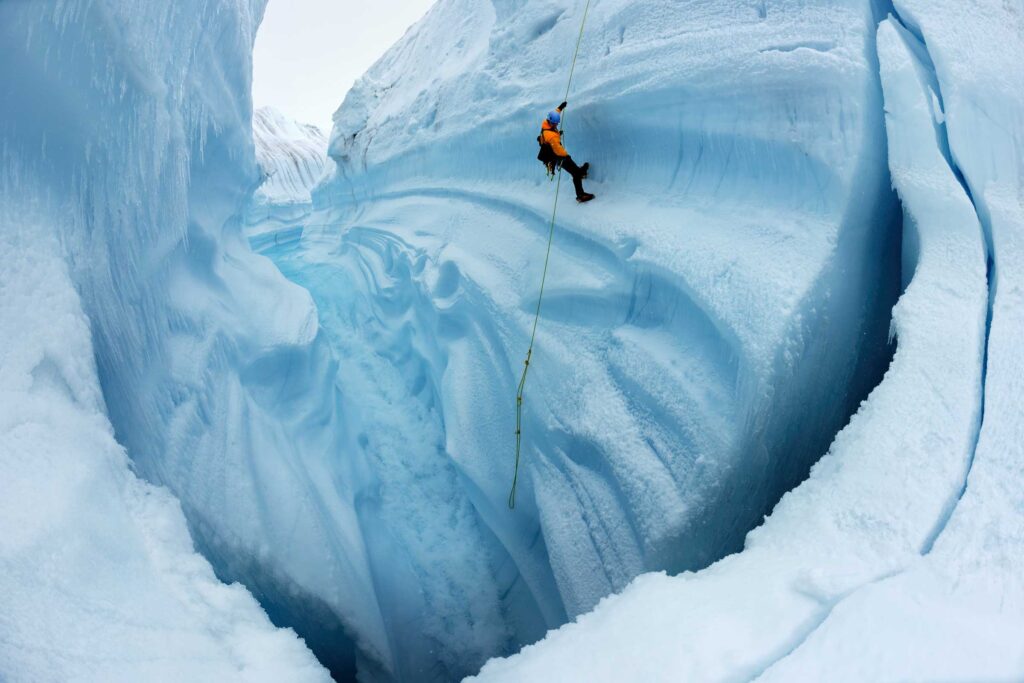
It all began with an assignment from National Geographic. James Balog and his colleagues were sent to the Arctic to photograph glaciers for the June 2007 cover story “The Big Thaw”. Until that trip, Balog thought people exaggerated the effects of climate change. “I didn’t think that humans were capable of changing the basic physics and chemistry of this entire, huge planet. It didn’t seem probable, it didn’t seem possible,” Balog said in his 2012 documentary film “Chasing Ice.”
Glacier collapses, and ice loss weren’t the only pieces of evidence that convinced Balog of climate change. He was also shocked by the carbon monoxide levels sealed away in bubbles in the ice. These bubbles contain samples of atmospheric temperatures from previous eras. They showed how temperatures are rising compared to past generations.
While still on assignment from National Geographic, he and his team took photos of glaciers in Iceland and marked the locations. Six months later, they returned to those spots, but the landscape had changed so much that they thought they had marked the wrong places. Their photos captured the staggering loss of ice in the area. This inspired Balog to create the Extreme Ice Survey.
The Extreme Ice Survey
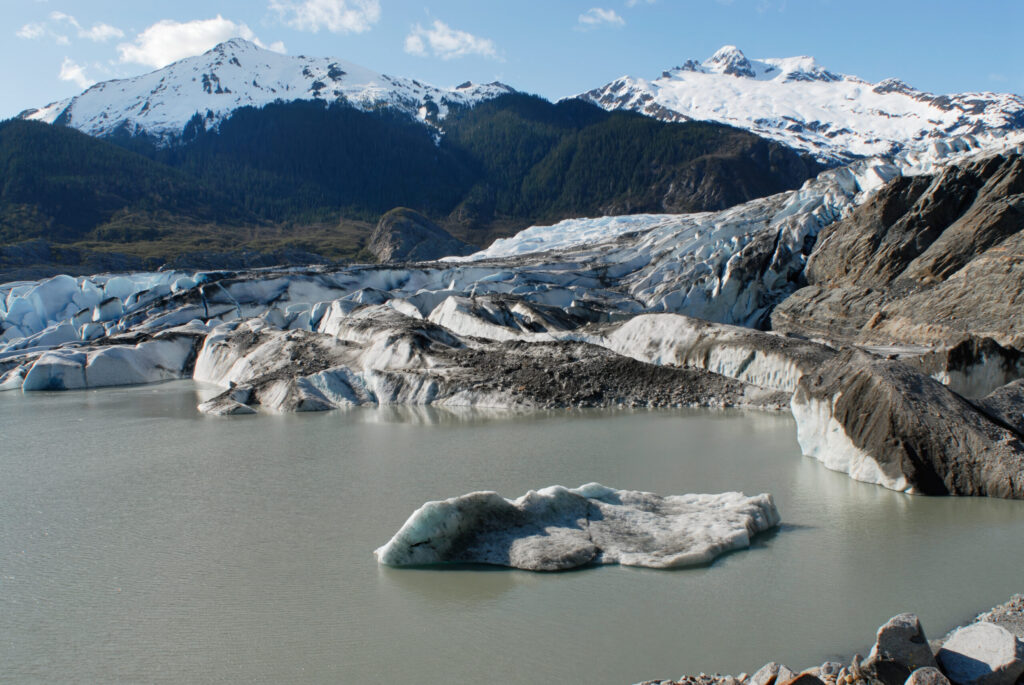
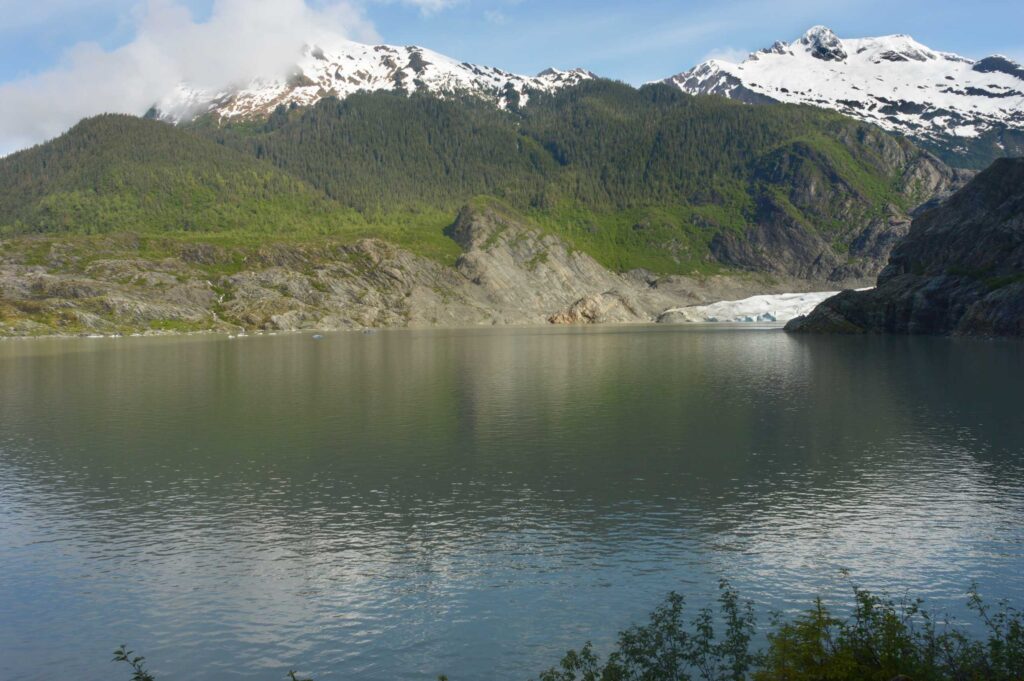
For three years, Balog and his team of glaciologists, photographers, and field technicians used time-lapse cameras to document the melting glaciers in real-time. His goal was to provide indisputable, gut-wrenching proof of the climate-change crisis. They placed twelve cameras in Greenland, five in Alaska, five in Iceland, and two in Montana. The cameras, custom-made by the crew, took pictures of the same landscape every hour during daylight hours.
“The stunning thing has been that you can see some really astounding changes to these huge landscapes in astonishingly short periods of time, in some cases a matter of days or weeks,” said Balog in a 2009 interview with National Geographic. “As a layperson who is professionally and technically educated, you walk through these landscapes and think: Well, okay, whatever changes are going to happen here will happen slowly and incrementally. But these cameras are recording changes… happening rapidly and abruptly. That’s the revelation…”
The Ilulissat Glacier Collapse
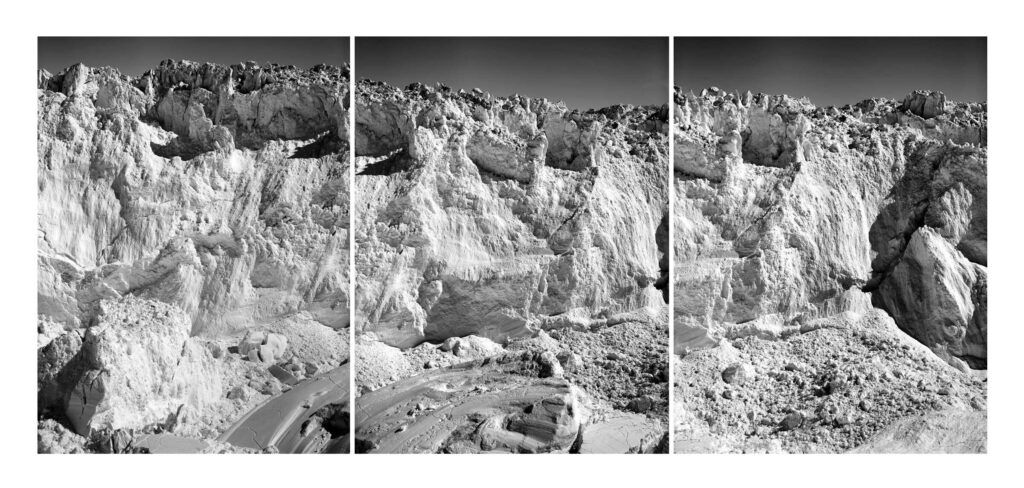
Caption: The Ilulissat Glacier, also known as the Jakobshavn Glacier, is where the EIS team filmed the record-breaking glacier collapse.
The team continuously traveled to the locations to film and perform maintenance. During these visits, they witnessed multiple glacier calving events. However, the most notable was the massive collapse of the Ilulissat Glacier in Western Greenland. The 2016 Guinness Book of World Records called this the largest glacier calving event ever captured on film.
On May 28, 2008, Adam LeWinter and Jeff Orlowski were filming the glacier when they witnessed a large piece of ice begin to calve. Massive chunks of dove in and out of the water. Within two hours, the iceberg had completely melted away. In “Chasing Ice,” Balog describes it as if the entire lower tip of Manhattan melted away in just 75 minutes.
Read More: First-of-Its-Kind Meltwater Eruption Breaks Through Greenland Ice
Chasing Progress
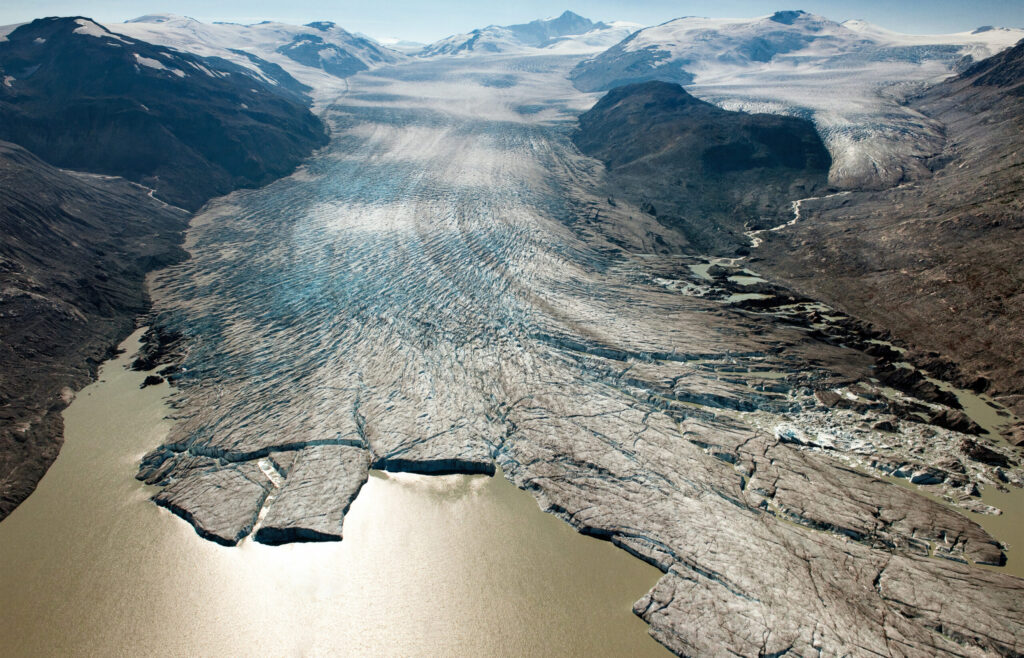
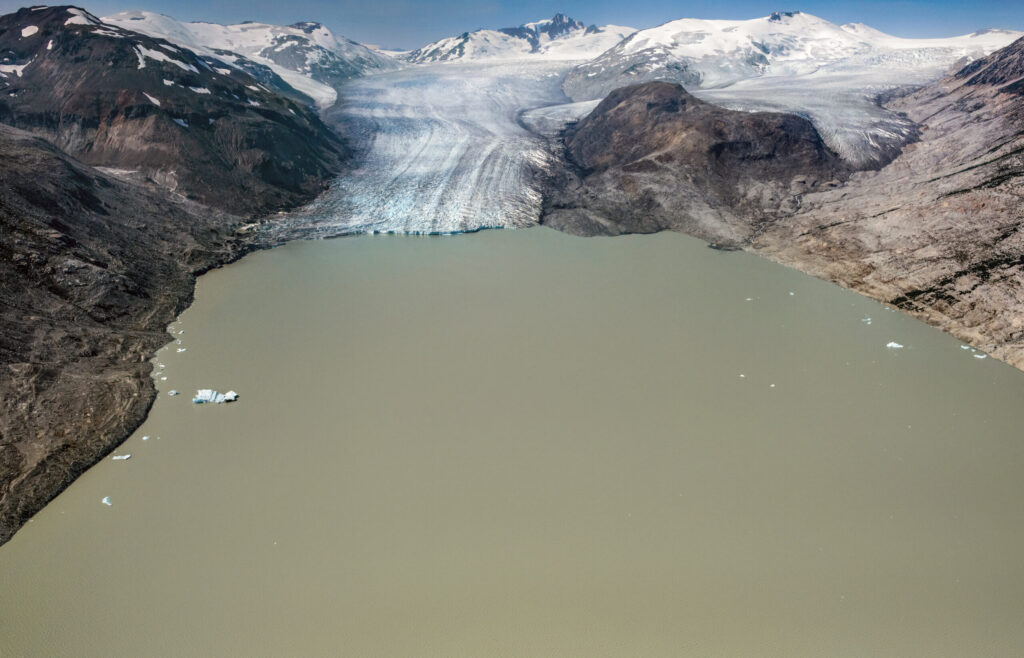
After the success of the “Chasing Ice” documentary, Balog brought the mission to the Southern Hemisphere. There, the team set up cameras to capture glaciers on the Antarctic Peninsula and on South Georgia Island. The Extreme Ice Survey officially wrapped in 2022, and it involves 1.5 million images showing glacial change over the span of 15 years. The collection was archived at the National Snow and Ice Data Center (NSIDC).
“This project was challenging. But I think it’s important to have these images out in the public domain…” said Donna Scott, the programs and projects lead at NSIDC, in a featured interview. “Predicting the details of glacier retreat can be difficult for computer models, and this is a valuable resource to improve our understanding. It helps people to understand climate change when you can visually see the change happening.”
Read More: Stunning Before-And-After Images Show Swiss Village Buried by Glacier
Trending Products

Red Light Therapy for Body, 660nm 8...

M PAIN MANAGEMENT TECHNOLOGIES Red ...

Red Light Therapy for Body, Infrare...

Red Light Therapy Infrared Light Th...

Handheld Red Light Therapy with Sta...

Red Light Therapy Lamp 10-in-1 with...

Red Light Therapy for Face and Body...

Red Light Therapy Belt for Body, In...

Red Light Therapy for Shoulder Pain...
