
The latest warnings Russia has issued towards Trump have added a new strain to an already tense global picture. Russian officials are reacting sharply to renewed comments from Donald Trump about Greenland and global security. Moscow argues these ideas could upset decades of strategic balance. While the language sounds extreme at times, the concerns connect to real military systems, Arctic strategy, and nuclear deterrence.
A Familiar Idea Returns With Higher Stakes
Donald Trump first raised the idea of acquiring Greenland back in 2018 during his first term. Back then, many people laughed it off. It felt more like a political stunt than a real plan. This time, the tone sounds different. Trump framed Greenland as essential to future defense and global stability. That has now shifted how allies and rivals respond.
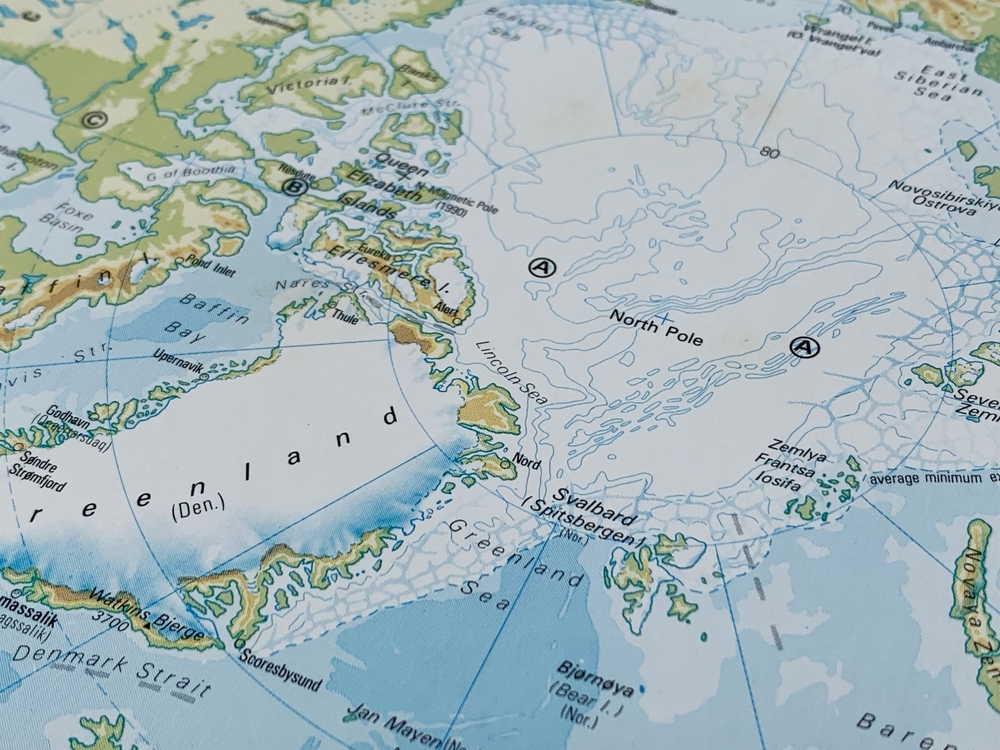
From Russia’s side, this is not really about buying land; it is about military reach in the Arctic. Greenland sits between North America and Europe. That location affects missile detection, early warning systems, and response timing. Because of this, Moscow treats renewed U.S. interest as something serious.
Russian commentators quickly tied Donald Trump’s comments to broader security systems. They argue that changing control over Arctic infrastructure could weaken existing deterrence models. As a result, reactions were fast and forceful, even if they came from familiar figures.
Who Issued the Warning
Much of the attention centers on Dmitry Rogozin, a former deputy prime minister and past head of Russia’s space agency. Rogozin warned that U.S. moves involving Greenland could lead to catastrophic outcomes. He used language suggesting nuclear escalation and even global collapse.
He does not speak directly for the Kremlin. Still, his voice matters. Rogozin has long ties to defense and aerospace circles. His views often mirror nationalist and military thinking inside Russia. Because of that, his words travel far beyond social media.
At the same time, Rogozin is known for dramatic framing. He often pushes statements to their limits. This makes it important to separate rhetoric from policy. Even so, his focus on missile defense and surveillance points to real technical anxieties.
Greenland’s Strategic Role in Modern Defense
Greenland already hosts important U.S. military assets. The most well-known is Thule Air Base, which plays a role in missile warning and space tracking. These systems watch for potential launches across the Arctic.
Geography still matters, even in a digital age. Missiles flying over the North Pole have shorter paths. That reality shaped Cold War planning and still applies today. As missile technology advances, early detection becomes even more important.
Russia argues that expanded U.S. influence in Greenland could strengthen American defensive shields. In their view, this weakens mutual deterrence. Russian analysts claim this shift could encourage risky strategies, even without intent.
Nuclear Deterrence and the Balance of Fear
Since World War II, global stability has relied on deterrence. Both sides keep enough power to strike back after an attack. That balance discourages first strikes; however, missile defense systems complicate this logic.
Russia fears stronger U.S. defenses could reduce its deterrent. If one side believes retaliation can be blocked, deterrence breaks down. This sits at the core of the current warning that Russia has issued to Trump.
Experts still debate this. Missile defense systems are limited and struggle against large attacks and advanced countermeasures. Yet perception matters as much as reality. When leaders believe the balance is shifting, tension follows.
NATO Allies Caught in the Middle
European allies are watching carefully. Greenland is part of the Kingdom of Denmark. Danish leaders have repeatedly said Greenland is not for sale, and Greenlandic officials also emphasize self-rule and sovereignty.
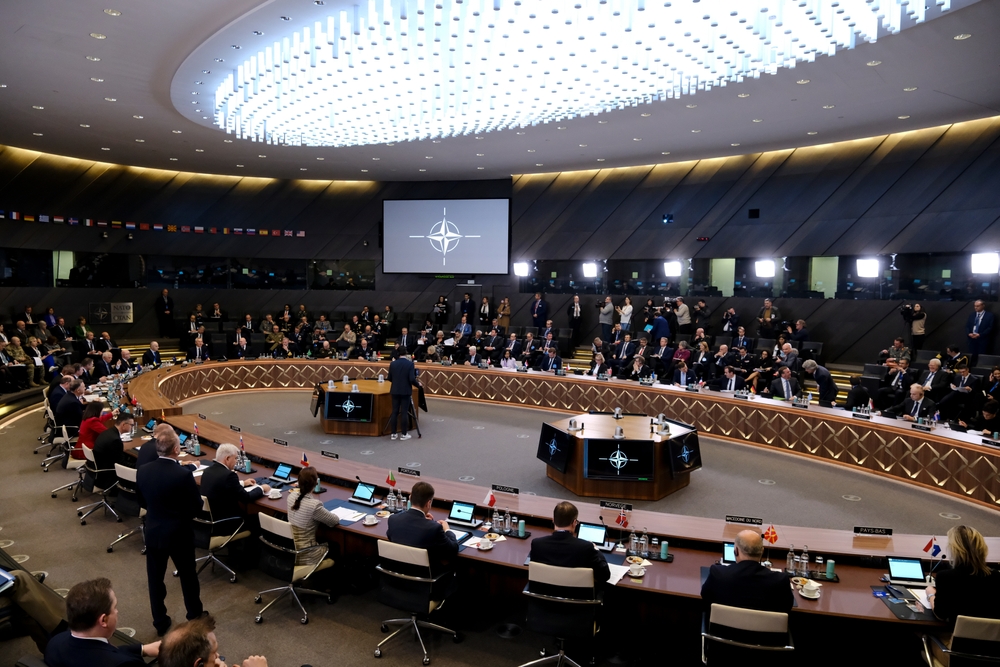
Trump’s comments put NATO partners in a difficult spot. The alliance relies on U.S. power. At the same time, unilateral moves can strain trust. Russia has been quick to highlight these internal tensions.
From Moscow’s point of view, Western unity looks fragile. Pointing out disputes over Greenland supports Russia’s message. It casts the U.S. as destabilizing while Russia claims to defend the status quo.
Arctic Competition Beyond the Headlines
The Arctic is no longer a quiet region. Melting ice has opened new shipping routes and resource access. Countries are now competing for research rights and military presence.
Russia has invested heavily in Arctic bases and icebreakers. China calls itself a near-Arctic state and seeks economic roles. The U.S., until recently, moved more slowly.
Trump’s renewed focus on Greenland reflects growing awareness that the Arctic shapes future security. Russia’s response is about long-term positioning, not just one comment.
Separating Alarm From Reality
Despite heated words, no immediate action is underway. The U.S. has not announced formal plans to acquire Greenland, and Russia has not shifted its nuclear posture.
This gap between words and action matters. Political rhetoric often escalates faster than policy. Rogozin’s warnings raise fear, but they do not signal an imminent crisis.
Still, repeated statements shape attitudes over time. Each warning that Russia issues toward Trump adds to a story of confrontation. Eventually, that story affects budgets, alliances, and decisions.
Social media and viral outlets amplify dramatic claims. Phrases about global collapse spread fast and draw attention, but remove nuance.
In reality, strategic shifts take years. Treaties, base agreements, and defense systems move slowly. Remembering that timeline helps reduce panic while still recognizing there is a risk.
Because of this, readers should approach these stories carefully. Alarm does not mean disaster is coming, but it does show how intense global competition has become.
Scientific Limits of Missile Defense Systems
Missile defense often sounds more powerful than it is. In reality, these systems face serious technical limits. Interceptors must detect, track, and hit fast-moving objects in minutes. Even small errors can cause failure.
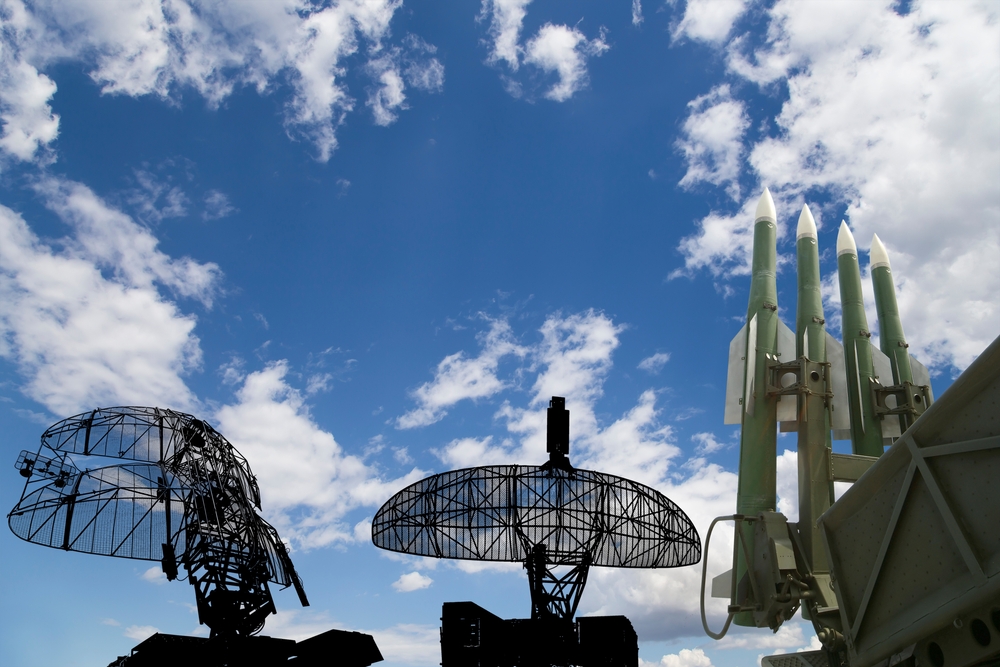
Image credit: Shutterstock.
Russia often points out these limits, even while warning about U.S. expansion. That may sound contradictory, but it is strategic. Moscow wants to argue that missile defense is both dangerous and unreliable. This framing supports its case against further development.
Scientists agree that no missile shield is perfect. Large-scale attacks can overwhelm defenses. Decoys and countermeasures also reduce effectiveness. Still, partial systems can shift confidence. That psychological shift worries Russian planners the most.
Strategic Signaling From Moscow
Russia’s response fits a familiar pattern. When the U.S. hints at expanding military reach, Moscow responds with strong language. These statements are meant to warn, but also to test reactions.
By issuing a warning through well-known figures, Moscow sends messages on several levels. One message targets Washington. Another targets European allies. A third speaks to domestic audiences, reinforcing strength.
This kind of signaling does not always mean escalation is planned. Often, it is about shaping narratives early. If tension grows later, Russia can point back and say it warned everyone.
China’s Quiet Presence in the Background
Beijing has invested in Arctic research and infrastructure and sees the region as important for trade and future access.
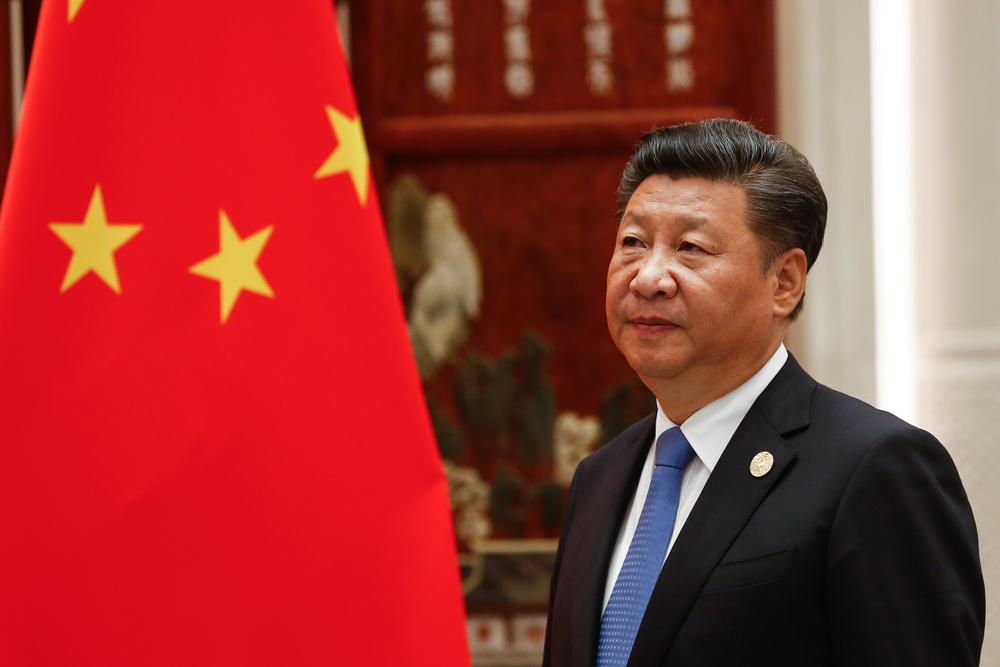
Russia and China cooperate in some Arctic areas, but they are not identical partners. Both want to limit U.S. dominance. At the same time, each wants influence. Greenland becomes symbolic in that larger contest.
Trump’s comments remind China that Arctic governance could shift quickly. Even without direct statements, Beijing is watching closely.
Denmark and Greenland Push Back
Danish officials have responded calmly but firmly. They stress that Greenland’s status is not negotiable. Greenland’s own leaders echo that message, emphasizing self-determination.
For many Greenlanders, the debate is not about superpowers. It is about autonomy, economic development, and environmental protection. Outside pressure complicates those goals.
By raising Greenland in global security debates, major powers risk sidelining local voices, which adds another layer to the dispute.
Why This Moment Feels Different
Similar arguments have surfaced before, but what makes this moment stand out is timing. Global trust is low, and arms control agreements have weakened. Communication channels feel thinner.
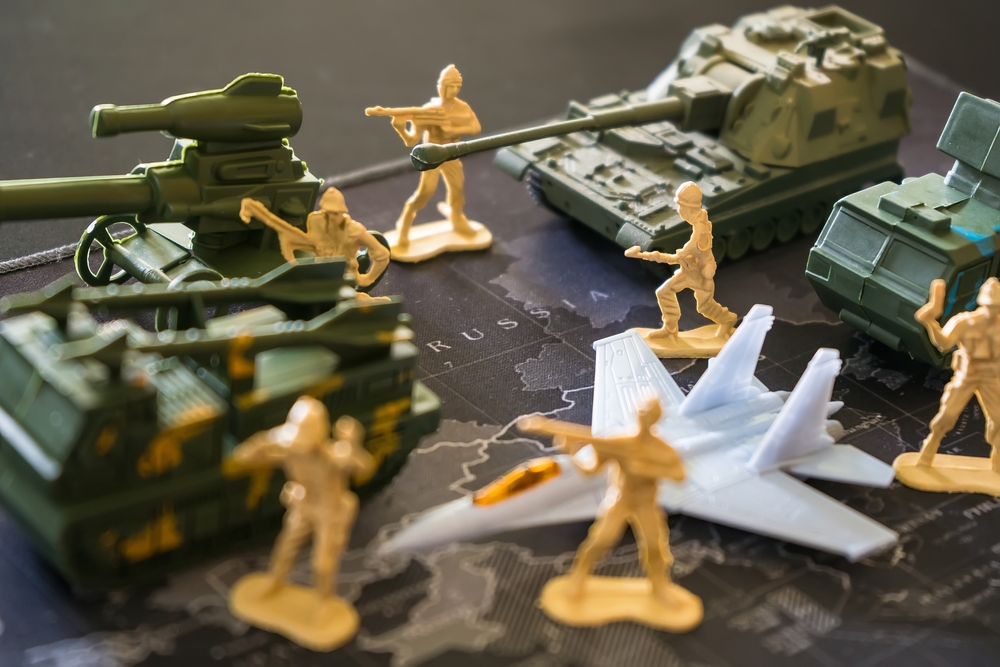
In that context, even speculative comments carry more weight. A single warning from Russia aimed towards Trump spreads faster and lands harder than it might have a decade ago. Each side assumes the other is already planning moves. This does not mean conflict is inevitable. But it does mean misunderstandings carry higher costs.
What Comes Next Is Still Unclear
For now, no concrete steps have followed the rhetoric. Diplomats continue routine talks and military postures remain unchanged, which suggests restraint still exists.
Yet, the conversation has shifted. Greenland is no longer a fringe topic and sits within broader debates about Arctic security and global power. If leaders lean into cooperation, tensions may ease. If they lean into messaging and pressure, warnings may grow louder.
Closing Thoughts
The latest warning that Trump received from Russia reflects more than a clash of personalities. It reveals deep concerns about defense and control in a changing world. While dramatic language grabs attention, the real story unfolds slowly.
Greenland’s role in global security is real. So are the limits of military systems and political power. For now, the world is not ending. But the signals exchanged will influence how future decisions are made.
A.I. Disclaimer: This article was created with AI assistance and edited by a human for accuracy and clarity.
Read More: Seven NATO Countries Send Troops to Greenland as Political Friction Escalates
Trending Products

Red Light Therapy for Body, 660nm 8...

M PAIN MANAGEMENT TECHNOLOGIES Red ...

Red Light Therapy for Body, Infrare...

Red Light Therapy Infrared Light Th...

Handheld Red Light Therapy with Sta...

Red Light Therapy Lamp 10-in-1 with...

Red Light Therapy for Face and Body...

Red Light Therapy Belt for Body, In...

Red Light Therapy for Shoulder Pain...
