
A viral video recently uploaded by Dr. Paulien Moyaert walks viewers through what ends a person’s life in advanced cancer. The four-minute animation shows cancer spreading, blocking organs, starving the body, and weakening the immune system. It explains that when tumors colonize essential organs, they can no longer do their job. In the lungs, for example, that may mean suffocation; in the digestive tract, it can mean obstruction, or even sepsis. The video also described bone marrow failure and infections that are amplified by chemotherapy’s myelosuppression.
It also described cachexia, a metabolic syndrome that wastes muscle and drains the heart of its strength. While the video was released on pop media, the mechanisms described fall in line with mainstream oncology teachings. Metastasis is lethal because it multiplies these issues at the same time. Even when treatments manage to control the cancer for a while, relentless growth can often overwhelm the body’s reserves. The video is not simply meant to shock and scare viewers, but to offer some clarity on the matter. If you can understand the ways cancer kills, you can understand why symptom control, decisions about treatment, and support matter so much to patients. Let’s find out how cancer leads to death in this comprehensive article.
How Cancer Leads to Death
How does cancer kill you? Cancer kills primarily by damaging the organs that your body cannot function without. A tumor can crush surrounding structures, block ducts, invade blood vessels and nerves, and disrupt normal tissue function. When cancer spreads, it attacks multiple organs at once. For example, lung metastases affect oxygen exchange, liver metastases affect metabolism and detoxification, and brain metastases raise pressure inside the skull, which can lead to bleeding. Even without dramatically spreading, local growth can often prove fatal. For instance, a colon tumor can obstruct and perforate, or a head-and-neck tumor can end up blocking the airway.
Another potential path to death is the “systemic” fallout of cancer. This occurs when pro-inflammatory signals induce cachexia, blood clotting abnormalities cause fatal clots, and immune dysfunction leads to severe infections. Many cancers can be controlled for long stretches of time. However, if growth continues, the cumulative assault on vital functions becomes too much for the body to handle. This is why conversations about goals of care significantly increase as the disease advances. At this point, the conversation typically shifts from removal or shrinking of the cancer to simply ensuring that the patient is as comfortable and pain-free as possible.
When the Lungs Fail
The lungs are among the most common and consequential targets of advanced cancer. Tumors in the airways, for instance, can physically block airflow. Masses in the lung tissue itself replace spongy alveoli with solid tumors, leaving less surface area to transfer oxygen to the blood. Fluid can also accumulate around the lungs, compressing them from the outside. Any of these can culminate in too little oxygen reaching the body’s tissues, known as asphyxiation.
On top of structural problems, patients diagnosed with advanced cancer have a higher risk of catching pneumonia. This is because cancer and its treatments weaken the person’s immunity and cough strength. Subsequently, infections can then nudge a precarious respiratory balance into failure. This is why palliative measures like oxygen, draining fluid, stents to open airways, and antibiotics for treatable infections can be so meaningful. They may not actually cure the cancer, but they relieve the sensation of choking and the struggle for breath. In some cases, when the burden outweighs the benefit, families and doctors typically shift from invasive rescue attempts to comfort-focused support.
When Cancer Spreads to the Digestive System

Cancers that start in (or spread to) the digestive system can be deadly in several distinctive ways. Tumors that grow in the esophagus or stomach can obstruct swallowing and gastric emptying. This can result in malnutrition and aspiration. Colon cancers can block the passage of stool, distending the bowel until it tears. A perforation can lead to bacteria pouring into the abdomen, often triggering overwhelming infection (sepsis). This can rapidly turn fatal without surgery, which may be impossible to perform if the disease is already too widespread.
Pancreatic cancers end up affecting the body in other ways. When tumors block the pancreatic ducts, digestive enzymes start backing up, leading to inflammation of the gland. In effect, this causes the pancreas to start “digesting” itself. The pain can be very severe, nutritional intake plummets, and jaundice can appear if the bile ducts become obstructed. While stents and feeding tubes are able to restore flow or supplement nutrition in certain cases, the balance between benefit and risk tightens as the cancer advances. Palliative care teams often then shift their focus to regimens that help control nausea and celiac plexus blocks for pancreatic pain.
Bone Marrow Failure
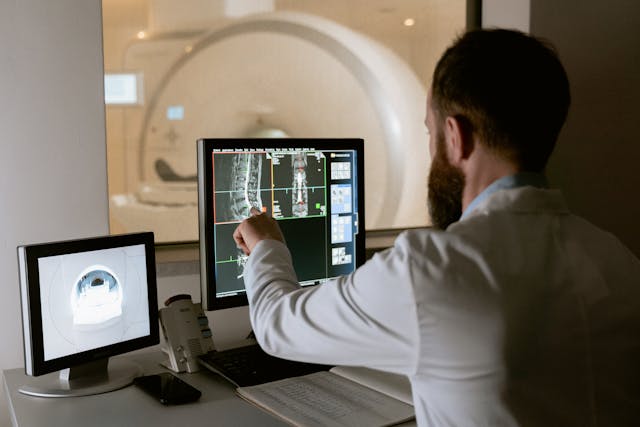
Your bone marrow is the factory that produces oxygen-carrying red blood cells, infection-fighting white blood cells, and platelets, which help prevent bleeding. Cancer can invade this factory outright in the form of leukemias, lymphomas, and metastatic solid tumors. Chemotherapy and some targeted therapies also often end up suppressing the marrow as collateral damage. The result is a “triple threat” onslaught consisting of anemia, neutropenia, and thrombocytopenia. A severe infection in a neutropenic patient can spiral into septic shock even from bacteria that are innocuous in healthy individuals.
Meanwhile, low platelets can turn small bleeds into large ones. This is particularly dangerous if bleeding occurs in the brain or gastrointestinal tract. Supportive measures such as transfusions, growth factors like G-CSF, and antibiotics at the first fever can be lifesaving in the early phases. However, when active cancer and marrow suppression persist together, resources get depleted. When this happens, repeated transfusions start to lose their impact, infections stack up, and the body struggles to recover. That is often the inflection point when teams talk honestly about what the priorities of the patient’s care are. This usually means fewer hospitalizations, more time at home, and implementing various methods of symptom control.
Clots, Strokes, and Hemorrhage
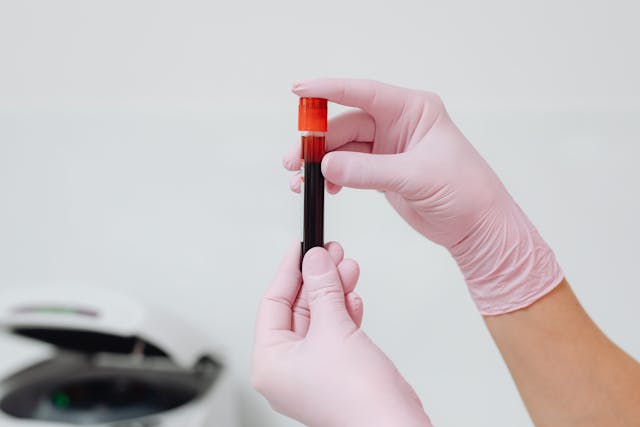
Cancer creates a hypercoagulable state, which means that blood is more prone to clotting. Tumor cells begin to shed pro-coagulant substances and start to inflame the blood vessel linings. The result can be deep-vein thrombosis and clots in the lungs that can cause sudden chest pain and even rapid death. Some cancers, such as pancreatic and gastric cancers, carry especially high clot risks. On the flip side, cancers that erode into blood vessels can lead to serious bleeding, especially in the gastrointestinal tract or brain.
Attempting to manage this vascular tightrope is complicated late in the disease course. Blood thinners may help prevent or treat clots, but they also increase bleeding risk when platelets are particularly low or tumors threaten to bleed. The doctors typically individualize treatment in these cases. Sometimes anticoagulation is appropriate to use, and sometimes it’s withheld. On occasion, reversible measures are chosen to reduce risk without using long-term blood thinners. These decisions are usually based on current bleeding risks, symptoms, and most importantly, the patient’s goals. Clear communication and regular assessments are vital as the balance can shift from one week to another.
The Devastating Effects of Cachexia

Cancer cachexia doesn’t just cause weight loss; it’s a complex metabolic syndrome driven by signals from tumors and inflammation across the body. The person’s appetite disappears, and even when they try to eat something, their bodies struggle to build muscle. The consequences of this are that the diaphragm and respiratory muscles start to weaken, the heart loses all of its strength, and recovery from infections becomes increasingly harder. Cachexia affects about half of people with advanced cancer and contributes directly to a substantial fraction of deaths (especially in gastrointestinal and pancreatic cancers).
Families often desperately try to feed their loved one back to health, but it’s important to understand that cachexia is not starvation and rarely reverses with nutritional intake alone. So, what can potentially help these people, then? Treating nausea, constipation, and mouth sores helps relieve the discomfort associated with eating. Additionally, optimizing pain control, eating small meals, and using appetite stimulants can all help a patient struggling with eating. The goal is to establish a sense of comfort and enjoyment when it comes to eating, not forcing intake that can potentially cause more distress.
When Treatments Harm More than Heal

Treatments can potentially extend a patient’s life and relieve their symptoms. However, they also carry certain risks, especially in the later stages when the body’s reserves are low. Chemotherapy and some targeted drugs suppress bone marrow, irritate the gut, and even significantly weaken nerves and muscles. Radiation aimed near the chest can, over a lifetime, also raise the risk of developing heart and lung problems. For many patients, the intensive regimens may leave them feeling chronic fatigue that never fully disappears.
The most important factor when it comes to cancer treatments is the timing. A therapy that may have made sense months ago could prove troublesome now if it no longer shrinks tumors or the side effects become unbearable. Therefore, high-quality cancer care includes palliative care early to help control the symptoms and help the patients understand the trade-offs. Hospice care becomes the best option when the goal shifts to living the last moments as comfortably as possible. Hospice care can even be provided at home, with nurses and clinicians offering support to both patient and family. Choosing hospice should never be seen as giving up, but rather choosing medical care tailored to prioritizing the patient’s comfort and dignity.
Care in the Last Few Weeks

While no two cancer patients die in exactly the same way, there are patterns clinicians recognize in the final days. People tend to sleep more, eat and drink less, and grow progressively weaker. Breathing can change too, with periods of deeper breaths with pauses, or a noisy “death rattle” sound created from secretions that the patient is too weak to clear. Restlessness and confusion may also appear, especially with infections, organ failure, or the use of certain medications. However, good end-of-life care anticipates these changes, and the patient is provided with low-dose opioids for breathlessness and pain, anticholinergics to dry out secretions, and reassurance that less eating and drinking is to be expected.
Families also usually get some form of coaching on what’s happening physiologically, so fear is replaced by understanding. Clinicians watch closely for reversible problems that are still worth treating and avoid burdensome interventions that are unlikely to actually be of help. The aim is a passing that is as free of suffering as possible, in the place the person prefers, with the people they love.
Coping with Prognosis and Grief

The emotional shock of a terminal prognosis can bring sadness, anger, and even feelings of relief that the uncertainty is ending. There is no “correct” way to feel in these circumstances. Naming emotions and knowing they are a normal part of the process often helps. So does asking the care team for specific supports such as counseling, medications for anxiety, and caregiver training. Open conversations about what matters most now and how to deal with their hopes and fears can all help reduce fear and regrets for everyone involved.
Families often benefit from having practical checklists, such as a power of attorney, a plan for the patient’s pets, and how to deal with their finances. After death, grief often comes in waves, and there is no “right” amount of time to process these emotions. It’s important to remember that reaching out for help is a sign of strength, not failure. There are national resources that can connect you to counselors and support groups. Just know that you are not alone. There is help for symptoms, help for decisions, and help for the heartache that follows a loved one’s passing.
Read More: Leading Risk Factor For Cancer Revealed: It’s Not What We Think
American-based resources you can use right now

American Cancer Society (ACS) 24/7 support line: 1-800-227-2345. Cancer information specialists can discuss treatment effects, rides, lodging, and support.
National Cancer Institute (NCI) Cancer Information Service: 1-800-4-CANCER (1-800-422-6237), LiveHelp chat, email. Reliable information about treatments, trials, and coping—English and Spanish.
988 Suicide & Crisis Lifeline: Dial or text 988 for immediate emotional support any time.
SAMHSA National Helpline: 1-800-662-HELP (4357). Free, confidential help for mental health and substance concerns; links to counseling and grief resources.
SAMHSA
CancerCare: Free counseling by oncology social workers, support groups, resource navigation, and financial assistance (including co-pay help). Call 800-813-HOPE (4673).
Finding hospice and palliative care near you:
Medicare Care Compare: search hospices by ZIP code and review quality data.
National Hospice Locator: maps hospice programs across the U.S., sortable by quality metrics.
CaringInfo (National Alliance for Care at Home): practical guides + provider-finder tools for hospice, palliative, and bereavement services.
Hospice Foundation of America: Education, grief programs, and guidance on whether and when hospice can help.
The Bottom Line on How Cancer Leads to Death

That wraps up our article on how cancer leads to death. Understanding how cancer ends a life is not meant to be morbid; it’s meant to be empowering. Clarity about the various mechanisms explains why symptoms change, why certain treatments help for a time, and why priorities often shift from control to comfort. It helps families shift from feeling like they are giving up to doing what is best for the patient at that moment.
Early palliative care and subsequent hospice care are not last resorts but evidence-based ways to relieve their symptoms, support eating and sleep, and guide families through the hardest conversations. Just as important, grief is not a problem to fix but a process to be navigated with the support of others. If this article is reaching you in the thick of it, take one small step in the right direction. Connect with a counselor, or reach out to one of the resources listed above. There is skilled, compassionate help available for both the body and the heart. In the face of uncertainty, let knowledge steady you, let support surround you, and let love set the terms for the time that remains.
Disclaimer: The author is not a licensed medical professional. The information provided is for general informational and educational purposes only and is based on research from publicly available, reputable sources. It is not intended to constitute, and should not be relied upon as, medical advice, diagnosis, or treatment. Always consult a licensed physician or other qualified healthcare provider regarding any medical condition, symptoms, or medications. Do not disregard, avoid, or delay seeking professional medical advice or treatment because of information contained herein.
A.I. Disclaimer: This article was created with AI assistance and edited by a human for accuracy and clarity.
Read More: Doctor Recommends 7 Foods to Eat More Often as Colon Cancer Rises in Young Adults
Trending Products

Red Light Therapy for Body, 660nm 8...

M PAIN MANAGEMENT TECHNOLOGIES Red ...

Red Light Therapy for Body, Infrare...

Red Light Therapy Infrared Light Th...

Handheld Red Light Therapy with Sta...

Red Light Therapy Lamp 10-in-1 with...

Red Light Therapy for Face and Body...

Red Light Therapy Belt for Body, In...

Red Light Therapy for Shoulder Pain...
