
The Golden Globes usually deliver fashion, awkward jokes, and moments that fade by morning, but this year felt different. When Mark Ruffalo spoke on the red carpet, his words went from Hollywood chatter into national politics almost instantly. Within hours, the White House responded directly, turning a celebrity interview into a full political clash. The exchange pulled in immigration policy, presidential power, and the growing role actors play in public debate. For many viewers, it felt less like awards season and more like a live argument playing out in public.
How the Golden Globes Moment Unfolded
The moment began during red carpet interviews at the Golden Globes. Cameras caught Ruffalo wearing a small “Be Good” pin, a symbol linked to protests over immigration enforcement. When asked about it, he did not dodge the question. Instead, he leaned in and explained why the message mattered to him.
He referenced the killing of Renee Good, a Minnesota woman, during an ICE operation, a case that had already triggered anger and confusion nationwide. Ruffalo framed the pin as a call for moral responsibility, not just a matter of political disagreement. His tone stayed serious, almost frustrated. Reporters tried to move the conversation along, but he kept speaking.
At that point, the interview shifted. What began as a symbolic gesture evolved into a pointed political statement. Viewers watching live could tell this was not rehearsed.
Criticism Aimed at JD Vance and Donald Trump
As the interview continued, Ruffalo named specific leaders. He criticized JD Vance, accusing him of misleading the public about immigration enforcement and federal authority. According to Ruffalo, official language often hides the human cost behind policy decisions. He argued that debates lose meaning when people affected become statistics.
He then turned toward Donald Trump, using language that shocked even seasoned entertainment reporters. Ruffalo accused Trump of acting without moral limits and described his leadership in extreme terms. Some remarks crossed from opinion into accusation, including claims that have no basis in criminal charges or court rulings.
Because the interview aired live and spread quickly online, the comments reached far beyond entertainment audiences. Clips circulated within minutes, and reactions followed just as quickly.
The White House Responds Publicly
Within hours, the White House communications team issued a response. A senior spokesperson dismissed Ruffalo’s remarks as reckless and untrue. The statement focused less on policy details and more on attacking the actor’s credibility.
That response escalated the story. Rather than staying confined to celebrity news, it landed in political headlines. Either way, the response confirmed that Ruffalo’s words had struck a nerve.
Hollywood has always brushed up against politics. Social media gives actors direct access to millions of followers. A short red carpet clip can now reach more people than a formal press briefing. Because of that reach, celebrity comments often shape public conversation, even when they lack policy detail.
In this case, Mark Ruffalo tapped into ongoing debates about immigration and accountability. While he holds no office, his platform allowed him to frame the issue emotionally. Emotional framing drives engagement far more than legal nuance. That reality frustrates policymakers, but it also reflects how modern media works.
Other Actors Weigh In
Ruffalo is not the only actor willing to speak publicly about politics. Over the past few years, award shows and interviews have become platforms for political expression. Some actors defended Ruffalo’s right to speak freely, even if they disagreed with his tone. They argued that silence can feel like approval when lives are lost.
Others urged caution. One actor suggested that extreme language weakens serious arguments. Another noted that public trust erodes when accusations drift beyond verified facts. These mixed reactions show how divided Hollywood itself has become. There is no unified celebrity stance anymore.
What connects many of these voices is a belief that art and society overlap. Actors often say storytelling carries responsibility. Critics respond that acting skill does not equal policy expertise. That tension has only grown over time.
Fact Versus Rhetoric in the Debate
A major issue in the backlash involved accuracy. Ruffalo’s harshest claims about Trump included accusations unsupported by legal findings. While Trump has faced civil judgments and ongoing legal scrutiny, no court has convicted him of the crimes implied in Ruffalo’s remarks.
That distinction matters. Political speech enjoys broad protection, but public figures still face scrutiny when statements blur fact and allegation. The White House focused on that gap, framing Ruffalo’s comments as misinformation rather than opinion.
Supporters countered that Ruffalo was expressing moral judgment, not legal analysis. They argued emotional language reflects frustration shared by many Americans. This back and forth highlights how facts and feelings often collide in public debate.
Immigration Policy at the Center of the Clash
Immigration policy remained the emotional core of the controversy. Ruffalo referenced a specific death linked to an ICE operation, a real event under investigation. Advocates say such cases reveal deeper systemic problems. Officials respond that enforcement actions follow legal mandates and that individual tragedies should not define an entire system.

By raising the issue at the Golden Globes, Ruffalo forced viewers to confront it in an unexpected space. Award shows usually feel insulated from policy consequences. This moment broke that barrier, and reactions reflected that discomfort.
Online reaction split fast along political lines. Some users praised Ruffalo for speaking boldly, calling his comments brave. Others criticized him for reckless exaggeration. Hashtags supporting and condemning him trended within hours.
Interestingly, many posts focused less on immigration and more on whether celebrities should comment on politics at all. That question resurfaces every election cycle. Yet the continued attention shows audiences still care what famous figures say, even when they claim otherwise.
Read More: Inside Trump’s Most Debated Executive Orders of 2025
What This Means for Mark Ruffalo
For Mark Ruffalo, the incident reinforced his image as an outspoken activist. He has a long history of environmental and social advocacy, so the stance itself was not new. The scale of the response was. Whether it strengthens his influence or limits it remains unclear.
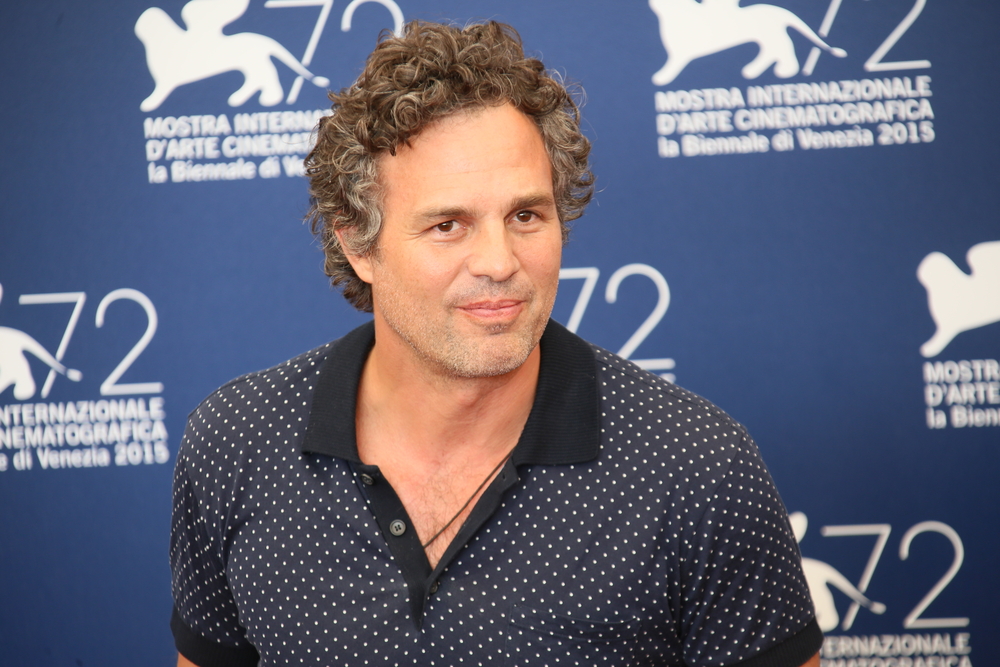
What is clear is that the line between entertainment and politics keeps thinning. A red carpet interview can now trigger an official government response within hours.
Beyond Ruffalo
This clash reflects a larger shift in public discourse. Celebrities now act as informal messengers, sometimes filling gaps left by traditional media. Governments respond faster and more publicly than before. That feedback loop creates larger debates.
For audiences, the challenge is separating emotion from evidence. Passion can highlight injustice, but facts still matter. As long as award shows double as political stages, moments like this will keep happening.
A.I. Disclaimer: This article was created with AI assistance and edited by a human for accuracy and clarity.
Read More: Minnesota Can Prosecute the ICE Shooter. A Trump Pardon Wouldn’t Stop It
Trending Products

Red Light Therapy for Body, 660nm 8...

M PAIN MANAGEMENT TECHNOLOGIES Red ...

Red Light Therapy for Body, Infrare...

Red Light Therapy Infrared Light Th...

Handheld Red Light Therapy with Sta...

Red Light Therapy Lamp 10-in-1 with...

Red Light Therapy for Face and Body...

Red Light Therapy Belt for Body, In...

Red Light Therapy for Shoulder Pain...
