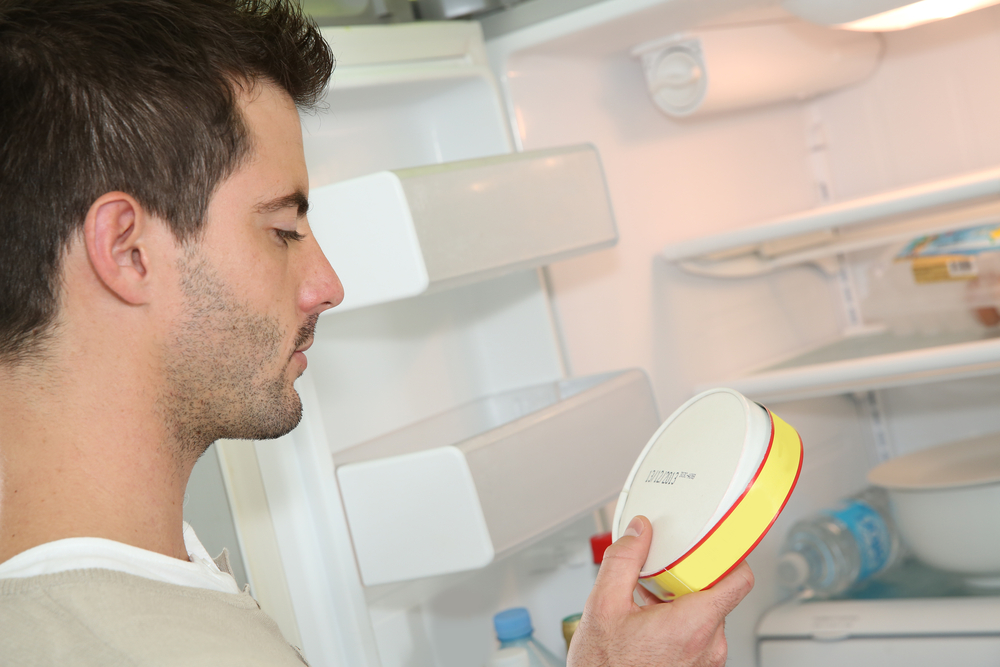
The latest cheese recall has drawn national attention after federal regulators warned that a popular dairy product may carry a potentially fatal bacteria. While recalls happen often, this one feels different. Officials moved fast and used strong language, which caused many shoppers to pause mid-grocery trip. As a result, people are now checking refrigerators, old shopping bags, and even recipe notes from last month.
Why This Recall Is Raising Serious Alarms
Unlike routine food warnings, this recall involves Listeria monocytogenes, a bacterium known for causing severe illness. Because of that, the U.S. Food and Drug Administration classified it as a Class I recall. That level means there is a real chance the product could cause serious harm or even death.
Class I recalls do not happen every week. They signal that regulators believe the risk is urgent. Therefore, even people who feel fine should not brush this off. Listeria infections often start quietly and then worsen without much warning.
At the center of this cheese recall is grated Pecorino Romano produced by the Ambriola Company. The cheese was sold under several familiar brand names and shipped across many states. Because grated cheese is used lightly, people may forget they even bought it.
Which Cheese Products Are Affected
According to official notices, the affected products include pre-grated Pecorino Romano sold nationwide. Some packages carried well-known labels such as Boar’s Head, along with store brands and private labels. All of them came from the same production facility, which raised concerns about shared equipment.
Most of the recalled items were sold in plastic tubs or resealable bags. They often sit next to shredded Mozzarella or Parmesan. Since expiration dates extend well into 2026, many packages may still be in home fridges right now.
This wide distribution explains why the cheese recall matters even to people who do not buy specialty foods. Pecorino Romano is common in pasta dishes, soups, and salads. It gets sprinkled on meals almost without thinking.
How Listeria Contamination Happens
Listeria is unusual because it survives in cold environments. Refrigeration slows many bacteria, but not this one. That trait makes dairy facilities vulnerable if sanitation slips even briefly.
Contamination may occur through shared surfaces, cutting tools, or packaging machines. Once Listeria takes hold, it can linger for months. Because of that, regulators act quickly when tests come back positive.
So far, no confirmed illnesses have been publicly tied to this recall. Still, that does not mean the danger is low. Symptoms can take weeks to show up. This delay makes outbreaks harder to trace and easier to underestimate.
Who Faces the Highest Health Risk
Most healthy adults might experience mild symptoms such as fever or stomach upset. However, the danger rises sharply for certain groups. Pregnant people face risks of miscarriage or stillbirth. Older adults and those with weakened immune systems are also at higher risk.
Doctors explain that listeriosis can spread beyond the gut. In severe cases, it reaches the bloodstream or brain. When that happens, hospitalization becomes likely. Some cases do turn fatal, especially when treatment starts late.

Because of these outcomes, health officials urge consumers not to taste or cook recalled cheese. Heat may kill the bacteria, but handling the product still risks cross-contamination. For that reason, disposal remains the safest choice.
What Consumers Should Do Right Now
If you think you bought one of the recalled products, do not eat it. Seal it in a bag and throw it away, or return it if the store allows refunds. After that, wash your hands and clean any surfaces the cheese touched.
The FDA maintains an updated page with detailed product information, including brand names and distribution details. Consumers can visit the FDA recall notice directly here:
People who have already eaten the cheese should watch for symptoms. These may include fever, muscle aches, nausea, or confusion. Anyone in a high-risk group should contact a healthcare provider quickly if symptoms appear.
Early treatment matters. Antibiotics work best when given soon. Waiting too long can make infections harder to control. This step alone can change outcomes.
How Regulators Decide When to Upgrade a Recall
Not every recall starts at the highest level. In many cases, companies first issue voluntary notices while investigations continue. Over time, regulators may adjust the classification based on new data.
In this case, the FDA reviewed test results and production records. After that, they upgraded the situation to Class I. That decision signals strong concern, not speculation. It also pushes the issue into national awareness.
This process helps explain why some recalls feel sudden. What looks like an overreaction is often the final step in a longer review. By the time the public hears about it, officials already see a pattern.
Why Grated Cheese Poses Extra Risk
Grated cheese has more surface area than solid blocks. That makes it easier for bacteria to spread during processing. It also increases contact with air, tools, and packaging equipment.
Once opened, grated cheese often stays in the fridge for weeks. People grab a pinch, close the bag, and move on. This habit makes it harder to notice spoilage or recall labels.
Because of that, grated products often show up in recall notices. The format itself adds complexity, even when the milk source is safe.
Read More: Recall Alert: Salmonella Outbreak Linked to Eggs Leaves 63 Ill and 13 Hospitalized
Lessons for Shoppers Moving Forward
Food recalls are unsettling, but they also highlight the importance of staying informed. Checking recall alerts once a week can make a difference. Keeping original packaging until food is used up can help too.
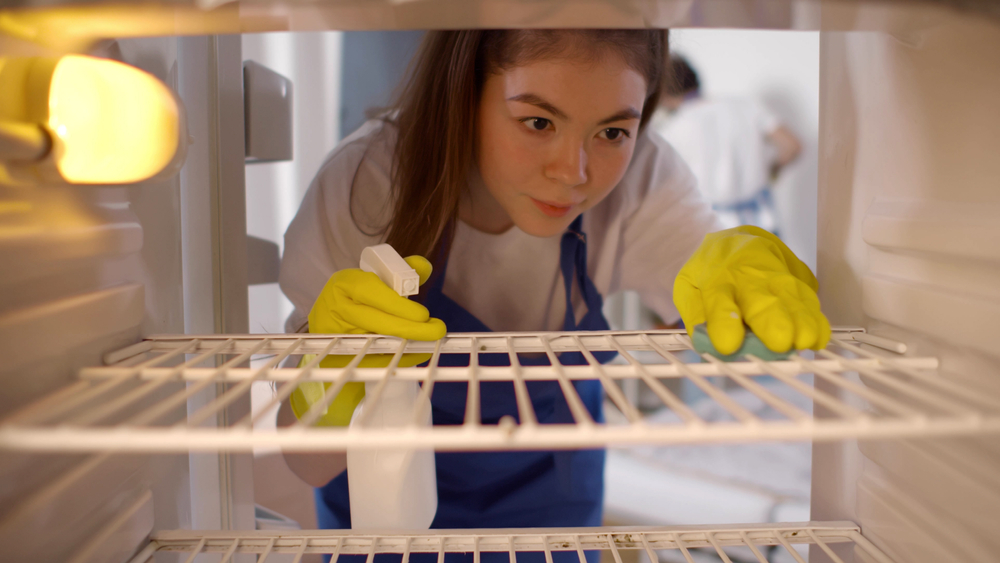
It also helps to clean refrigerators regularly. Old spills and crumbs create hiding places for bacteria. While this does not prevent recalls, it lowers everyday risk.
Most importantly, consumers should trust recall warnings. Ignoring them rarely ends well. The cost of replacing cheese is small compared to the cost of illness.
Closing Thoughts
This nationwide cheese recall shows how quickly a familiar food can turn into a health concern. It also shows how complex food safety systems really are. From factories to fridges, every step matters.
While no outbreak has been confirmed, the risk remains real. Paying attention now can prevent serious harm later. In the end, food safety depends on shared responsibility, from producers to shoppers, and everyone in between.
A.I. Disclaimer: This article was created with AI assistance and edited by a human for accuracy and clarity.
Read More: FDA Issues Nationwide Recall of Popular Blood Pressure Drug, Impacting Over 11,000 Bottles
Trending Products

Red Light Therapy for Body, 660nm 8...

M PAIN MANAGEMENT TECHNOLOGIES Red ...

Red Light Therapy for Body, Infrare...

Red Light Therapy Infrared Light Th...

Handheld Red Light Therapy with Sta...

Red Light Therapy Lamp 10-in-1 with...

Red Light Therapy for Face and Body...

Red Light Therapy Belt for Body, In...

Red Light Therapy for Shoulder Pain...
