
The case involving a former BLM pastor in Oklahoma has slowly turned into something much bigger than most people expected. What started as a community-focused effort tied to social justice now sits at the center of a serious federal fraud case. Prosecutors say donor money meant for bail support and legal help was used very differently. According to court filings, that money helped fund a lifestyle filled with property purchases, steady travel, and years of personal spending that few donors ever knew about.
At the center of the story is Tashella Sheri Amore Dickerson, a pastor and organizer who once spoke publicly about equality and reform. Today, she faces federal charges tied to millions of dollars that donors believed would help others. Instead, prosecutors argue, the funds helped support a life far removed from protest bail funds or grassroots aid.
From Activism to Allegations
After the BLM protests of 2020, donations flooded into local justice groups across the country. Emotions were high, and many people gave quickly, sometimes without asking many questions. One of those groups was Black Lives Matter Oklahoma City, commonly referred to as BLM OKC. Supporters believed their money would help protesters make bail and receive legal support.
According to federal investigators, that trust slowly became the foundation for years of misuse. Donations and returned bail funds were allegedly placed into accounts controlled by Dickerson. Over time, prosecutors say, the money stopped serving a public mission and was instead supporting a private lifestyle.
This change did not happen all at once. It unfolded quietly, almost invisibly. Checks were deposited, and reports were submitted. Meanwhile, the gap between public messaging and private spending grew wider, year by year.
The Money Trail Investigators Followed
At the heart of the case sits a number that appears again and again, $3.15 million. Prosecutors say much of that amount came from returned bail funds. In most bail systems, when defendants show up to court, the money comes back. That money is supposed to be reused to help others.
Instead, investigators allege those returned funds ended up in personal accounts. From there, spending followed a familiar pattern. Federal records describe years of transactions tied to housing costs, travel bookings, food deliveries, and retail purchases. None of these expenses looked illegal on their own. Taken together, they told a very different story.
Prosecutors also point out timing. While these expenses continued, fundraising messages also continued. Donors were still told their money supported justice work. That overlap is a central part of the fraud allegations and will likely be debated heavily in court.
Bail Funds and How They Normally Work
To understand why this case drew federal attention, it helps to understand how bail funds usually work. Bail funds exist to help people who cannot afford bail get released while awaiting court dates. The system relies on trust and careful recycling of money. When a person shows up for court, the bail is returned. The returned money is then used to help someone else.
Most bail funds operate with strict internal tracking, where every dollar has a paper trail. Returned bail funds are not treated as new income. They are treated as restricted money that must stay within the bail system. That is what keeps the fund alive over time.
Because of this structure, returned bail funds are closely monitored. When that money is redirected elsewhere, even slowly, it creates serious legal concerns. Prosecutors argue that misuse of returned bail funds undermines the entire purpose of these programs. In this case, the alleged misuse is tied directly to BLM fundraising claims, which is why the financial trail matters so much.
A Lifestyle Far From the Mission
One of the most eye-catching parts of the case involves how prosecutors say the money was spent. According to court documents, Dickerson traveled frequently to the Caribbean. Trips to Jamaica and the Dominican Republic appear repeatedly in the records. These trips were not tied to organizing or community work, at least according to investigators.
Beyond travel, the spending extended into everyday life. Authorities allege the funds were used for large grocery delivery bills, regular shopping expenses, and even a personal vehicle. None of these purchases was connected to bail efforts or nonprofit programming.
Housing also plays a major role in the case. Investigators claim Dickerson acquired or controlled several properties in the Oklahoma City area. Some properties were allegedly held in her name. Others were tied to entities she controlled. Prosecutors argue these acquisitions had no connection to any social justice mission.
Defense arguments will unfold in court. Still, the prosecution narrative is clear. They say donor money created comfort and security, not change.
BLM OKC did not operate as an independent nonprofit. Instead, it functioned under a fiscal sponsor, which allowed the group to accept tax-deductible donations. In exchange, the organization had to follow strict rules and submit accurate reports.
Federal prosecutors say those safeguards failed. Annual reports submitted to the sponsor allegedly claimed the money was used for charitable purposes. Investigators argue those statements were false. They say the reports hid personal spending behind nonprofit language.
This part of the case highlights a larger issue in nonprofit oversight. Fiscal sponsorship depends heavily on honesty. When self-reporting breaks down, misuse can continue for years without anyone noticing.
Because of that, this case now raises questions far beyond one person. It forces a closer look at how fast-growing activist groups handle sudden financial growth.
The Ripple Effect on Local Organizing
While the charges focus on one individual, the impact spreads far wider. Local organizers often feel the consequences first. After high-profile cases like this, donors tend to hesitate. Even honest groups face harder questions and tighter scrutiny.

Image credit: Shutterstock
For volunteers and community leaders who were not involved, the situation can feel unfair. They may still believe deeply in the cause but struggle to separate their work from the headlines. Some organizers report spending more time explaining finances than organizing events.
There is also an emotional toll. Trust within communities can weaken, and people begin to question leadership more openly. While accountability is important, the atmosphere can become tense. For local BLM efforts and similar movements, rebuilding trust becomes just as important as continuing the mission itself.
How Investigations Like This Typically Begin
Cases like this rarely start with a single red flag. Instead, they usually begin quietly. Sometimes it starts with reporting irregularities. Other times, it begins when a fiscal sponsor notices numbers that do not line up. In some situations, former volunteers or insiders raise concerns after leaving an organization.
Federal investigations often take years. Financial records must be collected, verified, and compared across time. Investigators look for patterns, not isolated mistakes. They track deposits, withdrawals, and transfers, then compare them to public claims and internal reports.
In alleged nonprofit fraud cases, intent is critical. Prosecutors must show that money was knowingly used in ways donors were not told about. That is why these cases move slowly. Every transaction needs context. In situations involving BLM related organizations, investigators are especially careful due to public scrutiny and political attention.
Federal Charges and What Comes Next
The indictment includes multiple counts of wire fraud and money laundering. Each charge carries serious penalties. If convicted, Dickerson could face decades in prison. Still, she is presumed innocent until proven guilty.
As the case moves forward, prosecutors must prove intent and deception. Defense attorneys are expected to challenge how the funds were classified and whether some expenses were allowed. They may argue that compensation or reimbursements were misunderstood.
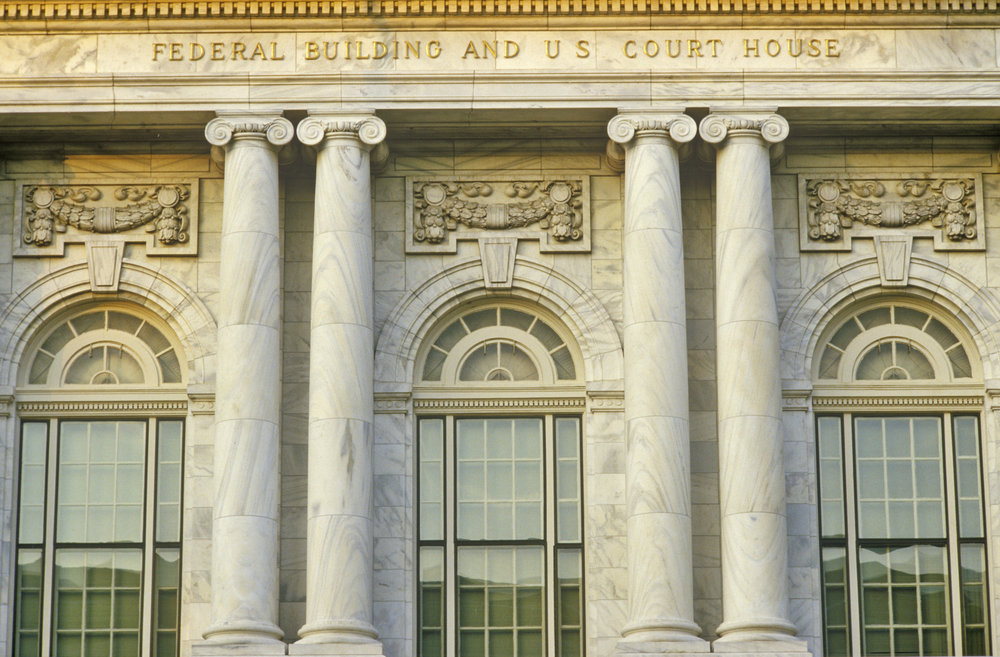
No matter the outcome, the trial will likely expose more details. Financial records, emails, and internal communications could become public. Each new detail may shift public perception again.
Read More: The Story of Henrietta Lacks: How a Medical Miracle Was Born from Injustice
A Moment of Reckoning for Donor Trust
For many donors, the case feels personal. People gave money believing it would help strangers secure freedom or legal help. Learning that funds may have supported travel or property purchases creates frustration and anger.
This situation also acts as a warning. Emotional moments often drive donations. While generosity matters, oversight matters too. Transparency protects both donors and the causes they care about.
As the case unfolds, it may influence how future movements manage money. Stronger audits, clearer compensation rules, and better reporting could come from this fallout.
Closing Thoughts
The $3.15 million embezzlement case involving a former BLM pastor is not just about money. It is about trust, responsibility, and accountability. Prosecutors argue that donor goodwill funded a lifestyle far removed from the group’s stated goals. The defense will respond, and the courts will decide what happens next.
Still, the broader message is already clear. Causes built on justice must reflect those values in every detail, including finances. When they do not, the damage extends far beyond a single headline.
Images Disclaimer: Stock images in this article are used for illustrative purposes only. Some images may represent general locations or themes discussed but do not necessarily depict the exact events, locations, or situations described.
A.I. Disclaimer: This article was created with AI assistance and edited by a human for accuracy and clarity.
Read More: ‘Jingle Bells’ Faces Fresh Criticism After Joy Reid Amplifies Viral ‘Racist’ Claims
Trending Products

Red Light Therapy for Body, 660nm 8...

M PAIN MANAGEMENT TECHNOLOGIES Red ...

Red Light Therapy for Body, Infrare...

Red Light Therapy Infrared Light Th...

Handheld Red Light Therapy with Sta...

Red Light Therapy Lamp 10-in-1 with...

Red Light Therapy for Face and Body...

Red Light Therapy Belt for Body, In...

Red Light Therapy for Shoulder Pain...
