
For a long time, the internet made a simple promise. You either paid with money or paid with attention. Recently, that promise has become less clear. Subscription prices continue to rise, ads now appear in unexpected places, and users are starting to ask tougher questions. Is ad-free content still worth paying for, or is it slowly turning into a luxury that only some people truly need?
At the same time, platforms face pressure from every direction. Growth has slowed, content costs continue to rise, and competition is pervasive. As a result, companies are rethinking how they charge users. Some reintroduce advertising into paid plans, while others lean more heavily on premium pricing. Most now try a mix of both approaches. This shift reflects how people actually behave online today, rather than how platforms once hoped they would behave.
How Subscriptions Became the Default Model
In the early years of the internet, advertising paid for almost everything. Websites relied on banners, pop-ups, and later video ads to survive. Over time, these ads became more aggressive. Pages loaded slowly, tracking expanded, and users became increasingly aware of how much data they were giving up.
As a result, ad blockers became common. Publishers lost revenue almost overnight. That pressure created an opening for subscriptions. Paying a monthly fee felt cleaner and more transparent. In return, users expected smoother experiences and fewer distractions.
Streaming services pushed this shift forward. Netflix built its reputation on uninterrupted viewing. No commercials, no schedules, and no waiting. That experience reshaped expectations. Soon, news outlets, fitness apps, and productivity tools adopted similar models.
For a while, subscriptions felt like the future. Companies enjoyed predictable income. Users reported greater control. Advertisers reallocated their budgets to social platforms. On the surface, the system seemed stable.
Why Ad-Free Experiences Are Under Pressure
Eventually, cracks began to show. Households signed up for more services than they could comfortably afford. Each platform raised prices bit by bit. Over time, even small increases became noticeable.
Meanwhile, content costs surged. High-quality series, live sports rights, and exclusive licensing deals require massive budgets. In many cases, subscription revenue alone no longer covers those expenses.

Because of that, ads returned, but in a different form. Instead of forcing ads on everyone, platforms introduced cheaper tiers. Users could pay more for ad-free content or pay less and accept limited interruptions.
Many users chose the cheaper option without much hesitation. They did not feel tricked. In fact, many felt relieved. The lower price made the trade-off feel reasonable.
Streaming Leads the Hybrid Shift
Streaming platforms illustrate this change more clearly than any other sector. Almost every major service now offers an ad-supported tier. These plans are no longer experimental and play a central role in growth.
Services like Disney+ and Hulu report strong demand for lower-priced options. Notably, many of these subscribers are new customers. They are not downgrading, but rather joining because the price feels accessible. This shows ads expand the audience rather than diminish it. People who would never pay full price still want access to content.
At the same time, premium tiers remain available. Viewers who value immersion continue to pay for ad-free content. The key difference now is flexibility. Platforms no longer assume everyone wants the same experience.
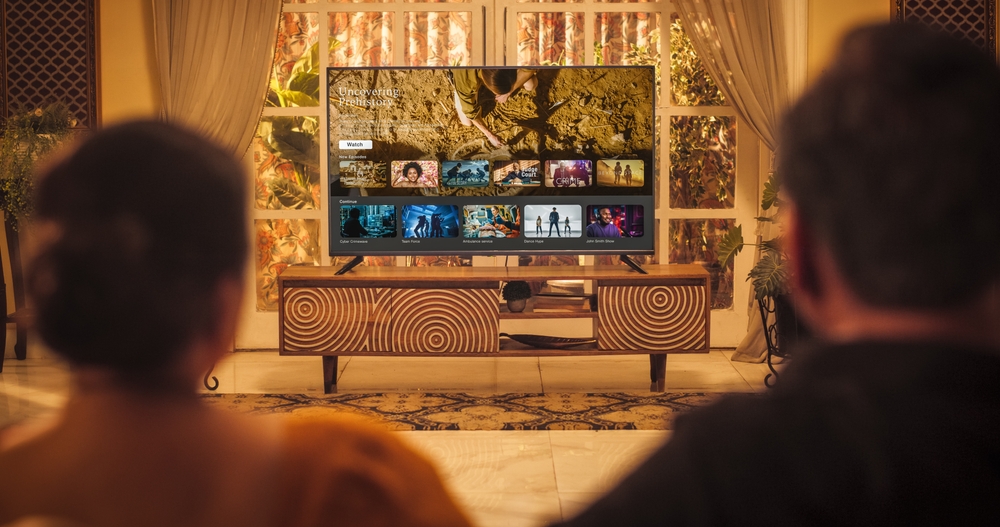
Image credit: Shutterstock.
Interestingly, social platforms are moving in a different direction. Instead of adding ads, some now offer ways to remove them.
Platforms like YouTube and Meta have tested paid options that reduce or eliminate advertising. These plans appeal to users who feel overwhelmed or uncomfortable about tracking and data collection.
This creates an unusual contrast. Streaming services add ads to grow. Social platforms sell relief from ads to stabilise revenue and improve trust. Still, both strategies respond to the same reality. Attention is limited, and patience is thinner than before.
For users, this can feel inconsistent. In one space, you pay to escape ads. In another, you accept ads to save money. Even so, both approaches reflect shifting expectations.
What Science Says About Ad Tolerance
Research in psychology and media studies helps explain why hybrid models work. Human attention is limited, and frequent interruptions increase stress and reduce enjoyment.
However, not all ads trigger the same reaction. Short and predictable breaks feel less disruptive. Ads that match the surrounding content also feel less intrusive. Relevance matters, although privacy concerns complicate targeting.

This explains why modern ad-supported tiers carefully limit ad volume. Many cap total minutes per hour. Some avoid mid-scene interruptions entirely.
In this environment, ad-free content becomes a premium feature rather than a default expectation. Users who value focus are more willing to pay. Others feel comfortable trading attention for savings.
Advertisers Adjust to a Fragmented Landscape
From an advertising perspective, these shifts bring both opportunity and complexity. Ad-supported streaming offers high-quality environments with engaged audiences. Compared to traditional television, measurement is often clearer.
At the same time, audiences fragment. Some viewers stay behind paywalls. Others rotate subscriptions frequently. As a result, reach becomes harder to predict.
Because of this, advertisers diversify their strategies. Branded content grows in importance, influencer partnerships carry more weight, and first-party data becomes essential as cookies fade.
In an unexpected way, the growth of ad-free content in some areas forces brands to become more creative elsewhere.
Consumers Redefine What Value Means
Perhaps the most significant change comes from consumers themselves. People no longer define value purely by the absence of ads. Instead, they weigh time, cost, and relevance together.
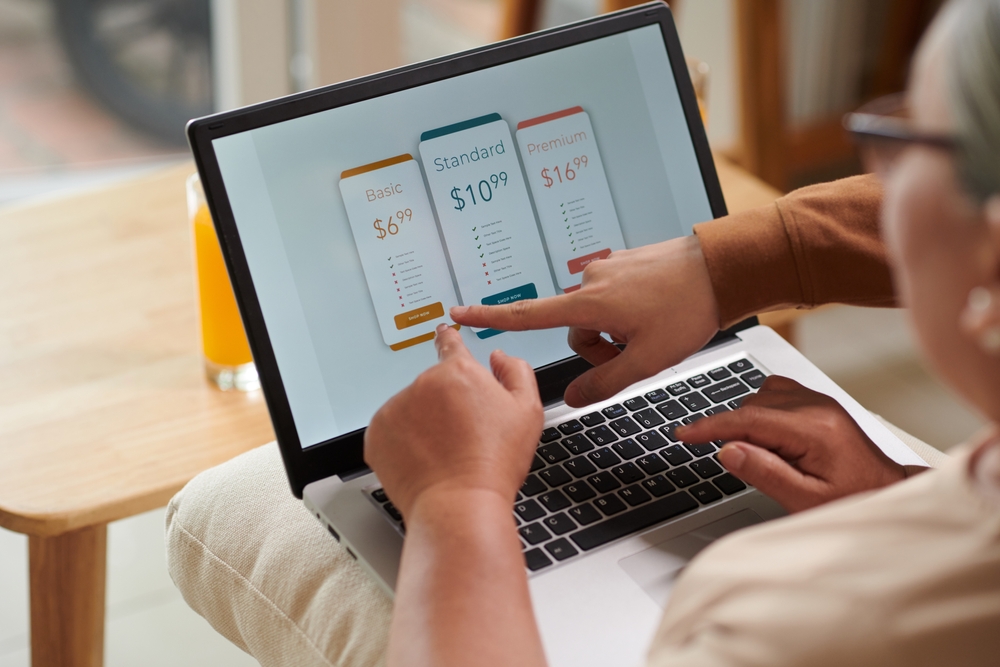
Image credit: Shutterstock.
A cheaper plan with light ads may feel fair. A high-priced plan without ads may feel excessive. The perception of value depends on habits. Casual viewers accept ads more easily. Heavy users often do not.
This explains why tiered pricing works. It gives users control while reducing cancellations. Instead of leaving entirely, many people simply downgrade. As a result, ad-free content becomes one option among many rather than the assumed standard.
Younger Audiences Are Changing the Rules
Younger users approach subscriptions differently. Many grew up surrounded by ads and algorithm-driven feeds. Because of that, ads feel normal rather than offensive.
Gen Z, in particular, often prioritises access over polish. They may accept ads if they keep costs low or unlock social features. For them, convenience matters more than perfection.
This does not mean younger audiences dislike ad-free content. Instead, they treat it as optional. They may pay for it during heavy usage periods, then downgrade later. Platforms now design plans with this flexibility in mind, knowing loyalty looks different for younger users.

Subscription Churn and the Rise of Pause Culture
Another important shift involves how people manage subscriptions. Instead of cancelling permanently, many users pause or rotate services.
Someone might subscribe to watch a single show, then leave once it ends. Later, they return for another release. Platforms have noticed this behaviour and adapted.
Pause options, downgrade paths, and retention offers all aim to keep users within the ecosystem. Hybrid tiers help by offering lower-cost options rather than forcing an exit. This behaviour reinforces the idea that subscriptions are no longer fixed commitments.
Read More: Streaming Platforms Face New California Law Restricting Ad Loudness: ‘Finally Some Quiet’
Bundles and Cross-Platform Deals Gain Momentum
Looking ahead, bundles may soften resistance to ads even further. Telecom companies, device makers, and employers already bundle subscriptions into broader plans.
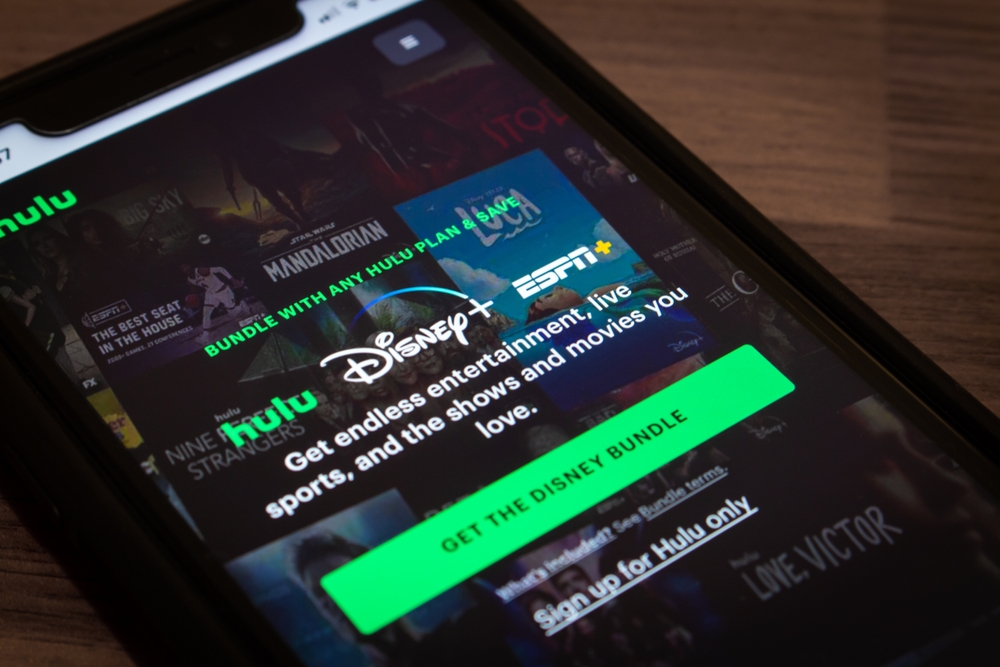
When a streaming service feels included rather than purchased, ads feel less intrusive. The perceived value rises, even if the experience includes interruptions. These bundles may shape the next phase of paid subscriptions, especially as individual prices climb.
Closing Thoughts
Paid subscriptions are no longer about purity. They are about choice and balance. The return of ads does not signal the end of premium experiences. It signals a more realistic market.
Ad-free content still matters and still holds value, but it simply no longer defines the entire ecosystem.
In the years ahead, the most successful platforms will not force users to pick sides. Instead, they will let people decide again and again what their attention is worth.
A.I. Disclaimer: This article was created with AI assistance and edited by a human for accuracy and clarity.
Read More: Why Everyone’s Talking About Switching Back to Old Tech in 2026
Trending Products

Red Light Therapy for Body, 660nm 8...

M PAIN MANAGEMENT TECHNOLOGIES Red ...

Red Light Therapy for Body, Infrare...

Red Light Therapy Infrared Light Th...

Handheld Red Light Therapy with Sta...

Red Light Therapy Lamp 10-in-1 with...

Red Light Therapy for Face and Body...

Red Light Therapy Belt for Body, In...

Red Light Therapy for Shoulder Pain...
