
Most people blame meat first when food poisoning hits. Chicken, ground meat, and sausages seem like the obvious suspects, since everyone has heard the warnings about undercooking and cross-contamination. Yet the real troublemaker often seems harmless, even healthy. It is the food many people pile onto sandwiches, tuck into wraps, and call a “light meal” when they want to be good. Leafy greens, including lettuce, spinach, and mixed salad leaves, repeatedly appear in outbreak investigations and illness estimates, sometimes exceeding meat in total cases. That sounds backwards until you picture how salads are usually eaten. A steak meets a hot pan. Chicken gets roasted.
Even ground meat is often cooked until no pink remains. Leafy greens often skip that final safety step, since they are meant to be eaten raw. If pathogens hitch a ride from field water, wildlife, contaminated equipment, or poor handling during packing, they can reach a plate without heat to stop them. Modern supply chains can raise the stakes, too. One batch can be chopped, mixed, and shipped across wide areas, which means a single contamination event can touch far more people than anyone expects. This is why the most unexpected food can also be the one most likely to cause food poisoning. The chapters ahead break down why leafy greens are so vulnerable, which germs drive these outbreaks, and how to keep salads safer without giving them up.
Leafy Greens: The Food Most Likely to Cause Food Poisoning
If the goal is to name the food most likely to cause food poisoning, leafy greens keep showing up. In food attribution work, leafy vegetables account for a large share of illnesses. That does not mean every salad is dangerous. It means that, across the whole food system, leafy greens contribute a large share of illness events. Produce accounts for a big portion of illnesses overall, with norovirus playing a major role.
Consumer recall analyses also tend to land on the same culprit. In one recall-focused analysis, outbreaks traced to leafy greens were responsible for the most deaths in that review. That framing is about recall and outbreak outcomes, not daily risk per bite. Still, it helps explain why the “unexpected food” headline keeps coming back to greens. A burger looks risky, so people cook it hard. A salad looks harmless, so people eat it quickly, raw, and often straight from a bag.
How Leafy Greens Get Contaminated Before You Buy Them
Contamination often starts far upstream, long before a kitchen cutting board enters the story. Leafy greens grow close to the ground and are repeatedly sprayed, splashed, and handled during harvest. Water is a constant thread, from irrigation to rinsing to cooling. As the U.S. Congressional Research Service states, “Microbial hazards may be introduced through agricultural and processing water.”
Animals also play a role, especially where fields sit near grazing land or wildlife corridors. A single intrusion can leave behind contamination that is hard to spot by sight or smell. Worker hygiene and equipment cleanliness matter too, because leafy greens get touched more than many foods. Unlike a whole melon or an orange, salad leaves have many folds and surfaces that can hold onto microbes. Then the system amplifies small problems. When greens from multiple fields get combined for a large run, a tiny contamination event can become a wide distribution issue.
Bagged Salads: Convenience That Can Raise the Stakes
Bagged salads and pre-cut mixes solve a real problem. They make vegetables easy, fast, and more likely to get eaten. However, they also introduce steps, and each step is another opportunity for contamination or spread. When facilities chop, wash, spin, and pack greens at speed, they must keep water systems and contact surfaces under tight control. If a batch enters the line with contamination, the process can spread it across a much larger volume.
Outbreak summaries show why packaged leafy greens draw so much attention. Investigators have linked multiple multistate outbreaks to packaged leafy greens consumption, including products like spinach, romaine, power greens blends, and packaged salads. The point is not that bags are “bad.” The point is scale. Bagged salads are designed for wide distribution, so the impact of a failure can be bigger. If someone wants to reduce risk without giving up greens, cooking leafy vegetables more often is a simple lever.
The Germs That Drive These Outbreaks
Food poisoning is not one illness, and leafy greens can carry more than one threat. E. coli outbreaks grab headlines, yet viruses often drive sheer case counts. One CDC estimate states, “46% of illnesses linked to leafy vegetables were caused by norovirus.” Norovirus spreads easily, so one weak link in hygiene can affect many people. That can happen in harvesting crews, packing facilities, restaurants, or home kitchens.
Bacteria remain part of the story, too. Many multistate outbreaks are caused by Campylobacter, E. coli, Listeria, and Salmonella. Leafy greens have been implicated in outbreaks involving STEC E. coli and Listeria, among others. These pathogens differ in severity and who they hit hardest, but they share one key feature. Heat kills them, and raw salads do not provide heat. That is why leafy greens can outrank meat for illness counts, even when meat remains a leading concern for severe outcomes.
Safer Salads at Home: Practical Steps That Actually Help
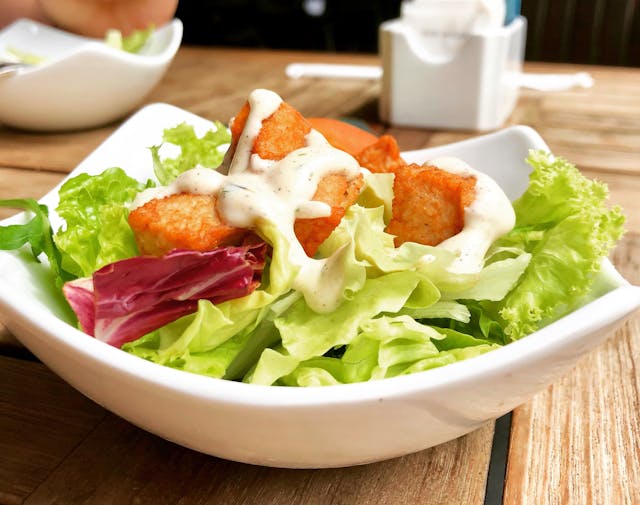
Home kitchens cannot fix contamination that starts in a field, but they can avoid making it worse. First, separate tasks. Do not prep salad on a board that held raw meat, and do not reuse knives without washing. Cross-contamination is one of the most common causes of food poisoning at home, because it moves germs from a risky item to a ready-to-eat one.
Second, handle greens based on what they are. Unwashed fresh fruits and vegetables, including lettuce and other leafy greens, can be a higher risk choice for people who need extra protection. For whole heads of lettuce and bunch greens, rinse under running water, remove damaged outer leaves, and dry with a clean spinner. For bagged greens labeled ready to eat, re-washing can add new contamination from sinks and hands, so the bigger win is keeping them cold and using clean tools. Restaurants face the same issue, since leafy greens are fresh produce that is eaten without cooking. Finally, watch the time and temperature. Keep greens refrigerated, and do not let prepared salads sit warm on a counter.
Meat Still Matters: Why Chicken Can Trigger Food Poisoning Fast
Leafy greens may top illness estimates, yet meat still causes many severe outcomes, especially when handling slips. Chicken is a classic example because raw juices spread easily. Raw chicken can contain foodborne germs that can make you sick. The risk often comes from surfaces, not the chicken itself. If raw chicken juice touches salad ingredients, the salad becomes the delivery system.
A related myth also causes trouble. People rinse chicken in the sink, then assume they removed germs. Public health guidance warns that raw chicken does not need washing, and it highlights how easily juice spreads. CDC also notes, “a single drop of juice from raw chicken can contain enough Campylobacter to cause an infection.” Cook chicken fully and keep prep areas separate. Those two habits cut risk more than any special wash. Meanwhile, keep leafy greens in their lane too, since they often get eaten raw and will not forgive cross-contamination.
Other Surprising High-Risk Foods
Once you start looking at causes of food poisoning, the list gets wider than meat and salad. Flour is a big surprise for many households, especially during baking season. Uncooked flour and raw eggs can contain germs that can make you sick. Food safety agencies also note that most flour is a raw food and has not been treated to kill bacteria it may contain. That is why raw batter tastes can cause illness, even when eggs are not the only issue.
Raw sprouts also deserve caution because their growing conditions help germs multiply. Safer food guidance often places raw or undercooked sprouts in the riskier column for vulnerable people. Deli meats, soft cheeses made from unpasteurized milk, and some ready-to-eat seafood can also carry serious pathogens, especially for pregnant people and immunocompromised adults. The common theme is simple. Foods that skip a kill step, or foods handled many times after cooking, can become the food most likely to cause food poisoning in the wrong circumstances.
Recalls, Outbreak Notices, and What to Do When News Breaks
Because leafy greens move fast through the market, timing matters when a recall hits. A bag of salad can be bought, eaten, and forgotten within days. That speed works against consumers during outbreak investigations, since people may not remember brands or lot codes. That is also why public alerts are so important. CDC explains it simply: “Multistate foodborne investigations led by CDC sometimes result in outbreak notices.” When an outbreak notice or recall appears, treat it like a real safety action, not a headline.
Check whether you have the product, including leftover bags, in the fridge. If the notice says to discard, do not taste or “smell test” it. Clean the shelf or drawer where it sat, since juices and condensation can spread germs. If you already eaten the product, watch for symptoms like vomiting, diarrhea, stomach cramps, or fever, and seek care if symptoms are severe or persist. Public notices often include extra advice for higher-risk groups, because those groups can develop complications faster. Staying aware also helps with prevention. If leafy greens are involved in a current outbreak, switching to cooked greens for a short time is a practical way to keep eating vegetables while reducing risk.

Food poisoning can be miserable for anyone, but it can be dangerous for specific groups. Higher risk groups include people who are 65 and older, children under 5, people with weakened immune systems, and pregnant women. For these groups, the consequences can include dehydration, bloodstream infection, or pregnancy complications, depending on the germ. Listeria is a particular concern for pregnancy and immune suppression.
For higher-risk households, the safest approach is to keep nutrition while reducing exposure. Choose cooked vegetables more often, including sautéed spinach, wilted greens in soups, or baked dishes with leafy vegetables. Use pasteurized dairy, cook eggs until firm, and keep deli meats and leftovers within safe refrigeration windows. If you still want raw salads, buy the freshest product you can, keep it cold, use clean tools, and eat it soon after opening. The goal is not fear. The goal is to lower the chance that the food most likely to cause food poisoning in population data becomes the same food causing a problem in your home.
Read More: From Rat Poop and Rodent Hair to Insect Parts: What the FDA Allows in the Foods You Eat
Conclusion: Eat the Greens, Just Handle Them Like a High-Risk Food
Leafy greens deserve their health halo. They bring fiber, folate, and a simple way to add volume to meals. The risk is not that greens are “bad.” The risk is that many greens get eaten raw, and the system that grows and packs them is complex. That complexity creates more chances for contamination, and it also creates a bigger reach when something goes wrong. During one leafy greens investigation update, CDC told consumers, “You do not need to avoid eating leafy greens because of this outbreak.” That line captures the balanced takeaway. Keep eating leafy greens, yet treat them with the same seriousness you give raw chicken.
Keep them cold, keep them separate from raw meats, and use clean hands and tools. When an outbreak notice mentions leafy greens, switch to cooked greens for a while. Those habits reduce risk without cutting out an entire food group. Over time, that is how you lower your odds of food poisoning, even from the most unexpected foods. Keeping a simple routine also helps when life gets busy. Buy smaller packs so nothing lingers. Store greens dry in the coldest part of the fridge. Use a clean towel or spinner to remove moisture after rinsing. Most importantly, trust recall alerts, since they are the fastest clue that something may be wrong.
Disclaimer: This information is not intended to be a substitute for professional medical advice, diagnosis or treatment and is for information only. Always seek the advice of your physician or another qualified health provider with any questions about your medical condition and/or current medication. Do not disregard professional medical advice or delay seeking advice or treatment because of something you have read here.
A.I. Disclaimer: This article was created with AI assistance and edited by a human for accuracy and clarity.
Read More: 12 Foods and Additives Vanishing From Shelves, Some for Good
Trending Products

Red Light Therapy for Body, 660nm 8...

M PAIN MANAGEMENT TECHNOLOGIES Red ...

Red Light Therapy for Body, Infrare...

Red Light Therapy Infrared Light Th...

Handheld Red Light Therapy with Sta...

Red Light Therapy Lamp 10-in-1 with...

Red Light Therapy for Face and Body...

Red Light Therapy Belt for Body, In...

Red Light Therapy for Shoulder Pain...
