
Over 60,000 African penguins have starved to death over the course of eight years. A new study documented the penguin colonies off the coast of South Africa, on Dassen Island and Robben Island. The researchers noticed a pattern: breeding penguins starving to death during the molting season. They attributed these losses to the climate crisis and overfishing, which is robbing the birds of their usual diet of sardines.
Where have the African Penguins Gone?
Image credit: Shutterstock
“Between 2004 and 2011, the sardine stock off west South Africa was consistently below 25% of its peak abundance and this appears to have caused severe food shortage for African penguins, leading to an estimated loss of about 62,000 breeding individuals,” says co-author and conservation biologist Dr. Richard Sherley in a press release. The researchers estimated that 95% of the birds that bred in 2004 had died by 2012. Keep in mind that Dassen Island and Robben Island are two of the primary African penguin breeding colonies in the world, and the researchers believe this decline is happening in the other habitats as well.
Food scarcity is especially concerning after African penguins were classified as Critically Endangered by the IUCN Red List in 2024. At the same time, there are lower rates of successful fish spawning off the west coast of Africa because of changes to the sea temperature and salinity. At the same time, fishing is continuing as usual, that is, at a high rate.
Conservationists have been calling for more sustainable fishing in that region, and the researchers agree. “Management that helps to promote the long-term recovery of sardine biomass in the main foraging areas of African Penguins throughout their annual cycle will be important in securing their future survival,” they write in the study published in Ostrich: Journal of African Ornithology.
Fasting and Starving
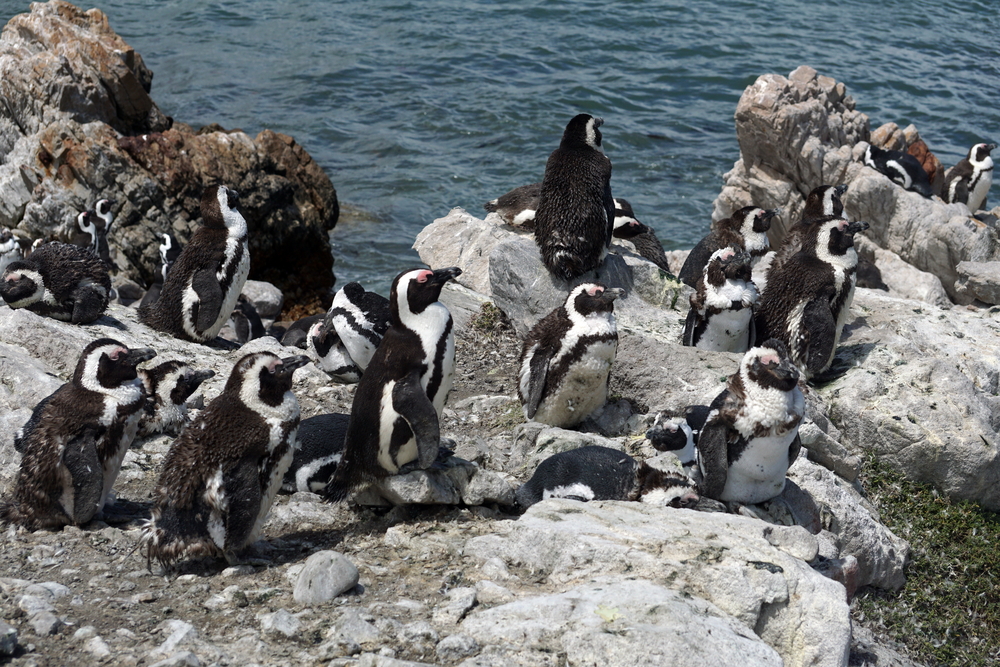
Penguins are at a higher risk of starvation during their molting stage. This happens once a year, when the penguins shed their feathers and regrow new ones. This process helps them stay insulated and waterproof. However, they need to stay on land while this happens, for about 21 days. So they fatten up beforehand in preparation for the weeks of fasting.
As Sherley explained: “They are evolved to build up fat and then to fast whilst their body metabolizes those reserves, and the protein in their muscles, to get them through molt. They then need to be able to regain body condition rapidly afterwards. So, essentially, if food is too hard to find before they molt or immediately afterwards, they will have insufficient reserves to survive the fast.” Bear in mind, colonies can survive the occasional poor breeding season if there are still high numbers of fertile adults. Their deaths severely jeopardize the species’ long-term survival.
The researchers didn’t see masses of dead penguins on land, so they believe they most likely starved while trying to fish. Because they couldn’t count carcasses, the scientists used long-term data from tagged birds to track survival rates. Additionally, they counted the number of breeding adults each year and compared them to previous records.
More Factors Threatening African Penguin Populations
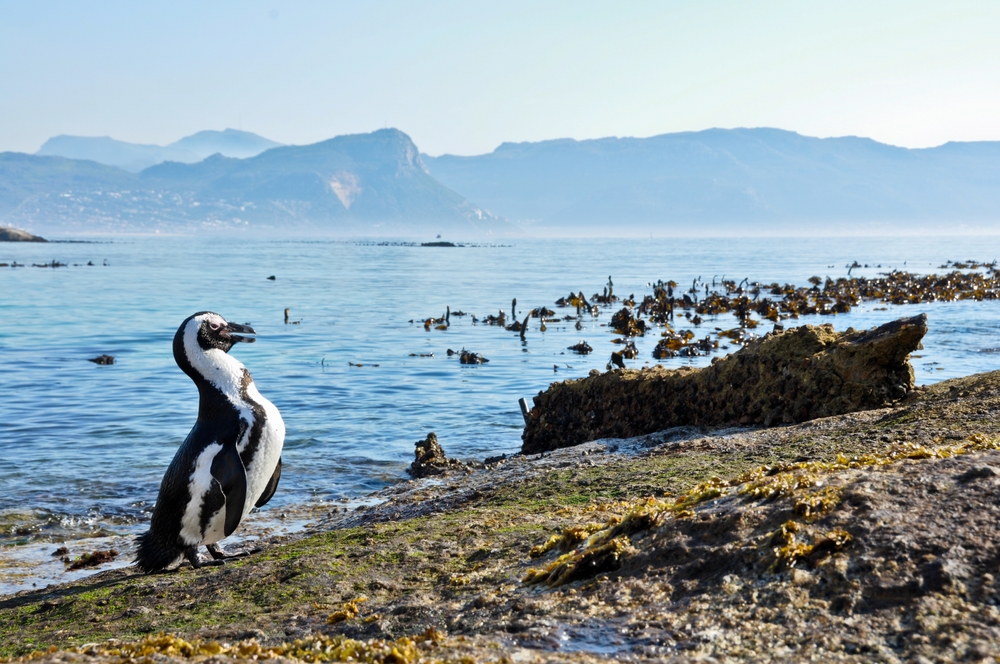
Image credit: Shutterstock
Sardines are at the center of the African penguin crisis, and they used to swim fairly close to the birds’ breeding grounds. These fish eat plankton and are also the prey of dolphins, seals, and other seabirds. During the research from 2004 to 2011, the sardine population stayed at less than a quarter of its previous spike, and did not increase. Predators had to swim longer and farther to find food, which puts all of them at a higher risk of starvation.
Increased marine heatwaves and changes in wind patterns have reduced the amount of nutrients to surface waters where sardines spawn. Alternatively, the spawning ground can be pushed into deeper waters and farther away from coastal plankton, their source of food. At the same time, commercial fishing didn’t account for the reduced population, and netted the same volume as previous years. Prime fishing zones often overlap where penguins forage. Between overfishing and a poor spawning success rate, the sardine population is unable to regrow.
Keep in mind, African penguins migrate to the same breeding sites every year, so fewer fish means longer and more exhausting trips to find food. Combined with a three-week-long fast, the chances of survival become bleaker. Unfortunately, food scarcity isn’t the only threat to this species, reports AZ Animals. Human activity, such as oil spills and guano mining, destroys habitats and kills multitudes of birds.
Efforts to Save African Penguins
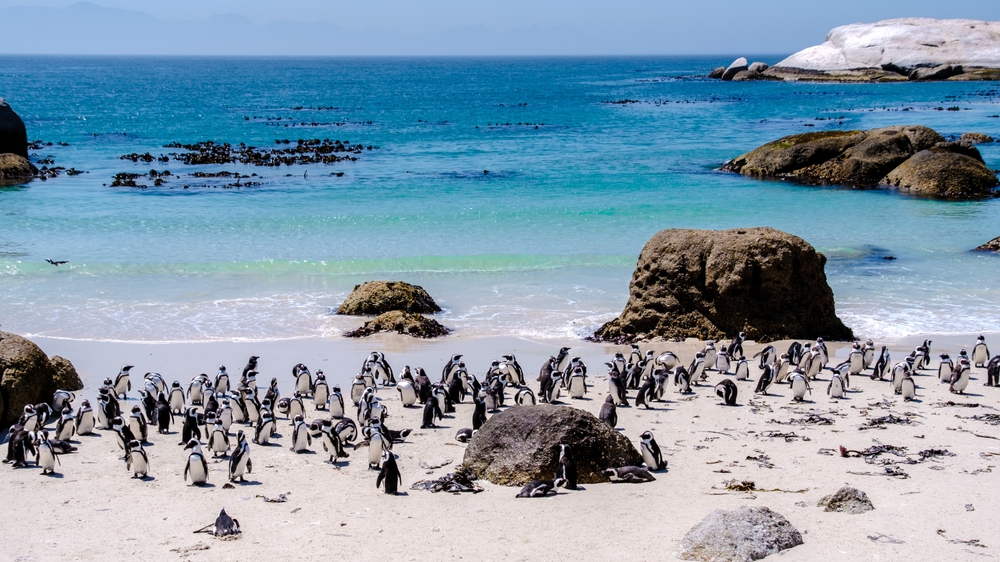
Image credit: Shutterstock
In September 2022, South Africa’s Department of Forestry, Fisheries, and the Environment limited commercial fishing for anchovies and sardines around major penguin colonies. This ban included areas around Dassen Island and Robben Island, where the study took place. “…The closures will be temporary to allow for an international scientific panel to be set up to review all related science output over recent years,” reads the department’s press release. “The review will advise the Department on the value of fishing limitations for penguins’ success, as well as the impacts such limitations will have on the fishing industry.”
However, conservation scientists maintained that the closures wouldn’t be enough to restore the African penguin population, especially since some of the listed areas aren’t inhabited by the penguins. BirdLife South Africa and SANCCOB (represented by the Biodiversity Law Centre) took the fisheries to court and won a settlement to widen these zones. Seabird Conservation Programme Manager Dr. Alistair McInnes explained the changes in an interview. “While we have made compromises by accepting the existing closures at Dassen and Dyer Islands to expedite the resolution of the matter, we are pleased that we have secured closures that safeguard the African Penguins’ foraging areas throughout their South African breeding range, and that serve to allow recovery of the species by promoting access to sardines and anchovies.”
Saving a Famous Species
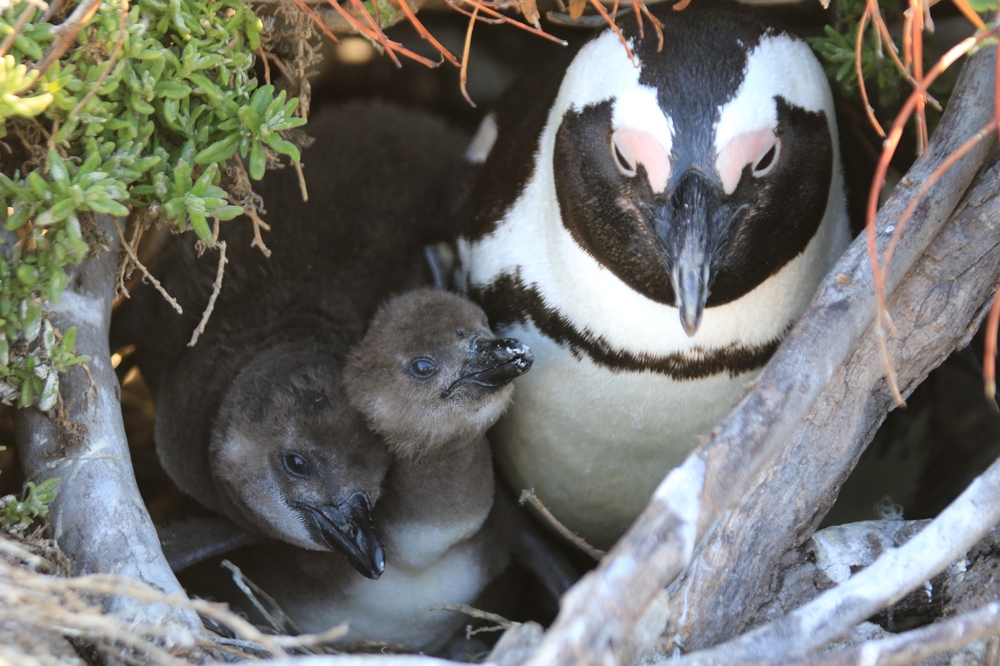
Penguins are beloved animals and a favorite of many. They often appear in popular films, nature documentaries, and viral social media posts featuring their cute waddle and heart-warming familial bonds. Unfortunately, their acclaim hasn’t spared them the adverse effects of environmental changes and human interference. It raises the question: what can happen to more obscure animals?
“Despite being well-known and studied, these penguins are still facing extinction, showing just how severe the damage to our ecosystems has become,” said Sherley to Mongabay last year. “If a species as iconic as the African penguin is struggling to survive, it raises the question of how many other species are disappearing without us even noticing. We need to act now, not just for penguins, but to protect the broader biodiversity that is crucial for the planet’s future.”
Read More: Climate Researchers Issue Warning After Disturbing Phenomena Discovered in US and Canada
Trending Products

Red Light Therapy for Body, 660nm 8...

M PAIN MANAGEMENT TECHNOLOGIES Red ...

Red Light Therapy for Body, Infrare...

Red Light Therapy Infrared Light Th...

Handheld Red Light Therapy with Sta...

Red Light Therapy Lamp 10-in-1 with...

Red Light Therapy for Face and Body...

Red Light Therapy Belt for Body, In...

Red Light Therapy for Shoulder Pain...
