
Sickle cell anemia can turn an ordinary day into an emergency. A blood vessel blocks, pain spikes fast, and plans vanish. Many people live with that uncertainty for years, yet they still work, study, raise families, and push through. Doctors have long wanted a cure that does not depend on a rare-matched donor. Now, gene therapy is offering a new option, and it is already in clinical use. In the U.S., the FDA approved two gene therapies for sickle cell disease in December 2023.
Both start with the patient’s own stem cells, then aim to produce red blood cells that resist sickling. The treatment path is demanding and includes chemotherapy, hospital care, and long follow-up. However, the payoff can be life-changing for selected patients. A widely reported case in New York brought fresh attention to what this approach can achieve. Regulators also require ongoing monitoring, because long-term risks still matter. Gene therapy is not a simple fix, yet it is one of the most serious shots at a cure Sickle Cell Anemia has seen in decades.
From crisis to calm
For years, Sebastien Beauzile lived with the unpredictability of sickle cell anemia. Doctors in New York said he became the first in the state to be cured. He described the change, stating, “Sickle cell was like a blockade for me, but now it’s just like a wall that I just jumped over.” He received Lyfgenia, an autologous gene therapy made from his own cells. The aim is straightforward in concept, yet complex in execution. Clinicians collect stem cells, modify them, and then return them after chemotherapy. If the new cells engraft well, they can produce red cells that resist sickling. That can mean fewer crises and less organ damage over time. Yet doctors also track outcomes carefully, since “cure” needs durable follow-up.
Beauzile also looked ahead to a normal routine again, with energy and confidence.“Amazing, and I can’t wait to get back to my day-to-day life because now I feel unstoppable,” he said. That kind of statement lands hard in sickle cell anemia care. Many patients plan around pain, ER visits, and missed school or work. Gene therapy changes the planning horizon, yet it also adds a demanding treatment window. It involves hospitalization, infection precautions, and recovery from conditioning chemotherapy. Therefore, the story is not only about the infusion day. It is also about months of blood count checks and long-term follow-up. Regulators now require ongoing studies to track safety and effectiveness. In other words, the early wins must hold up over the years.
Why blood cells sickle
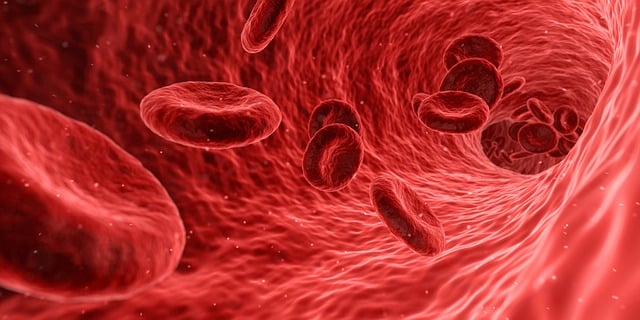
Sickle cell anemia starts with a mutation that alters hemoglobin inside red blood cells. Hemoglobin carries oxygen, so small molecular changes can cascade into whole-body problems. The red cells can become stiff, misshapen, and sticky. One clear description from the NIH says, “When red blood cells sickle, they do not bend or move easily and can block blood flow to the rest of the body.” Blocked flow means less oxygen reaches tissues that need it. It can also trigger inflammation and damage the blood vessel lining. Over time, that strain can harm organs, even between pain crises.
Pain crises often happen when sickled cells lodge in small vessels. The pain can be severe enough to require urgent care or hospitalization. However, the same blockage mechanism can also drive silent damage. Stroke risk rises, lung injury can occur, and kidney disease can progress. Infections also hit harder, especially in childhood, due to spleen damage. Standard medicines can reduce crisis frequency for many patients. Yet they may not fully prevent complications across a lifetime. That gap explains the drive toward curative approaches. Gene therapies aim to change the blood supply itself, so the sickling trigger drops. The target is not pain control alone. The target is sustained production of healthier red cells.
A life shortened
Sickle cell anemia is not rare in impact, even if it is a single-gene condition. The CDC states, “Sickle cell disease (SCD) affects about 100,000 people in the United States.” The same CDC page adds that life expectancy is more than 20 years shorter than average. Those numbers reflect more than biology. They also reflect gaps in access, delays in specialist care, and barriers in emergency settings. Many patients report stigma when they seek help for pain. Therefore, outcomes depend on both medical tools and health systems.
The burden is also global, and it concentrates in regions with historic malaria pressure. The World Health Organization reports, “In 2021, an estimated 7.74 million people were living with sickle-cell disease globally.” It also notes that the majority of cases occur in sub-Saharan Africa. In many settings, basic interventions still save the most lives. Early diagnosis, vaccination, and infection treatment can shift survival dramatically. Hydroxyurea also improves outcomes, yet access varies widely. Gene therapy offers a dramatic idea, but it is resource-heavy today. So the near-term reality is uneven. Some places need more newborn screening. Others now debate how to pay for one-time genetic medicines.
Old cure, hard limits
Before the new gene therapies, clinicians already had one curative route for sickle cell anemia. It was an allogeneic bone marrow transplant from a matched donor. NHLBI leader Dr. W. Keith Hoots put it bluntly: “No, right now the only curative strategy for sickle cell disease is a bone marrow transplant.” That option can work well for some children with ideal donors. Yet most patients do not have a suitable match. Even with a match, a transplant carries major risks. Graft-versus-host disease can harm the skin, gut, and liver. Infections can be life-threatening during immune suppression.
Gene therapy tries to keep the curative logic while removing the donor problem. It uses autologous cells, so rejection risk drops sharply. However, the process still resembles a transplant in key ways. Patients still undergo stem cell collection and intensive conditioning chemotherapy. That conditioning clears marrow space for the modified cells to take hold. Therefore, the new therapies do not avoid the hardest step. They change the source of the new marrow. For many families, that trade-off is still appealing. It can mean a one-time intervention instead of years of crises. Yet clinicians must still weigh fertility risk, infection risk, and long recovery time. The “old cure” taught the field what is possible. The new tools aim to make it more widely reachable.
How Lyfgenia works
Lyfgenia is an FDA-approved gene therapy for patients aged 12 and older with sickle cell anemia and prior vaso-occlusive events. It uses a lentiviral vector to add a modified hemoglobin gene into the patient’s stem cells. The FDA explains that the modified cells produce HbA(T87Q), which functions like normal adult hemoglobin. In a key trial pathway funded by Bluebird Bio, researchers reported strong reductions in severe crises. A New England Journal of Medicine trial abstract concluded, “One-time treatment with LentiGlobin resulted in sustained production of HbA(T87Q) in most red cells.” That matters because higher HbA(T87Q) levels reduce the fraction of cells that sickle. Less sickling means less blockage, less ischemia, and fewer cascading complications.
The FDA press announcement also summarized the approval dataset. In its review, 28 of 32 patients achieved complete resolution of vaso-occlusive events in a defined window. Yet the same announcement also stressed long-term monitoring. The biologic goal is durable, but biology can surprise after chemotherapy and viral vector insertion. Therefore, the therapy comes with careful eligibility screening and extensive follow-up. Patients need centers that can manage transplant-like care. That includes blood product support and rapid infection response. The therapy also needs logistics that small hospitals may not have. Manufacturing time, transport, and scheduling must align tightly. For families, that can mean travel and extended time away from work. Even with those barriers, Lyfgenia represents a new category. It offers a plausible path to sustained relief for some patients with severe sickle cell anemia.
CRISPR comes to the clinic

Casgevy is the other FDA-approved gene therapy for sickle cell anemia patients aged 12 and older with recurrent vaso-occlusive crises. It uses CRISPR/Cas9 editing, which is a different strategy than gene addition. Instead of inserting a new hemoglobin gene, the process edits a DNA control region. The goal is to increase fetal hemoglobin, which naturally resists sickling. In a phase 3 study sponsored by Vertex Pharmaceuticals and CRISPR Therapeutics, outcomes were striking. The study, published in The New England Journal of Medicine, states, “Treatment with exa-cel eliminated vaso-occlusive crises in 97% of patients.” The trial also reported no cancers during the follow-up window. However, it still required busulfan conditioning, so side effects clustered around chemotherapy and transplant recovery.
The FDA described the significance of the moment in its 2023 announcement. It noted Casgevy as the first FDA-approved treatment to use this form of genome editing. FDA official Nicole Verdun said, “Gene therapy holds the promise of delivering more targeted and effective treatments.” That line captures the aspiration, yet the current reality still relies heavily on clinical infrastructure. Patients must collect stem cells, then wait while labs edit and test them. They then receive conditioning chemotherapy, followed by infusion. After that, the edited cells must engraft and expand. Therefore, success depends on both molecular precision and solid clinical care. Casgevy also brings a new kind of long-term question. Gene editing aims to be exact, yet off-target risks remain part of safety evaluation. That is why labeling and monitoring requirements matter so much for sickle cell anemia patients considering CRISPR-based care.
Read More: Which Blood Type is The Rarest? Here Are The Least to Most Common Blood Types
Risks and follow-up
Gene therapy for sickle cell anemia is not a simple swap of bad blood for good blood. It is closer to rebuilding the blood system from scratch. Conditioning chemotherapy can cause mouth sores, low blood counts, and an increased risk of infection. It can also affect fertility, which many patients and families consider deeply. Long-term monitoring is also central, especially for therapies using viral vectors. Lyfgenia’s FDA label begins with a boxed warning: “WARNING: HEMATOLOGIC MALIGNANCY.” It adds that blood cancers have occurred in treated patients. The label also calls for close monitoring, including periodic blood counts. Therefore, the clinical commitment does not end after discharge. It extends across a lifetime of surveillance.
Casgevy has a different risk profile, yet it still carries serious cautions. Its label flags “Off-Target Genome Editing Risk,” even while noting that healthy donors and patients are monitored. It also lists prolonged time to platelet engraftment as a risk that requires close lab follow-up. Beyond labels, the FDA requires long-term studies for both products. The agency’s announcement said patients “will be followed in a long-term study to evaluate each product’s safety and effectiveness.” That line is not bureaucratic filler. It reflects the reality of first-generation cures. They may deliver huge benefits, yet rare late effects can appear slowly. Therefore, the best centers build registries, maintain contact, and track outcomes for years. For patients, informed consent must include both hope and hard specifics. The decision sits at the intersection of risk tolerance, disease severity, and access to experienced care teams.
Access, equity, next steps

Even if gene therapy can cure sickle cell anemia for some patients, access can still block the benefit. Treatment costs are high, and the care pathway is long. Patients may need to travel to specialized centers for collection, conditioning, and infusion. They may also need support for housing and time off work. That reality hits hardest in communities already burdened by healthcare inequity. In the U.S., the CDC notes that many people with SCD do not receive recommended screenings and treatments. So the starting line is uneven. The next step must include payment models, care navigation, and trust-building in emergency and primary care settings. Policy leaders have started building new structures for these therapies.
CMS wrote, “The Cell and Gene Therapy (CGT) Access Model seeks to test whether a CMS-led approach” can improve access and outcomes for Medicaid beneficiaries. The same factsheet also notes infertility risk in the care journey, and it discusses required coverage of certain fertility preservation services. That is a concrete example of planning for real-world barriers. Globally, WHO data show millions live with sickle-cell disease, mostly outside high-resource centers. Therefore, the future will likely be split into two tracks for a while. One track expands newborn screening, vaccines, and disease-modifying drugs. The other track builds scalable curative platforms with safer conditioning and simpler delivery. NHLBI’s Cure Sickle Cell Initiative frames the direction as “cures—plural—” to match patient diversity and age differences. Over time, better conditioning, faster manufacturing, and broader training could shrink today’s bottlenecks. Until then, sickle cell anemia gene therapy remains both a breakthrough and a demanding medical journey.
Disclaimer: This information is not intended to be a substitute for professional medical advice, diagnosis or treatment and is for information only. Always seek the advice of your physician or another qualified health provider with any questions about your medical condition and/or current medication. Do not disregard professional medical advice or delay seeking advice or treatment because of something you have read here.
A.I. Disclaimer: This article was created with AI assistance and edited by a human for accuracy and clarity.
Read More: Gene‑Edited Cell Transplant Enables Diabetic Patient to Produce His Own Insulin
Trending Products

Red Light Therapy for Body, 660nm 8...

M PAIN MANAGEMENT TECHNOLOGIES Red ...

Red Light Therapy for Body, Infrare...

Red Light Therapy Infrared Light Th...

Handheld Red Light Therapy with Sta...

Red Light Therapy Lamp 10-in-1 with...

Red Light Therapy for Face and Body...

Red Light Therapy Belt for Body, In...

Red Light Therapy for Shoulder Pain...
