
There is a growing trend amongst Gen Z’ers who are essentially “ditching modernity” and “returning to tradition” with technology. People in their teens and early 20’s are turning towards older tech to seemingly return to a simpler time. Amazon UK told the BBC that they recorded a surge in popularity for retro-themed products during their Black Friday event. Old school tech like Tamagotchis, disposable cameras, and portable vinyl players were amongst some of their top sellers during the Black Friday event.
However, this pivot of younger generations to older technology is not another trend. There is a growing movement amongst younger online users to detach from the online world. Ironically gaining traction on social media apps, this effort, put forward by Ava, who is U.K based, aims to combat the effects of “overconsumption of media.” She criticizes social media and apps have eroded society’s ability to make real-life or in-person social connections. Ava states that come January 1, 2026, she will be ditching her smartphone, canceling her streaming subscriptions, and deactivating her social media accounts. And she is not alone in her efforts.
Ironically, Ava created a TikTok account, @vioiliet_, to promote her movement. Initially, she did not expect anyone to engage with the content, but currently has 200,000 people pledging to join Ava in her efforts to ditch their smartphones next year. Research has demonstrated the negative impacts of social media, especially on younger users. While inconclusive, there is convincing evidence that social media and smartphones are dulling our ability to engage critically with our own lives.
“Overconsumption” Sparks the Switch
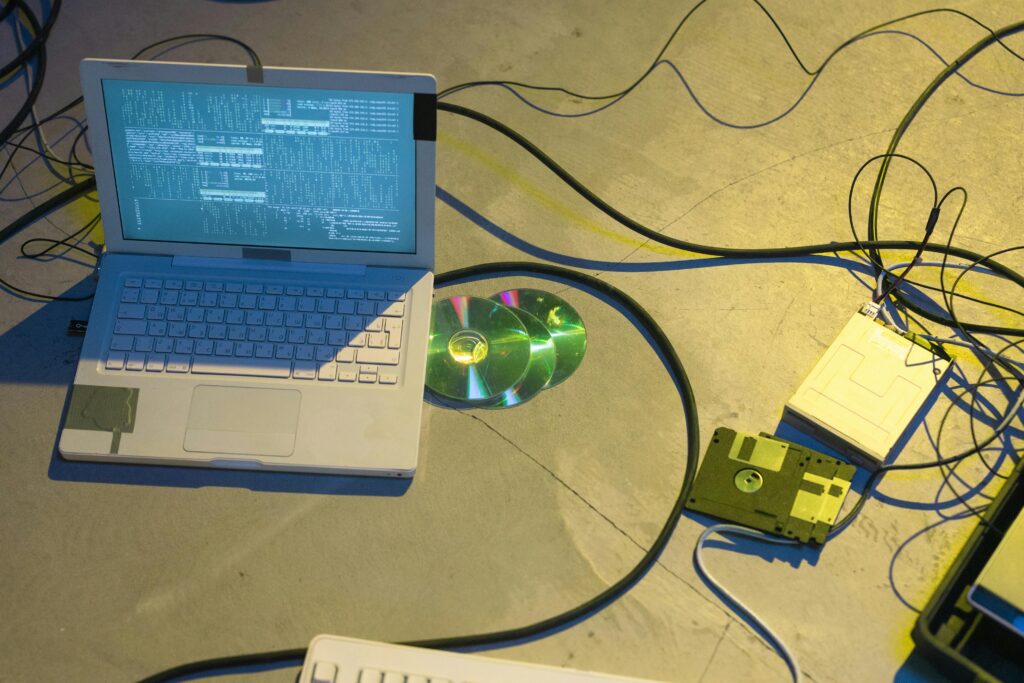
Ava’s efforts to reduce social media and media overconsumption work by replacing modern apps with retro tech, step by step. She encourages her followers to replace modern apps with older tech, such as flip phones (aka Dumbphones), DVDs, MP3 players, and disposable cameras. Ava created the TikTok account @vioiliet_, in which several of her videos have amassed hundreds of thousands of views. “I seriously didn’t expect anyone to be interested in my idea but it seems people are suffering from social media burn out already,” she said.
However, Ava clarifies that she does not hate technology itself, but rather how we currently use it. She argues that our current abuse of social media and media consumption does significantly more harm than good for society. “People are too focused on what other people across the world are saying,” she said, emphasizing society’s current obsession with global trends. She mentions the deteriorating quality of face-to-face socialization among young people. “They don’t make time to hang out with their friends because they can’t wait to start scrolling again,” she said.
Ava explained to Newsweek that her concerns lay mainly with our engagement with smartphones and their many apps have stifled our ability to foster genuine social connections. She cites social media as one of her primary reasons for starting the movement. She describes the interactions facilitated by modern platforms as draining and effectively “soulless.” Her evaluation found that people focus too much on global opinions rather than fostering IRL friendships.
She lamented that users were letting the apps govern their own opinions and made themselves self-critical. “Without that constant pressure, people could actually relax and find happiness again,” she said. This constant exposure to negative opinions prevents people from dressing or acting how they truly want. The fear of viral judgment keeps users trapped in a cycle of conformity.
“Right now, people are scared to dress how they want because they can instantly see thousands of negative opinions,” she said. Strangers across the world now hold influence over the daily choices of individuals they will never meet. “Without apps pushing those opinions at you, you naturally focus more on what you like,” she said. This return to local reality promotes a healthier sense of self-worth.
Ava believes that removing this access allows users to avoid much of the “misinformation and panic” she has encountered. She also believes that the removal of social media might encourage more creativity without constant pressure. She speculates that instead of doomscrolling, people might engage in other activities, become more social, and “basically rediscover real life.”
Mental Health Statistics Confirm “Alarming” Suspicions
Social media and smartphone apps are designed to constantly keep the user engaged on the platforms. Content that fosters the most engagement is usually content that triggers strong emotional reactions within the users, making them engage with the content. This constant exposure to the social media cycle drains the users emotionally and mentally. Certainly, there are mental health benefits that could result from reduced smartphone and social media use.
A 2023 study published in the journal Springer found links between excessive smartphone use and increased anxiety, higher stress levels, and reduced sleep quality. The Cybersmile Foundation published its annual Digital Wellbeing report for this year, exploring the impacts of social media on young users. The study asked 1000 participants, aged 16-24 in the UK, a series of questions related to the impact of social media on their mental health, self-worth, emotional, and physical well-being.
Key findings from the Digital Wellbeing report reveal that 87% of Gen Z admit that social media negatively affects their mental health overall. 83% claim these platforms make them feel pressured to fulfill unrealistic life expectations. The constant comparison dulls their ability to critically engage with their own self-worth and achievements. 85% feel unsatisfied when comparing themselves to others on these platforms.
32% percent of users report feeling social media fatigue, burnout, and overwhelming stress on a daily basis. This overreliance on digital tools has resulted in an environment where psychological distress becomes difficult to escape. The movement to switch back to old tech offers a solution to break this damaging cycle. It provides a physical barrier between the user and the source of their anxiety.
Gen Z Going Retro
Ava’s desire to detach from current technological trends is one that is widely shared. Gen Z, namely those in their teens and early 20s, are embracing retro-tech in an effort to detach from the online world. Retailers even confirmed this surge in popularity with retro products, as both Amazon UK and Retailers Currys and John Lewis noted an increase in sales during Black Friday. Retro items such as Tamagotchi, disposable cameras, and retro alarm clocks were amongst the most purchased items.
Ownership Outperforms Streaming
Another appeal of retro tech is ownership and physical media. Currently, streaming services like Netflix and Disney+ dominate the market, providing access to media via a subscription, but the user never owns the media. 17-year-old Declan, who prefers traditional media like DVDs as opposed to streaming subscriptions, explains: “If I lost access to streaming tomorrow, I’d still have my favourite movies ready to watch,” as having the DVDs is tangible media that can be replayed at any time. He grew up surrounded by his gran’s collection and later bought his own after visiting a shop.
“The main selling point for me is the cases,” he says regarding his growing library of films. “There’s something about really clean cases that I love.” He finds value in the tangible object that a digital file simply cannot provide. The act of organizing and displaying the collection brings a sense of pride.
“It’s nice to have something you own instead of paying for subscriptions all the time,” he notes. He admits DVDs are a dying way of watching movies, but argues that makes them cheaper. “I think they’re just cool, there’s something authentic about having DVDs,” he says.
Streaming services rely on algorithms to suggest content, taking the load of choosing away from the viewer. This results in a consumption pattern where users watch whatever plays next automatically. Declan argues that this causes a loss of appreciation for the art form itself. “These things are generations old; it’s nice to have them available,” he says.
Vinyl Users “Feel” the Music
Vinyl’s resurgence almost seems cyclical in popularity, becoming trendy again in 2010 within the ‘hipster’ culture trend. Back in 2010, vinyl purchases were made primarily for the novelty and nostalgic value. However, teens and young adults have begun collecting vinyls, not only as a novelty but as a form of ownership. Audio experts and audiophiles alike state that the audio quality of streaming services is far inferior to vinyl.
Saul, 20, has been an avid collector of vinyl since he was 16. With a new vinyl album costing approximately £35, Saul understands it is an expensive endeavour, but he finds it worth the cost. He believes that the grooves on the record make the sound feel more real and present. “It’s a more authentic sound,” he says regarding the difference in audio quality. “The grooves on the record make it feel real, you can hear the difference.” This group showed greater appreciation for the “hands-on experience” of placing the disc down.
“It’s about having something physical you can look at instead of just scrolling through your phone,” he says. For Saul, the appeal goes beyond sound quality and extends to the artwork itself. “You’ve got the actual cover art, and you put the disc down yourself,” he says. This interaction engages the senses in a way that a digital playlist simply cannot.
Saul admits that vinyl’s popularity might not last forever as trends come and go. “For a lot of people, I think vinyl is just a trend,” he says realistically. “It’s the same way things come and go, like different trends on social media.” However, he plans to keep collecting because he likes having the option to listen.
The Shift From Digital To Analog Images
While smartphone cameras have progressively improved to take high definition pictures, however some prefer the artistry that involves a physical camera. 21-year-old Aoibheann is an example of one of many Gen Zers with an affinity for photography, making the shift. She prefers the deliberate artistry of traditional cameras over the ease of her phone. She believes the quality is unmatched compared to the processed look of digital.
“There’s more pressure with film because you’re not going to see the photo straight away,” she explains. She describes this waiting period as the “novelty of it” that digital lacks. She takes her camera to birthdays and holidays to capture moments without distraction. This limitation forces the photographer to engage with the subject rather than the screen.
Aoibheann believes the appeal of traditional cameras runs deeper than aesthetics or trends. It is rooted in nostalgia, she says, connecting her to previous generations. “Many people are curious about the experience of using physical cameras because they grew up seeing their parents use them,” she says. This connection creates a sense of continuity that modern tech breaks.
“Gen Z enjoys the novelty of something we don’t usually have,” she explains. “It’s a break from phones and instant gratification.” Physical cameras are timeless because past generations relied on them effectively. “They’ll never go out of fashion because past generations relied on them,” she concludes.
Gamers Reliving “Addictive” Simplicity
Back in 2005, Sony launched their wildly successful handheld gaming console, the PlayStation Portable (PSP). Due to the development of gaming consoles and technologies, they were discontinued a decade later. However, there has also been a resurgence of younger generations, verging towards retro consoles and tech. Kyle, 21, purchased a PSP to reimagine nostalgic moments from his childhood and enjoy the simplicity. He also noted that with PSPs, no extra downloads or streaming subscription service is required to play the game, as is common with modern games. Conversely, the PSP is just plug and play – the physical game disc is inserted into the PSP and switched on.
“It was the first game console that I grew up with, it’s a weird feeling,” he says. “It feels retro.” Kyle admitted that the screen nor the buttons are not as good as they were before. “It’s a lot more unreliable, but that’s not the point,” he argues. The imperfection is part of the appeal for Kyle, and other similar users.
Kyle says he frequently uses his PSP, claiming to use it almost every day since his initial purchase. “I’ve been playing Need for Speed on my PSP,” he says. “It’s more addictive than any game I’ve got on my PS5.” Kyle acknowledges that the PSP resurgence could be seen as just another passing trend. “I feel like there’s definitely a performative aspect to it,” he says. “Almost like an accessory for some people.”
Experts Warn of “Developing Brains at Risk”
A 2025 research paper published in Health Promotion International noted the severity of misinformation spreading online. The study suggested that stopping the spreading of false information would require coordinated effort from multiple sources simultaneously. This includes limiting how quickly non-professionals can share unfounded claims to large audiences. Additionally, the research stressed the need for social media companies to take greater responsibility. However, Ava proposes a far simpler alternative to all this complexity. She believes the easiest solution is to simply disconnect from these platforms entirely.
Ava believes doing so would encourage greater “individuality” among the younger generation. “Right now, people are scared to dress how they want,” she says. “Without apps pushing those opinions at you, you naturally focus more on what you like.” This sentiment echoes the warnings of experts regarding social media pressure.
She also believes no more streaming or social media will encourage greater creativity. In 2010, a study in the American Journal of Preventive Medicine noted sedentary leisure time was linked to poor health. Ditching smartphones and streaming services with endless options would change that dynamic. “Instead of defaulting to scrolling, people might go and decorate their rooms,” Ava said.
The biggest challenge to many will be sticking with the switch to old tech. “For about a week, it’ll be a little difficult to do for sure,” she said. “Media won’t be completely gone, it’ll just help people evolve.” She believes this evolution is necessary to reduce the overconsumption that isn’t needed.
Environmental “Realities” of the Switch
The movement to switch back to old tech also addresses the environmental impact of constant upgrades and planned obsolescence. Manufacturing accounts for the vast majority of emissions associated with smartphone production. By choosing to use devices that already exist, users reduce their carbon footprint significantly. Using older technology effectively bypasses the need for energy-intensive data centers.
Smartphone manufacturing accounts for up to 90% of total emissions from the device’s lifecycle. Production emissions range from 40 to 80 kilograms of CO2 per phone. Distribution and shipping contribute another 2 to 6% of lifetime emissions. This heavy environmental cost is often hidden from the consumer at the point of purchase.
Mining lithium and cobalt for batteries damages ecosystems and depletes water supplies. One ton of lithium extraction requires approximately 2.2 million liters of water. This consumption affects local agriculture and drinking water for communities near mines. Choosing to use a 20-year-old flip phone negates the need for this extraction.
Every DVD played offline is one less file transmitted through massive server farms. This tangible reality makes the switch to old tech a sustainable choice for the planet. It reduces the strain on the energy grid and lowers the demand for new infrastructure.
Conclusion
Given that students and young adults extensively use smartphones for core daily tasks, these findings raise alarm bells. This digital reliance directly threatens developing minds and critical social abilities. Social connection offers a raft of health benefits, with the CDC noting it as an effective means of managing stress. While scientific studies on the long-term impact of this switch are still forthcoming, the risks of staying connected should not be understated. Exercise your brain; your memory might be dependent on it.
Read More: You Can (and Should) Delete Yourself From The Internet. Here’s How.
Trending Products

Red Light Therapy for Body, 660nm 8...

M PAIN MANAGEMENT TECHNOLOGIES Red ...

Red Light Therapy for Body, Infrare...

Red Light Therapy Infrared Light Th...

Handheld Red Light Therapy with Sta...

Red Light Therapy Lamp 10-in-1 with...

Red Light Therapy for Face and Body...

Red Light Therapy Belt for Body, In...

Red Light Therapy for Shoulder Pain...
