Dates and butter might look like a TikTok trend, yet the pairing carries a much older story. Across deserts and trading routes, people relied on dates for quick strength and on animal fats for staying power. Today, the same combination appears again, this time as a small bite that promises comfort and possibly deep nourishment. Modern nutrition research does not talk about “magic rituals.” It does, however, explain why dense natural sugars, minerals, fiber, and carefully used fats can support energy, repair, and recovery.
When people stuff soft Medjool dates with butter and a pinch of salt, they mix several of these elements in 1 concentrated mouthful. This article explores how dates and butter work together in the body. It looks at traditional use, nutrient profiles, blood sugar effects, gut health, and the limits you still need to respect. Every claim connects back to credible research, because the most helpful rituals combine meaning with solid physiology.
From desert staple to modern “ritual” snack
For centuries, dates anchored meals across the Middle East and North Africa. They travelled well, stored easily, and delivered reliable energy when food choices stayed limited. A review in Agricultural Water Management notes that “for centuries, dates have been a staple food in the Middle East and North Africa region.”That long history helps explain why many families still break the Ramadan fast with dates and a little rich food. The British Natural History Museum describes the date palm as a plant that “has been around for millions of years and holds scientific, religious and cultural importance around the world.” That cultural weight gives a small snack real emotional power.
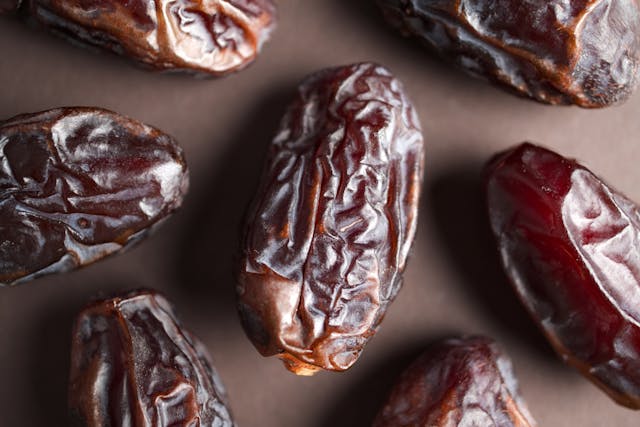
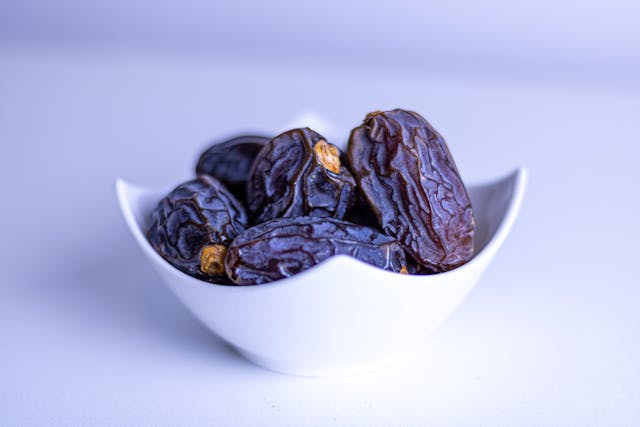
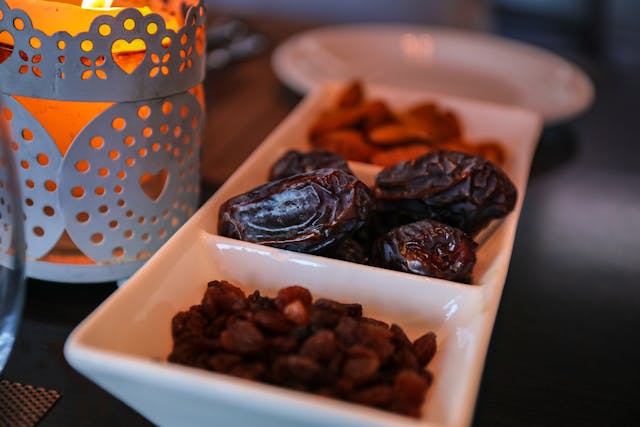
Pairing dates with butter fits comfortably into that story, because traditional cuisines already combine dates with ghee, cream, or other animal fats in special dishes. The current viral version mostly changes the serving style and the social media setting. In the viral ritual, people slice open a Medjool date, remove the pit, and press in a small piece of butter. Many use salted butter and sometimes a pinch of flaky salt on top. The combination tastes sweet, creamy, and slightly savory. Behind that simple bite sits a partnership between fast carbohydrate, mineral-rich fruit, and concentrated dairy fat. Understanding that partnership helps you choose whether this ritual belongs in your own routine.
What dates bring to deep nourishment

Image Credit: Pexels
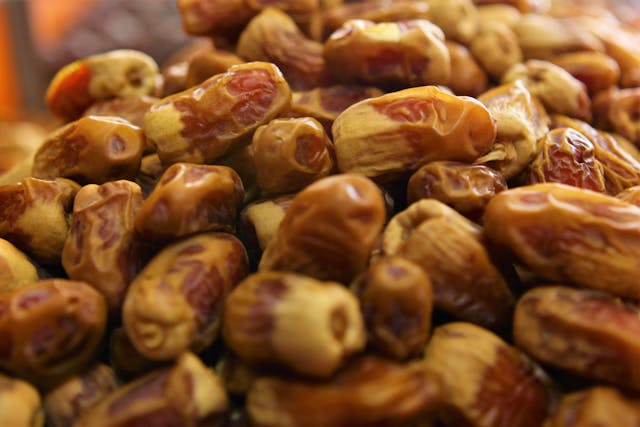
Dates count as dried fruit, but their nutrient profile stands out. According to FoodData Central from the United States Department of Agriculture, 100 g of Medjool dates contains 277 calories, around 75 g of carbohydrate, and 6.7 g of fiber. That same portion supplies about 696 mg of potassium, plus modest calcium and iron. These numbers explain why a few dates feel so substantial during a long day. Mineral content tells only part of the story. A widely cited review by Dr. M. A. Al Farsi and colleagues reports that “the consumption of 100 g of dates can provide over 15% of the recommended daily allowance” of several essential minerals and highlights that “dates are a good source of antioxidants, mainly carotenoids and phenolics.”
Those antioxidants help neutralise reactive molecules that accumulate during stress, intense training, or chronic inflammation. Over time, that support can protect tissues from oxidative damage. Dates also offer B vitamins, which help enzymes manage energy metabolism. A Healthline summary notes that just 2 Medjool dates provide measurable amounts of vitamin B6, copper, and magnesium, together with fiber. For someone who needs compact, portable calories with micronutrients included, that combination matters. When you add butter, you change the balance of energy sources, but you keep those minerals, vitamins, and polyphenols inside every bite.
Butter’s place in strength and repair
Butter enters this ritual as a dense source of fat and flavor. 1 tablespoon contains about 100 calories and roughly 7 g of saturated fat, according to analyses summarised by EatingWell. Butter also provides vitamin A and small amounts of other fat-soluble compounds that support immune function and tissue repair. Fat in general slows digestion, which can help stretch out the energy from a sugary food. However, concentrated saturated fat requires respect. The American Heart Association states that “for people who need to lower their cholesterol,” it recommends saturated fat below 6% of daily calories, which equals about 11 to 13 g for a 2,000-calorie intake.
That limit means 1 large spoonful of butter already takes a big share of the suggested daily maximum. Health agencies still advise replacing some saturated fat with unsaturated oils from plants and fish, which show stronger links with cardiovascular protection. So how can butter still fit inside a health-focused ritual? Cardiologist Dr. Dariush Mozaffarian explains in an interview that “butter can be enjoyed in small amounts, especially when paired with fiber-rich foods or herbs, as part of an overall healthy lifestyle.” A stuffed date does exactly that. It wraps a small piece of butter in a fiber-rich, antioxidant-rich package, which shifts the overall nutritional context in a favourable direction.
Blood sugar, energy, and the dates and butter pairing

Because dates taste extremely sweet, people often worry about blood sugar spikes. Yet controlled studies paint a more nuanced picture. A 2023 review by Dr. S. Meenakshi and colleagues reported that the glycemic index of date varieties usually ranges from about 43 to 75, with many common types falling in the low to medium category. The same review found no consistent worsening of glycemic control in people with type 2 diabetes who ate dates in realistic portions. Medical News Today summarised clinical findings and noted that “dates are a low GI food, with two servings constituting a medium GL” and concluded that they “should not cause dramatic blood sugar spikes when people eat them in moderation.” The key lies in portion size and meal context.
When you stuff a date with butter, you add fat, which slows stomach emptying and can further flatten the blood sugar curve. That effect does not erase the sugar load, but it changes how quickly glucose enters the bloodstream. For athletes or very active people, this combination can provide quick yet sustained fuel before a session. The natural glucose and fructose in dates absorb rapidly, while fat and fiber extend the energy release. Research on date use during Ramadan fasting describes dates as “a good source of rapid energy due to their high carbohydrate content,” with most carbohydrate coming from easily absorbed sugars. Adding butter to that tradition can suit people who tolerate dairy and want extra calories for heavy training or recovery.
Gut health, microbiota, and deep repair
Deep repair does not only involve muscles or visible tissues. The gut lining and resident microbes also play a central role in recovery, immunity, and long-term resilience. Dates provide substantial fiber, mostly insoluble, which adds bulk to stool and shortens transit time. The Al Farsi review describes dates as “high in dietary fiber,” with about 8 g per 100 g, and emphasises the predominance of insoluble fractions. That type of fiber helps keep bowel movements regular and may dilute potential toxins in the colon. Beyond simple bulk, dates show prebiotic properties. A human randomised crossover trial led by Dr. N. Eid at the University of Reading investigated daily date intake and found reduced markers of colon cancer risk.
The authors reported that “consumption of date fruit may reduce colon cancer risk without inducing changes in the microbiota.” More recent work by Dr. A. Alhomsi and colleagues highlights that dates promote the growth of helpful bacteria such as Bifidobacterium and Lactobacillus and increase short-chain fatty acid production, which supports intestinal barrier integrity. Butter joins this picture through its fat content and natural butyrate, a short-chain fatty acid that nourishes colon cells. Although clarified butter and high-fat dairy require moderation, small amounts can still contribute butyrate and help the gut absorb fat-soluble nutrients from plant foods. When the snack stays small, the fiber from dates and the richness of butter can interact in a way that supports gut comfort, not heaviness.
Read More: Healing Leaves: 10 Leaves With Powerful Medicinal Value
Micronutrients for hormones, nerves, and sleep
Many people reach for dates and butter in the evening, framing the snack as a comforting ritual that prepares the body for rest. Some of that comfort may be linked to micronutrients. Dates provide potassium and magnesium, which support nerve signalling and muscle relaxation. News Medical notes that “dates are a good source of potassium, magnesium, copper, and selenium,” with about 15% of daily needs for these minerals in a 100 g portion. Potassium helps manage blood pressure, while magnesium participates in hundreds of enzymatic reactions, including those that govern stress responses. Butter contributes vitamin A, some vitamin D, and vitamin K2, especially when it comes from pasture-raised cows.
These vitamins support hormone production, bone health, and immune balance. Martha Stewart Living recently quoted dietitian Olivia Holtzer, who explained that potassium in dates “helps regulate blood pressure, a marker of cardiovascular health,” while the fiber in dates binds LDL cholesterol during digestion. When you add a small piece of butter, you combine those minerals and fibers with fat-soluble vitamins that depend on dietary fat for absorption. This partnership may suit people who struggle with appetite or under-eating. A single stuffed date delivers a meaningful energy boost with minerals and vitamins compactly arranged. It can also help someone who needs extra calories during recovery from illness, when large meals feel overwhelming. Used thoughtfully, the ritual moves beyond pure indulgence and becomes a targeted tool for rebuilding reserves.
What nutrition experts say about dates and butter
When the butter-stuffed date trend exploded online, journalists asked nutritionists for their view. In Newsweek, registered dietitian nutritionist Lauren Manaker described the viral snack as “delicious and wonderful,” while also pointing out that its health impact depends on frequency and portion size. Her main message highlighted context. A few dates with butter can support a healthy pattern of eating, especially if most other meals focus on whole foods and unsaturated fats. Other experts echo this nuanced position. EatingWell quoted cardiologist Dariush Mozaffarian, who said that butter is “not a health food, but it is also not poison,” and again stressed overall diet quality.
Public health groups continue to advise keeping saturated fat in check while building meals around plants, seafood, and minimally processed staples. Within that bigger picture, a ritual involving 1 or 2 butter-stuffed dates after a meal can fit comfortably for many people. The most important point concerns honesty. A stuffed date still counts as dessert, not medicine. Someone who already eats many foods rich in saturated fat, or who lives with very high LDL cholesterol, should probably focus first on olive oil, nuts, and seeds for daily fats. However, when a person mostly eats heart-healthy foods and keeps portions sensible, the dates and butter ritual offers a way to enjoy sweetness with genuine nourishment included.
Who should be careful with dates and butter
Dates and butter do not suit every situation. People with diabetes or insulin resistance need to manage carbohydrate load carefully. The Meenakshi review shows that dates usually produce moderate glycemic responses, yet it still notes a glycemic index range that can reach into the 70s for some varieties. Verywell Health points out that certain high-sugar fruits, including dates, can trigger significant blood sugar rises when eaten in large quantities. For people who live with cardiovascular disease, saturated fat remains a central concern. Fact sheets supporting the United States Dietary Guidelines state that “limiting saturated fat in your eating routine can help you stay healthy,” and advise replacing some of that fat with unsaturated oils.
Someone who already eats cheese, processed meats, and rich desserts on most days probably gains little by adding extra butter, even inside dates. In that case, plain dates with nuts or tahini may offer a better daily choice. Allergy and intolerance also matter. Anyone with lactose intolerance or a dairy allergy should avoid regular butter and consider clarified ghee or plant-based spreads under professional guidance. People with chronic kidney disease need to track potassium intake, since dates supply significant amounts. Speaking with a registered dietitian helps personalise these decisions. A professional can adjust serving sizes and frequency so that the snack suits individual health goals, instead of working against them.
Turning the trend into a supportive ritual
Used with intention, the dates and butter ritual can bridge pleasure and self-care. It offers a moment to pause, breathe, and provide the body with compact energy and micronutrients. Research on date fruits summarised by Al Farsi and by more recent authors paints a consistent picture. Dates deliver fiber, antioxidants, and essential minerals that support cardiovascular, digestive, and neurological health when eaten in moderate amounts. At the same time, science-based guidelines about fat intake remain clear. Groups such as the American Heart Association continue to encourage people to cap saturated fat at around 6% of calories and to favour unsaturated fats most of the time.
Within that framework, a small number of butter-stuffed dates can function like a ceremonial dessert, enjoyed slowly after a balanced meal. The fiber and minerals from dates partner with the richness of butter, which helps you feel satisfied with 1 or 2 pieces. You can honour both tradition and physiology with a few simple steps. Choose high-quality dates, preferably Medjool or another soft variety. Use a small amount of good butter, not a thick slab, and consider your other saturated fat sources that day. Then sit down, taste each bite fully, and let the snack mark a transition into rest or recovery. The ritual does not replace sound nutrition, sleep, or movement. It simply becomes one small, pleasurable tool among many that help your body repair deeply and stay strong over time.
Disclaimer: This information is not intended to be a substitute for professional medical advice, diagnosis, or treatment and is for informational and educational purposes only, including simple historical exploration of traditional practices and medicines. Always seek the advice of your physician or another qualified health provider with any questions about your medical condition and/or current medication. Do not disregard professional medical advice or delay seeking advice or treatment because of something you have read here.
AI Disclaimer: This article was created with AI assistance and edited by a human for accuracy and clarity.
Read More: When Fruit Became The Poison: The Story of Two Women On A Fruit-Only Diet
Trending Products

Red Light Therapy for Body, 660nm 8...

M PAIN MANAGEMENT TECHNOLOGIES Red ...

Red Light Therapy for Body, Infrare...

Red Light Therapy Infrared Light Th...

Handheld Red Light Therapy with Sta...

Red Light Therapy Lamp 10-in-1 with...

Red Light Therapy for Face and Body...

Red Light Therapy Belt for Body, In...

Red Light Therapy for Shoulder Pain...
