
An epidemic of falls among older adults is a growing public health concern. This is especially given the tragic increase in fall-related deaths. While many factors contribute to this issue, a recent study in the JAMA Health Forum brought to light a significant and often overlooked cause: risky medication prescribing. Certain medications for many common ailments can dramatically increase an older person’s risk of falling. Understanding which medicines pose a risk is the first step toward preventing these dangerous accidents.
Why Falls Are So Dangerous

We all trip and fall sometimes, but for older adults, falling is often not a benign event. For those over 65, it is the leading cause of fatal and non-fatal injuries. A fall can lead to serious injuries, such as hip fractures and traumatic brain injuries, which often require hospitalization and may result in a significant loss of independence. In addition to physical harm, the fear of falling can cause older adults to limit their activities, leading to a sedentary lifestyle, social isolation, and a decline in physical fitness. Ironically, this increases their risk of future falls. The combination of fragile bones (due to conditions like osteoporosis) and the potential for severe injury makes a fall a much more dangerous event for an older person than for a younger one.
Medications That Increase Fall Risk
The study, called Risky Prescribing and the Epidemic of Deaths from Falls highlights several classes of medications that the researchers identified as contributing to the problem. These drugs often have side effects that can affect balance, coordination, alertness, and blood pressure. It is important for older adults and those who care for them to be aware of this and to have dialogue with their doctor about risk and alternatives.
Benzodiazepines and Other Hypnosedatives
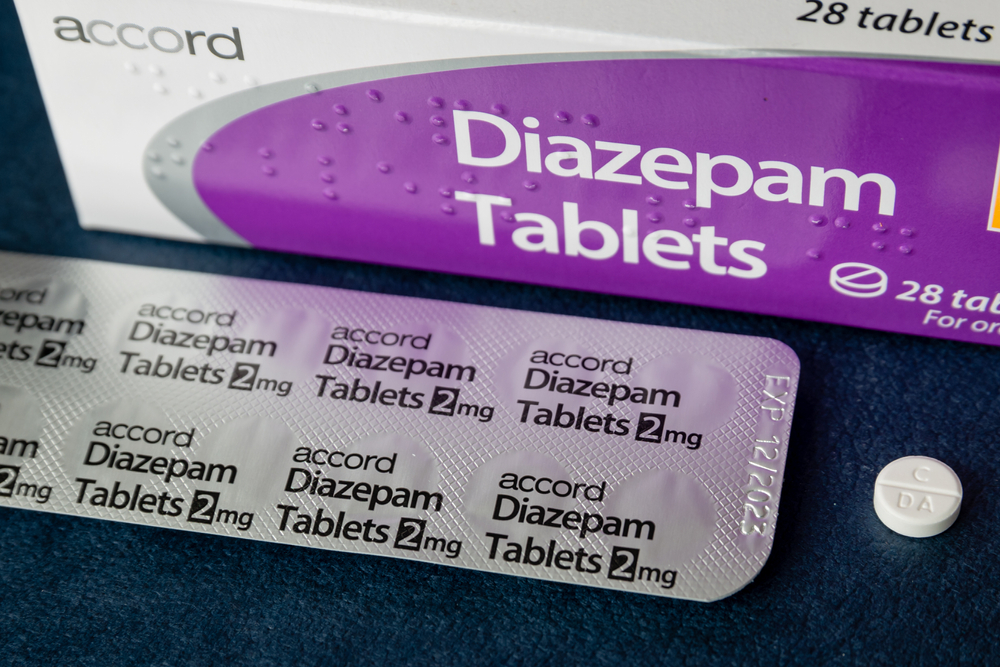
These drugs are used to treat anxiety and sleeping disorders. They work by slowing down the central nervous system, which can lead to dizziness, drowsiness, and impaired coordination. The risk of falling is particularly high when a new prescription is started or with long-term use. Common examples of these medications include:
- Valium (diazepam)
- Xanax (alprazolam)
- Ativan (lorazepam)
- Ambien (zolpidem)
- Lunesta (eszopiclone)
Antidepressants

Used to treat depression and anxiety, some antidepressants can increase fall risk due to their sedative side effects. Taking more than one antidepressant or combining them with other sedating medications can further elevate this risk. Common examples include:
- Prozac (fluoxetine)
- Zoloft (sertraline)
- Lexapro (escitalopram)
- Cymbalta (duloxetine)
- Elavil (amitriptyline)
Antipsychotics
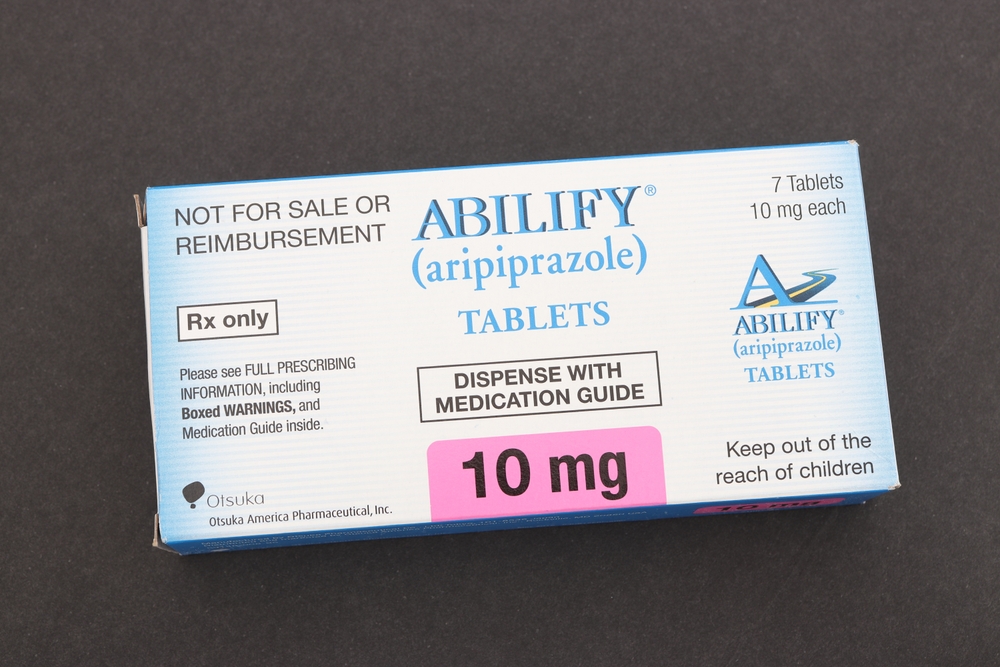
These medications are prescribed for conditions such as schizophrenia and bipolar disorder. They can cause orthostatic hypotension (OH), a sudden drop in blood pressure when standing up, which can lead to lightheadedness and fainting. This side effect directly increases the risk of falling. More research is needed to fully understand the connection, but the risk is a well-known concern. Common examples include:
- Abilify(aripiprazole)
- Zyprexa (olanzapine)
- Seroquel (quetiapine)
- Risperdal (risperidone)
Antiepileptics

Also known as anti-seizure medications, these drugs can increase fall risk because of their sedative side effects. They can cause dizziness and grogginess, which may impair balance. A particularly dangerous side effect of some antiepileptics is that they may cause bone thinning, increasing the risk of serious fractures in the event of a fall. Common examples include:
- Neurontin (gabapentin)
- Tegretol (carbamazepine)
- Dilantin (phenytoin)
- Keppra (levetiracetam)
Muscle Relaxants

Prescribed for muscle spasms and pain, muscle relaxants have strong sedative effects that can lead to dizziness and a higher risk of falls. Of the drugs in this class, baclofen is associated with the highest fall risk. Common examples include:
- Flexeril (cyclobenzaprine)
- Soma (carisoprodol)
- Robaxin (methocarbamol)
Nonsteroidal Anti-inflammatory Drugs (NSAIDs)
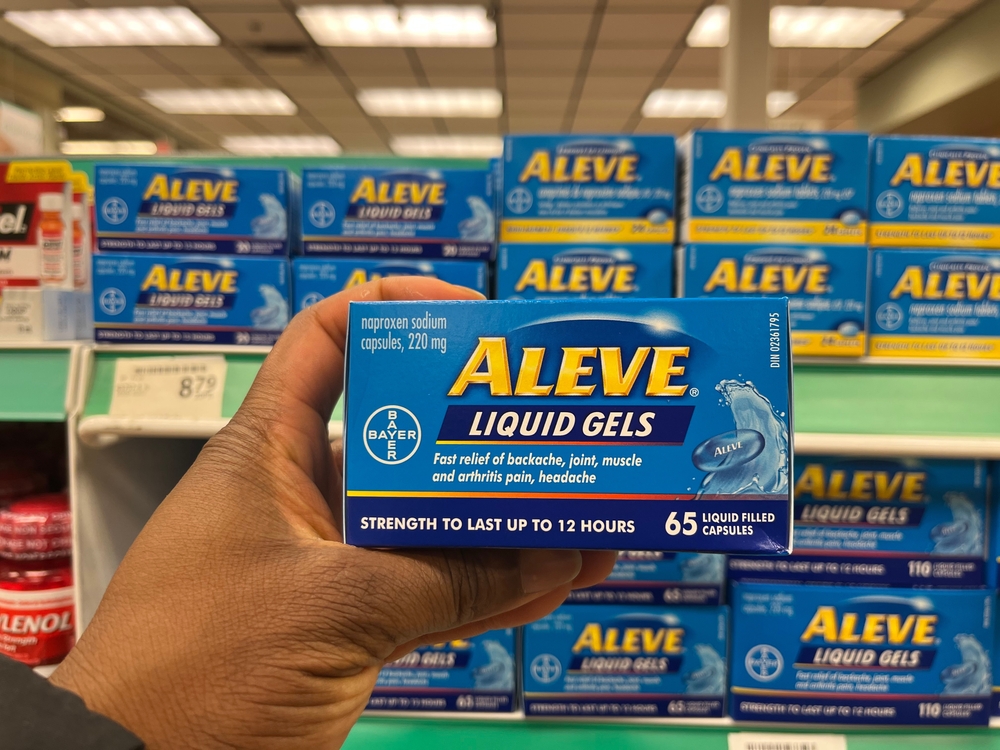
Commonly used to treat pain and inflammation, NSAIDs can affect blood pressure, which may increase the risk of falls in older adults. While many NSAIDs are available over the counter, they are not without risk. Common examples include:
- Aleve (naproxen sodium)
- Advil (ibuprofen)
- Motrin (ibuprofen)
- Celebrex (celecoxib)
Opioids
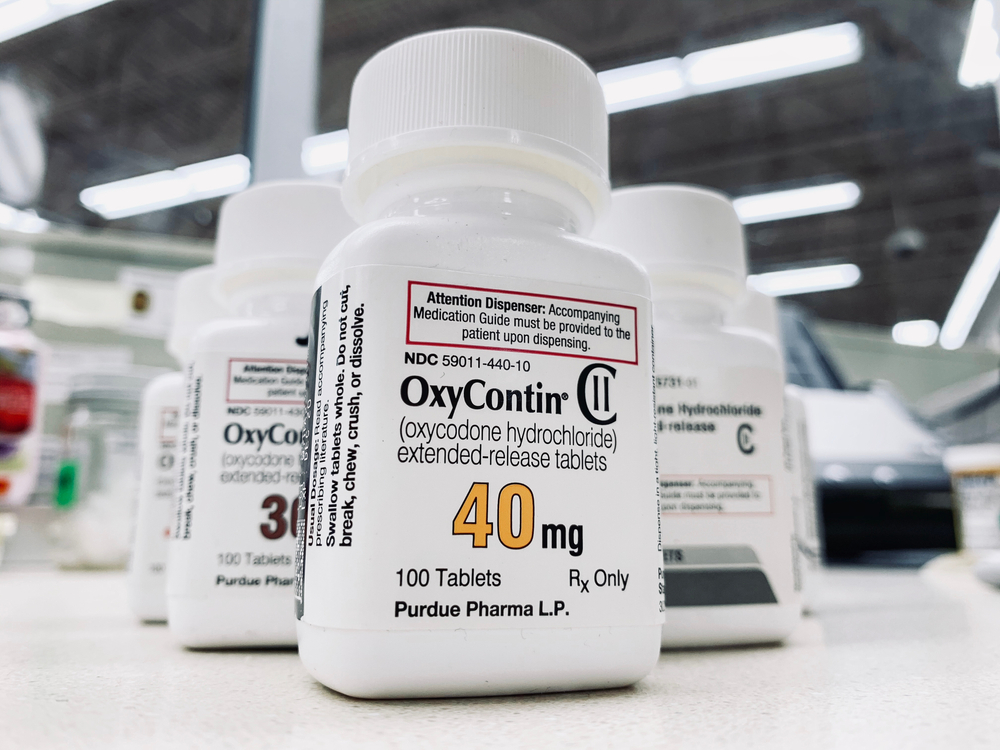
Opioids are powerful pain relievers that can cause sedation, dizziness, and mental confusion, all of which increase the likelihood of a fall. This risk is especially high with strong doses or when multiple medications are taken together. Common examples include:
- OxyContin (oxycodone)
- Vicodin (hydrocodone/acetaminophen)
- Demerol (meperidine)
What Can You Do About It?

Awareness is the first step toward prevention. If you or a loved one are an older adult taking one of these medications, here is what you should do:
- Talk to your doctor or pharmacist. Discuss your risk of falling with them, bring a list of all of your medications, including over-the-counter drugs and supplements, to every appointment, and ask if any of them could be contributing to your risk.
- Review your medications. Never stop taking a prescribed medication without first talking to your doctor. Your healthcare provider may be able to adjust the dosage, change the time you take the medication, or switch you to a different drug with fewer side effects.
- Explore non-pharmacological alternatives. For conditions like pain or insomnia, consider non-drug treatments, such as physical therapy, exercise, or cognitive-behavioral therapy.
- Address other risk factors. Simple changes at home can make a big difference. Make sure your home is well-lit, and remove tripping hazards like loose rugs and clutter. Consider adding grab bars in the bathroom and handrails on stairs. Regular exercise to improve strength and balance, such as tai chi, is also a highly effective way to prevent falls.
The Bottom Line
Falling for older adults is a serious risk to their health and longevity. It is important that, as you age, you do everything you can to reduce your risk of falling, and in the event that you do, reduce your risk of serious injuries. This includes taking steps now to ensure you are strong, stable, and have healthy bone density. This also includes reviewing your medications and ensuring that you aren’t taking anything that may be detrimental to your bone health or fall risk. Don’t wait for a fall, speak with your health care provider now to stay firm on your feet.
Disclaimer: This information is not intended to be a substitute for professional medical advice, diagnosis or treatment and is for information only. Always seek the advice of your physician or another qualified health provider with any questions about your medical condition and/or current medication. Do not disregard professional medical advice or delay seeking advice or treatment because of something you have read here.
Read More: Fact-Check: Can Popular Heartburn Drugs Really Cause Heart Attacks?
Trending Products

Red Light Therapy for Body, 660nm 8...

M PAIN MANAGEMENT TECHNOLOGIES Red ...

Red Light Therapy for Body, Infrare...

Red Light Therapy Infrared Light Th...

Handheld Red Light Therapy with Sta...

Red Light Therapy Lamp 10-in-1 with...

Red Light Therapy for Face and Body...

Red Light Therapy Belt for Body, In...

Red Light Therapy for Shoulder Pain...
